
 EN
EN English
 Español
 عربى
عربى русский
An air conditioner compressor works by compressing low-pressure refrigerant gas into a high-pressure, high-temperature gas, which then travels through the refrigeration cycle to absorb heat from indoors and release it outside — effectively moving heat rather than generating cold air. The compressor is the mechanical heart of every air conditioning system, consuming the majority of the unit's electrical energy and directly determining the system's cooling capacity, efficiency, and lifespan. Understanding how a compressor works helps homeowners and technicians diagnose problems, optimize performance, and make informed decisions about maintenance and replacement.
Content
- 1 The Role of the Compressor in the Air Conditioning Refrigeration Cycle
- 2 How Does the Compressor Actually Compress Refrigerant?
- 3 Types of Air Conditioner Compressors and How Each Works
- 4 Compressor Type Comparison: Which Is Best for Your Application?
- 5 Key Components Inside an Air Conditioner Compressor
- 6 Signs of a Failing Air Conditioner Compressor
- 7 Compressor Repair vs. Replacement: When to Choose Each
- 8 How to Extend the Life of Your Air Conditioner Compressor
- 9 Frequently Asked Questions About Air Conditioner Compressors
- 9.1 Q1: How long should an air conditioner compressor last?
- 9.2 Q2: Can I replace just the compressor without replacing the whole air conditioning system?
- 9.3 Q3: Why does my air conditioner compressor make a loud noise when it starts?
- 9.4 Q4: What is the difference between a fixed-speed and an inverter compressor?
- 9.5 Q5: What refrigerant does my air conditioner compressor use, and does it matter?
- 9.6 Q6: How much electricity does an air conditioner compressor use?
- 9.7 Q7: Can low refrigerant damage the compressor?
- 10 Summary: How a Compressor Works in an Air Conditioner
The Role of the Compressor in the Air Conditioning Refrigeration Cycle
The compressor is the engine that drives the entire refrigeration cycle — without it, no heat transfer occurs and the air conditioner produces no cooling effect whatsoever. To understand how the compressor works, it helps to first understand its place within the four-stage refrigeration cycle that every vapor-compression air conditioner uses:
- Stage 1 — Evaporation (Indoors): Low-pressure liquid refrigerant enters the indoor evaporator coil and absorbs heat from the indoor air, evaporating into a low-pressure gas. The indoor air blows over the cold coil, loses its heat to the refrigerant, and returns to the room as cooled air.
- Stage 2 — Compression: The low-pressure refrigerant gas travels to the compressor, which raises its pressure and temperature dramatically — this is where the compressor performs its core function.
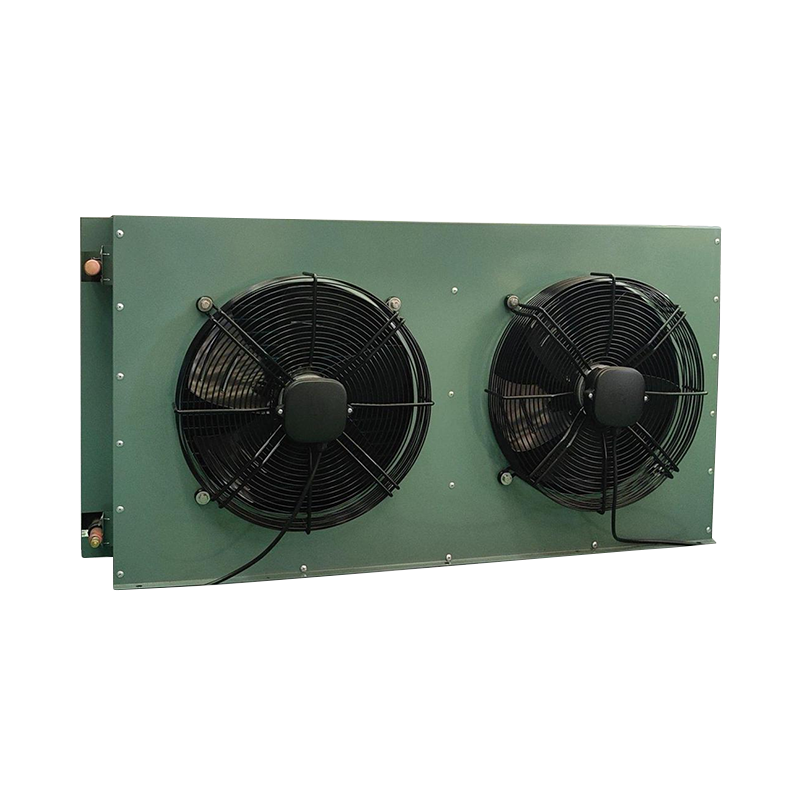
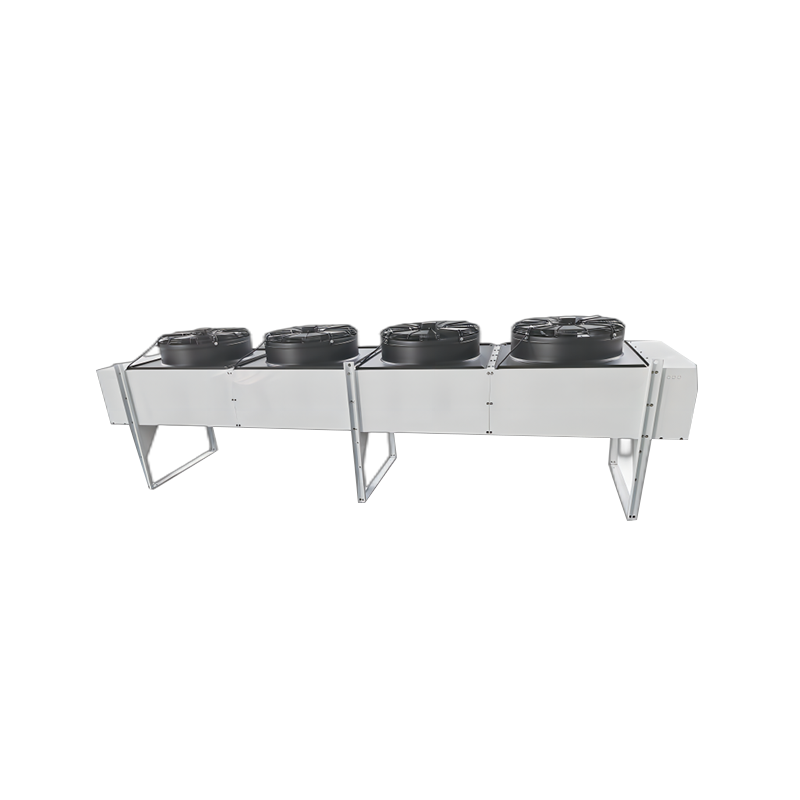
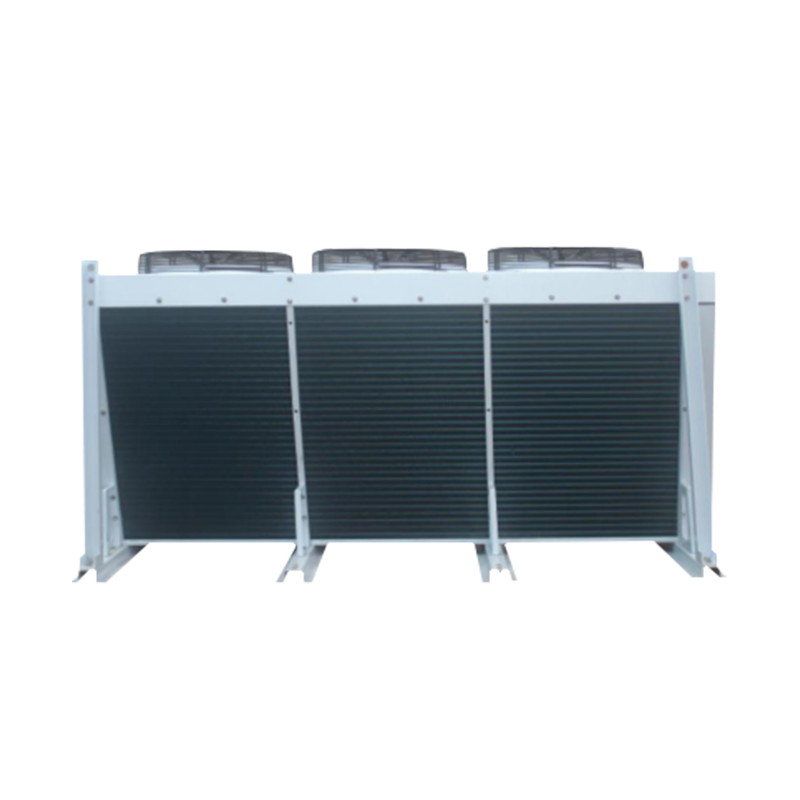
- Stage 3 — Condensation (Outdoors): The hot, high-pressure refrigerant gas moves to the outdoor condenser coil, where a fan blows ambient air over the coil. The refrigerant releases its heat to the outside air and condenses back into a high-pressure liquid.
- Stage 4 — Expansion: The high-pressure liquid refrigerant passes through an expansion valve or orifice tube, which rapidly drops its pressure and temperature, converting it back into a cold, low-pressure liquid ready to re-enter the evaporator coil and repeat the cycle.
The compressor sits between Stage 1 and Stage 3 — it is the pump that maintains the pressure differential across the entire system. Without the compressor raising the refrigerant's pressure and temperature, the refrigerant would not be hot enough to release its absorbed heat to the outdoor air, and the cycle would stop. In a typical residential split-system air conditioner, the compressor consumes between 1,000 and 4,000 watts of electrical power — representing 60% to 80% of the unit's total energy consumption.
How Does the Compressor Actually Compress Refrigerant?
The compressor compresses refrigerant gas by mechanically reducing the volume of the gas, which simultaneously raises both its pressure and its temperature in accordance with the ideal gas law. When a gas is compressed into a smaller volume, the molecules are forced closer together, collide more frequently, and generate more heat — a phenomenon described by the relationship PV = nRT (pressure × volume = moles × gas constant × temperature).
In practical terms, a typical residential air conditioner compressor takes refrigerant gas at a suction pressure of approximately 70 to 100 PSI and a temperature of around 45°F to 55°F (7°C to 13°C), and discharges it at a discharge pressure of 200 to 400 PSI and a temperature of 130°F to 170°F (54°C to 77°C). This dramatic increase in both pressure and temperature is what enables the refrigerant to shed its heat to the outdoor air in the condenser coil — because heat always flows from hotter to cooler, and the compressed refrigerant is now significantly hotter than the outside air.
The mechanical means by which different compressor designs achieve this compression vary significantly, which is why selecting the right compressor type for a given application has important implications for efficiency, noise, reliability, and cost.
Types of Air Conditioner Compressors and How Each Works
There are five main types of compressors used in air conditioning systems, each using a different mechanical mechanism to compress refrigerant gas. The most common in residential and light commercial applications are reciprocating, scroll, and rotary compressors, while centrifugal and screw compressors are used in large commercial and industrial systems.
1. Reciprocating (Piston) Compressor
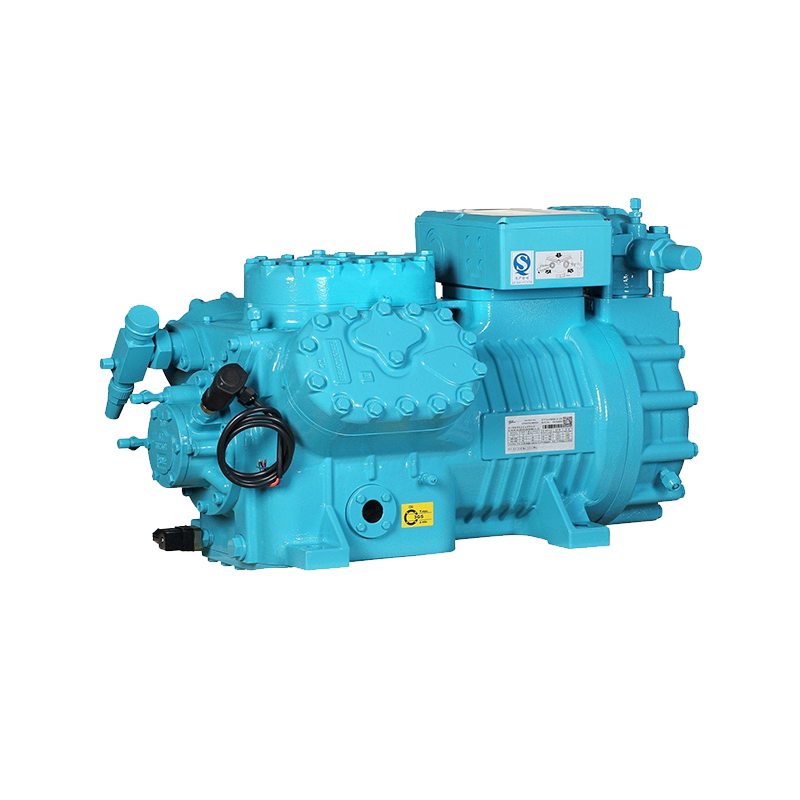
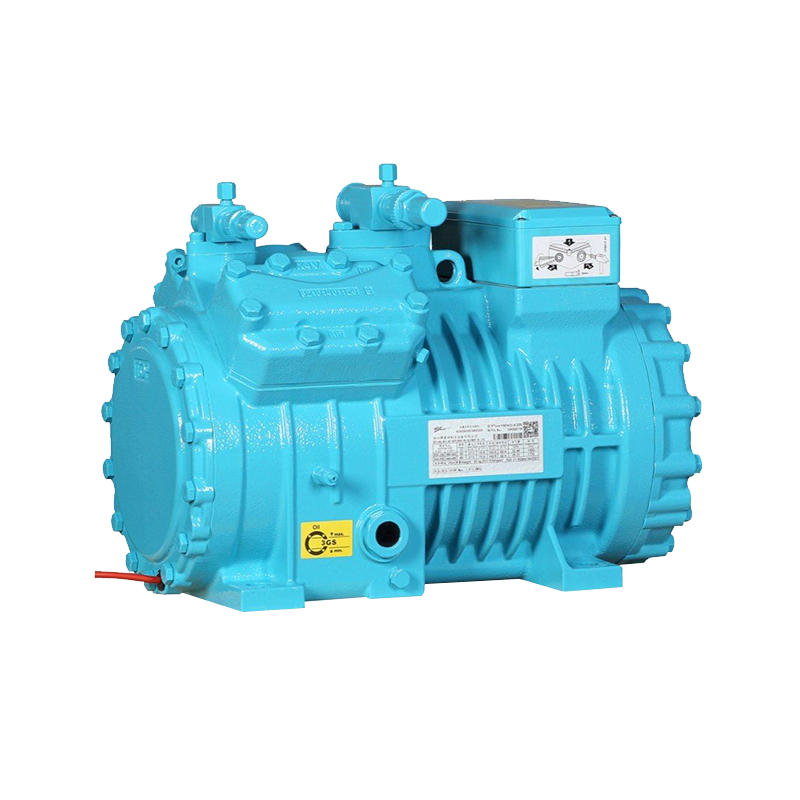
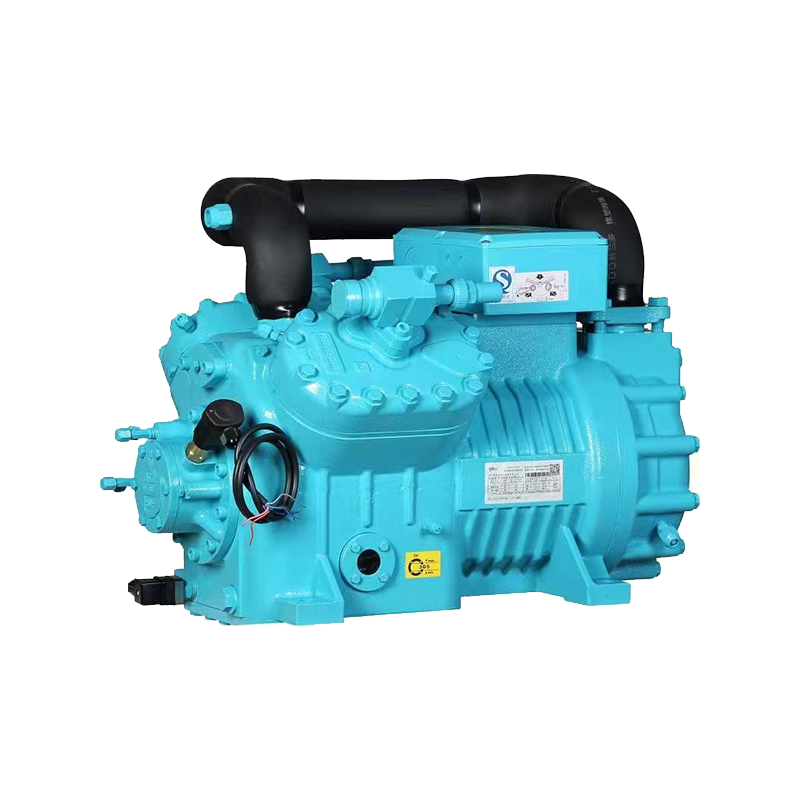
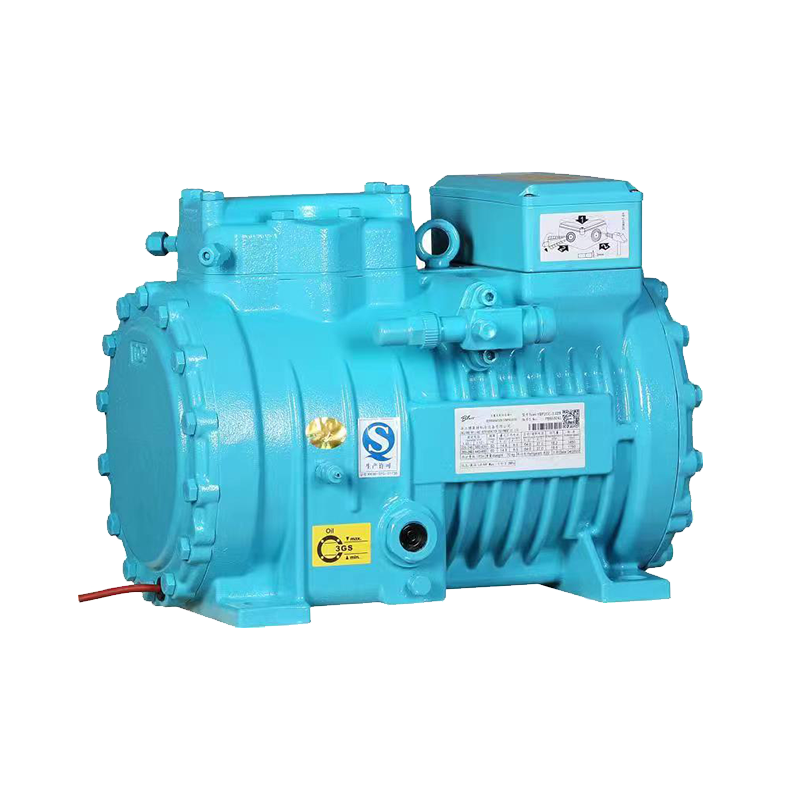
A reciprocating compressor uses one or more pistons driven by a crankshaft to compress refrigerant gas in a cylinder — the same operating principle as a car engine, but running in reverse of the power-generation process. On the intake stroke, the piston moves downward, drawing low-pressure refrigerant gas into the cylinder through the suction valve. On the compression stroke, the piston moves upward, closing the suction valve and compressing the trapped gas until the pressure is high enough to open the discharge valve, pushing the hot, high-pressure gas out to the condenser.
Reciprocating compressors are robust, well-understood, and can achieve high compression ratios. However, they have more moving parts than scroll or rotary alternatives, are noisier due to the reciprocating piston motion, and are less energy-efficient at part-load conditions. They remain common in older residential systems and in applications where simplicity and repairability are prioritized.
2. Scroll Compressor
A scroll compressor uses two interlocking spiral-shaped scrolls — one fixed and one orbiting — to progressively compress refrigerant gas from the outer edge of the spiral to the center, where the discharge port is located. As the orbiting scroll moves in a circular path around the fixed scroll, the gas pockets formed between the two spirals become progressively smaller, compressing the refrigerant continuously and smoothly without the reciprocating motion of a piston.
Scroll compressors have become the dominant technology in modern residential split-system air conditioners because they offer several significant advantages: 15% to 20% higher efficiency compared to equivalent reciprocating compressors, significantly quieter operation due to continuous rather than pulsating compression, fewer moving parts (only two primary components rather than the crankshaft, pistons, valves, and connecting rods of a reciprocating design), and better tolerance for refrigerant liquid slugging. The majority of premium residential air conditioners sold today use scroll compressors.
3. Rotary Compressor
A rotary compressor uses a roller that rotates eccentrically inside a cylindrical chamber, trapping and compressing refrigerant between the roller, the cylinder wall, and a spring-loaded vane that maintains contact with the roller throughout its rotation. As the roller rotates, it creates a crescent-shaped compression chamber on one side that shrinks in volume, compressing the refrigerant, while simultaneously creating an expanding intake chamber on the other side that draws in new refrigerant gas.
Rotary compressors are extremely compact and lightweight for their capacity, making them the preferred choice for window air conditioners, portable air conditioners, and mini-split systems where space and weight are constrained. They are quieter than reciprocating compressors and have fewer parts, but they are generally limited to smaller cooling capacities (typically below 2 tons / 24,000 BTU/hr) due to inherent sealing challenges at higher pressures.
4. Variable Speed (Inverter) Compressor
An inverter compressor is not a separate mechanical type but rather a scroll or rotary compressor driven by a variable-frequency drive (VFD) that adjusts the compressor motor's speed — and therefore its cooling output — continuously rather than operating at a fixed on/off cycle. This is the most significant efficiency advancement in residential air conditioning of the past two decades.
A conventional fixed-speed compressor operates at 100% capacity whenever it is running and cycles on and off to maintain the setpoint temperature. An inverter compressor can modulate its speed from as low as 20% to 30% of full capacity up to 100% or even higher (some inverter compressors can briefly operate at 120% of rated capacity during pull-down). This means the compressor can run continuously at a low speed when the cooling demand is modest — a far more efficient operating mode than cycling on and off at full power. Inverter air conditioners typically achieve 30% to 50% lower energy consumption compared to equivalent fixed-speed models under real-world variable-load conditions.
5. Centrifugal and Screw Compressors
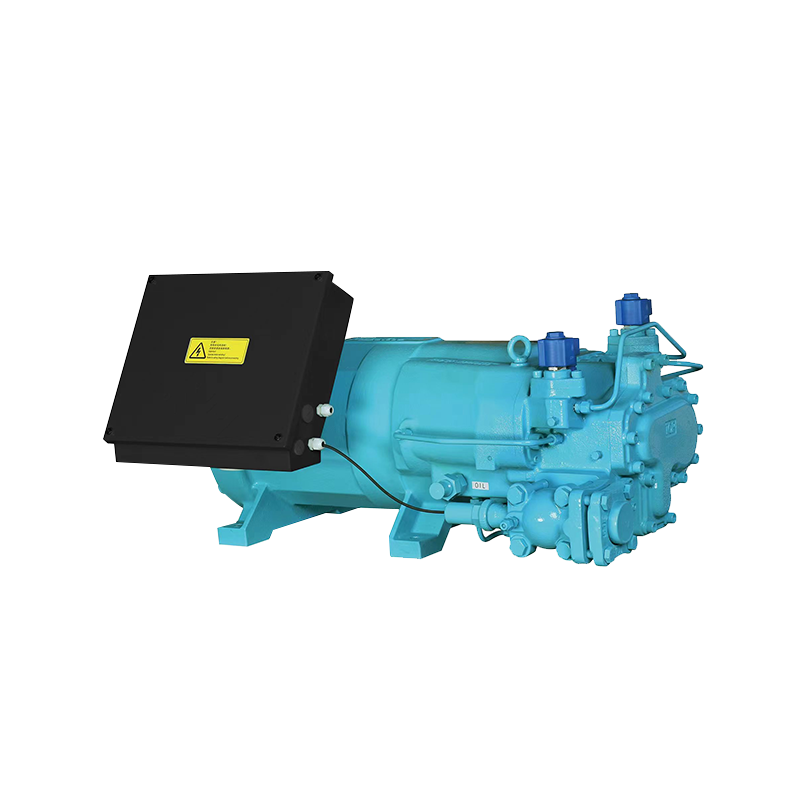
Centrifugal compressors use a high-speed impeller to accelerate refrigerant gas radially, converting kinetic energy into pressure, while screw compressors use two intermeshing helical rotors to continuously trap and compress gas — both types are used exclusively in large commercial and industrial cooling systems above 100 tons of capacity. These compressor types are not relevant for residential air conditioning but represent the dominant technology in large-scale HVAC, data center cooling, and industrial process cooling applications.
Compressor Type Comparison: Which Is Best for Your Application?
Each compressor type offers a different combination of efficiency, noise level, capacity range, and cost — understanding these trade-offs helps in selecting the right air conditioning system.
| Compressor Type | Efficiency | Noise Level | Capacity Range | Typical Application | Relative Cost |
| Reciprocating | Moderate | High | 1–20 tons | Older residential, light commercial | Low |
| Scroll (Fixed Speed) | Good | Low | 1–20 tons | Residential, light commercial | Moderate |
| Scroll (Inverter) | Excellent | Very Low | 0.75–20 tons | Modern residential, premium commercial | High |
| Rotary | Good | Low–Moderate | 0.5–2 tons | Window units, portable ACs, mini-splits | Low–Moderate |
| Screw | Good–Excellent | Moderate | 20–500 tons | Large commercial, industrial | Very High |
| Centrifugal | Excellent at full load | Low | 100–2,000+ tons | Large buildings, data centers, hospitals | Very High |
Table 1: Comparison of air conditioner compressor types by efficiency, noise, capacity range, typical application, and relative cost.
Key Components Inside an Air Conditioner Compressor
A modern hermetic air conditioner compressor is a sealed unit containing both the compression mechanism and the electric motor that drives it, along with lubrication, electrical, and safety components. The main internal components include:
- Electric motor: Typically a single-phase or three-phase induction motor that converts electrical energy into the rotational mechanical energy used to drive the compression mechanism. In inverter compressors, this is replaced by a variable-speed permanent magnet motor controlled by the inverter drive board.
- Compression mechanism: The scrolls, pistons, rotors, or other mechanical elements that perform the actual gas compression — the design of this component defines the compressor type.
- Lubrication oil: Compressor oil circulates with the refrigerant to lubricate the moving compression components and the motor bearings. Typical residential compressors contain 8 to 16 fluid ounces of synthetic or mineral oil. Oil breakdown or loss is one of the most common causes of premature compressor failure.
- Suction and discharge ports: The inlet (suction) port admits low-pressure refrigerant gas from the evaporator, and the outlet (discharge) port expels high-pressure compressed gas to the condenser.
- Internal thermal overload protector: A bimetallic switch or PTC thermistor that disconnects the motor if internal temperature exceeds safe limits — typically 280°F to 300°F (138°C to 149°C) — preventing catastrophic motor winding failure.
- Crankcase heater: An electric resistance heater mounted on the compressor shell that keeps the oil warm during extended off periods, preventing refrigerant from migrating into and diluting the oil — a condition called refrigerant flood-back that can cause severe bearing damage on startup.
Signs of a Failing Air Conditioner Compressor
Recognizing the early warning signs of compressor problems can save the cost of complete system replacement by enabling timely repair before catastrophic failure occurs. The most important symptoms to watch for include:
Reduced Cooling Performance
A compressor that is losing efficiency will produce noticeably less cooling for the same energy consumption — the first and most common symptom of compressor degradation. If your air conditioner runs continuously but struggles to reach the set temperature on days that it previously handled without difficulty, this indicates the compressor is not achieving its rated compression ratio, likely due to worn internal components, refrigerant loss, or valve failure.
Unusual Noises
Clicking, rattling, banging, squealing, or grinding sounds from the outdoor unit are serious warning signs of mechanical compressor distress that require immediate professional evaluation. A single loud click or bang at startup can indicate a liquid slug (liquid refrigerant entering the compressor) or a loose mounting bracket. Continuous rattling may indicate loose internal components. Squealing or grinding typically signals bearing failure — a condition that will progress to total compressor seizure within hours to days if not addressed.
Hard Starting or Failure to Start
A compressor that trips the circuit breaker, hums without starting, or requires multiple attempts before running has a starting problem that may originate in the compressor motor windings, the start capacitor, or both. Start capacitors supply the initial surge of current needed to accelerate the motor to operating speed. A failed capacitor is a common, inexpensive repair. Failed motor windings — indicated by burned smell, visual burn marks on wiring, or a dead short reading on a multimeter — typically require compressor replacement.
Tripping Circuit Breaker
A compressor that repeatedly trips its dedicated circuit breaker is drawing more current than the circuit is designed to handle — a symptom of a motor that is working abnormally hard due to mechanical binding, electrical winding damage, or locked rotor condition. A healthy residential compressor draws 6 to 20 amps depending on its capacity. A compressor drawing significantly above its nameplate rated current (RLA) is in distress and should be evaluated before further operation causes a wiring fire or permanent motor failure.
Oil or Refrigerant Leaks
Visible oil stains around the compressor body or refrigerant lines, or a hissing sound from the refrigerant circuit, indicate leaks that will progressively starve the compressor of lubrication and cooling. A compressor operating with low refrigerant charge runs hotter than normal because the refrigerant gas returning to the compressor also cools the motor windings. Sustained low-charge operation can overheat the motor within hours and cause irreversible winding insulation breakdown.
Compressor Repair vs. Replacement: When to Choose Each
The decision between repairing and replacing a failed air conditioner compressor depends on the system's age, the compressor's warranty status, the cost of replacement refrigerant, and the overall condition of the remaining system components.
| Scenario | Recommended Action | Reason |
| System under 5 years old, compressor under warranty | Replace compressor under warranty | Parts cost covered; system otherwise in good condition |
| System 5–10 years old, compressor out of warranty | Compare compressor cost vs. new system | If repair >50% of new system cost, replacement often better value |
| System over 10 years old, uses R-22 refrigerant | Replace entire system | R-22 is phased out; recharge costs $100+/lb; new system far more efficient |
| Failed start capacitor only | Replace capacitor | Inexpensive part ($15–$50); does not indicate compressor failure |
| Burned motor windings (confirmed by electrical test) | Replace compressor or system | Acid contamination of refrigerant circuit requires full flush — expensive |
| Mechanical seizure (locked rotor) | Replace compressor or system | Metal contamination of oil circuit; other components likely damaged |
Table 2: Decision guide for compressor repair versus replacement based on system age, failure type, and refrigerant compatibility.
How to Extend the Life of Your Air Conditioner Compressor
Proper maintenance of the entire air conditioning system — not just the compressor itself — is the single most effective strategy for maximizing compressor lifespan, which should be 10 to 20 years under ideal conditions. Follow these practices to protect your compressor:
- Replace air filters every 1–3 months: A clogged filter restricts airflow across the evaporator coil, causing the coil to ice over. Ice on the evaporator drives liquid refrigerant back to the compressor — a condition called liquid slugging that can bend or break compressor valves and connecting rods instantly.
- Keep the outdoor condenser coil clean: Accumulated dirt and debris on the condenser coil reduces heat rejection efficiency, forcing the compressor to operate at higher-than-designed discharge pressures. For every 10°F (5.6°C) increase in condensing temperature, compressor efficiency drops approximately 3% to 5% and motor current increases proportionally, accelerating wear.
- Ensure adequate clearance around the outdoor unit: The condenser unit requires at minimum 24 inches (60 cm) of clearance on all sides and above for adequate airflow. Shrubs, fences, or debris piled against the unit restrict airflow and cause the same high-pressure operating conditions as a dirty coil.
- Schedule annual professional maintenance: A certified HVAC technician will check refrigerant charge, measure operating pressures and temperatures against design specifications, inspect electrical connections, check capacitor capacitance, and clean coils — all of which directly affect compressor operating conditions and longevity.
- Never short-cycle the system: Avoid turning the air conditioner off and on rapidly (within less than 5 minutes). Each startup draws 3 to 6 times the normal running current — this locked-rotor amperage surge is the most mechanically and thermally stressful event the compressor motor experiences. Many modern thermostats include a 5-minute time-delay feature for exactly this reason.
- Maintain correct refrigerant charge: Both overcharging and undercharging refrigerant damage the compressor. Undercharge reduces the cooling of the motor windings and increases discharge temperature. Overcharge causes liquid slugging. Only a certified technician with the proper gauges and equipment should adjust refrigerant charge.
Frequently Asked Questions About Air Conditioner Compressors
Q1: How long should an air conditioner compressor last?
A well-maintained air conditioner compressor should last between 10 and 20 years, with the industry average falling around 12 to 15 years for residential systems. Lifespan is heavily influenced by how well the rest of the system is maintained (particularly filter and coil cleanliness), local climate (compressors in extremely hot climates run harder and wear faster), the quality of the original installation, and whether the system has experienced refrigerant loss, electrical surges, or other stress events during its service life.
Q2: Can I replace just the compressor without replacing the whole air conditioning system?
Yes, but whether it makes financial sense depends on the system's age, refrigerant type, and the cost comparison between compressor replacement and a full system upgrade. Compressor replacement alone typically costs between $800 and $2,500 for parts and labor on a residential system. A new complete residential split system costs $3,000 to $7,000 installed. For systems under 8 years old using current refrigerants (R-410A or R-32), compressor-only replacement is often the better value. For systems over 12 years old or using phased-out R-22 refrigerant, full system replacement delivers better long-term value and dramatically improved energy efficiency.
Q3: Why does my air conditioner compressor make a loud noise when it starts?
A brief click or mild thump at startup is normal — it is the sound of the electrical contactor closing to energize the compressor motor. However, a loud bang, prolonged grinding noise, or repeated clicking that prevents the compressor from starting indicates a problem. Common causes include a failed start capacitor (preventing the motor from reaching operating speed), liquid refrigerant slugging into the compressor cylinder on startup (caused by refrigerant migration during the off cycle — preventable with a crankcase heater), or worn bearings that create metal-on-metal contact during the high-stress startup phase.
Q4: What is the difference between a fixed-speed and an inverter compressor?
A fixed-speed compressor operates at a single speed — either fully on at 100% capacity or completely off — while an inverter compressor continuously varies its speed and output to match the exact cooling demand at any given moment. Fixed-speed compressors are simpler, less expensive, and easier to service. Inverter compressors are 30% to 50% more energy-efficient under typical variable-load real-world conditions, maintain more stable indoor temperatures with less humidity fluctuation, start and stop less frequently (reducing startup wear), and operate significantly more quietly at part-load speeds. The higher upfront cost of an inverter system is typically recovered in energy savings within 3 to 6 years depending on local electricity prices and usage patterns.
Q5: What refrigerant does my air conditioner compressor use, and does it matter?
The refrigerant type matters significantly — compressors are designed and lubricated for specific refrigerants and cannot be switched between refrigerant types without replacing the compressor and flushing the entire system. Residential systems manufactured before 2010 typically use R-22 (Freon), which has been phased out under the Montreal Protocol and is now extremely expensive to purchase. Systems made from 2010 to 2025 predominantly use R-410A, while newer systems are transitioning to lower global warming potential (GWP) alternatives such as R-32 and R-454B. If your system uses R-22, a compressor failure is typically the trigger point for full system replacement.
Q6: How much electricity does an air conditioner compressor use?
An air conditioner compressor consumes between 1,000 and 4,000 watts of electricity depending on its cooling capacity — typically accounting for 60% to 80% of the air conditioner's total energy use. A typical 3-ton (36,000 BTU/hr) residential compressor draws approximately 3,500 watts (3.5 kWh) per hour of operation. Running 8 hours per day at an average electricity cost of $0.15 per kWh, this equates to roughly $4.20 per day or approximately $126 per month for compressor operation alone during peak summer cooling season. An equivalent inverter compressor operating at an average of 60% capacity would reduce this figure to approximately $75 to $85 per month.
Q7: Can low refrigerant damage the compressor?
Yes — operating a compressor with insufficient refrigerant charge is one of the leading causes of premature compressor failure. Low refrigerant causes two simultaneous problems: the refrigerant gas returning to the compressor is insufficient to cool the motor windings, causing overheating; and the reduced mass flow rate means less lubricating oil is circulated through the system, accelerating bearing and sealing surface wear. A compressor operated significantly below its design refrigerant charge for an extended period will typically fail within one to two cooling seasons. Any suspected refrigerant loss requires immediate professional diagnosis and leak repair — adding refrigerant without fixing the leak is only a temporary delay of the same outcome.
Summary: How a Compressor Works in an Air Conditioner
The air conditioner compressor is the mechanical core of the refrigeration cycle — it compresses low-pressure refrigerant gas into high-pressure, high-temperature gas that can release its absorbed heat to the outdoor air, enabling continuous heat transfer from inside your home to outside. Whether it uses pistons, scrolls, rotors, or impellers to achieve compression, its fundamental thermodynamic function is identical: to maintain the pressure differential that drives the refrigeration cycle.
- Scroll compressors dominate modern residential air conditioning due to their efficiency, quiet operation, and reliability.
- Inverter (variable speed) compressors deliver 30–50% energy savings over fixed-speed equivalents and represent the direction of the entire industry.
- Early warning signs of compressor problems include reduced cooling, unusual noises, hard starting, and tripped breakers — all of which are most cost-effectively addressed before complete failure.
- Consistent maintenance — clean filters, clean coils, correct refrigerant charge, and annual professional service — is the most cost-effective strategy for maximizing compressor lifespan.
- Replacement decisions should weigh system age, refrigerant type, warranty status, and the repair-to-replacement cost ratio to achieve the best long-term value.
 +86-0574-88198229
 +86-17757487298
 Zhejiang Province, Ningbo City, Yinzhou District