
 EN
EN English
 Español
 عربى
عربى русский
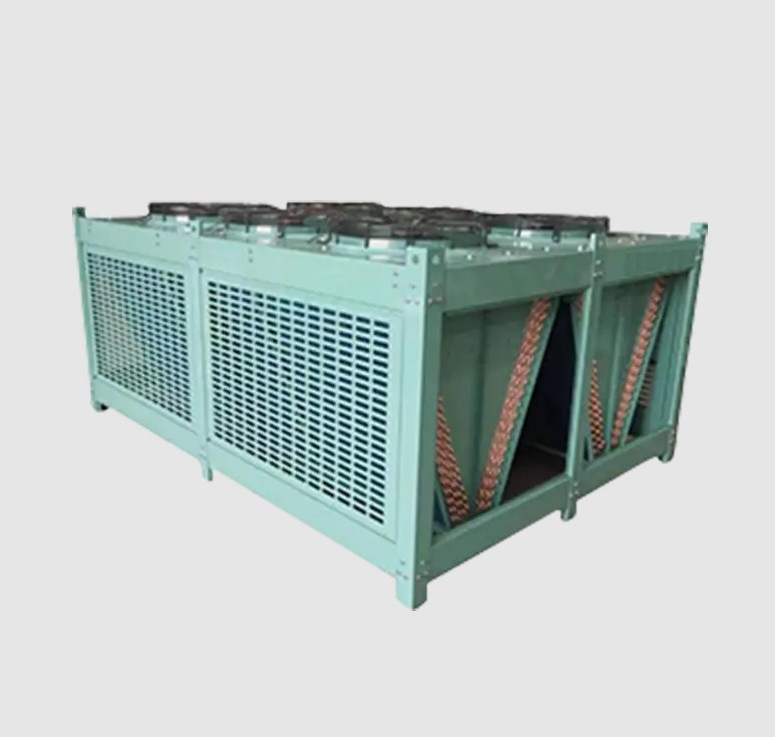
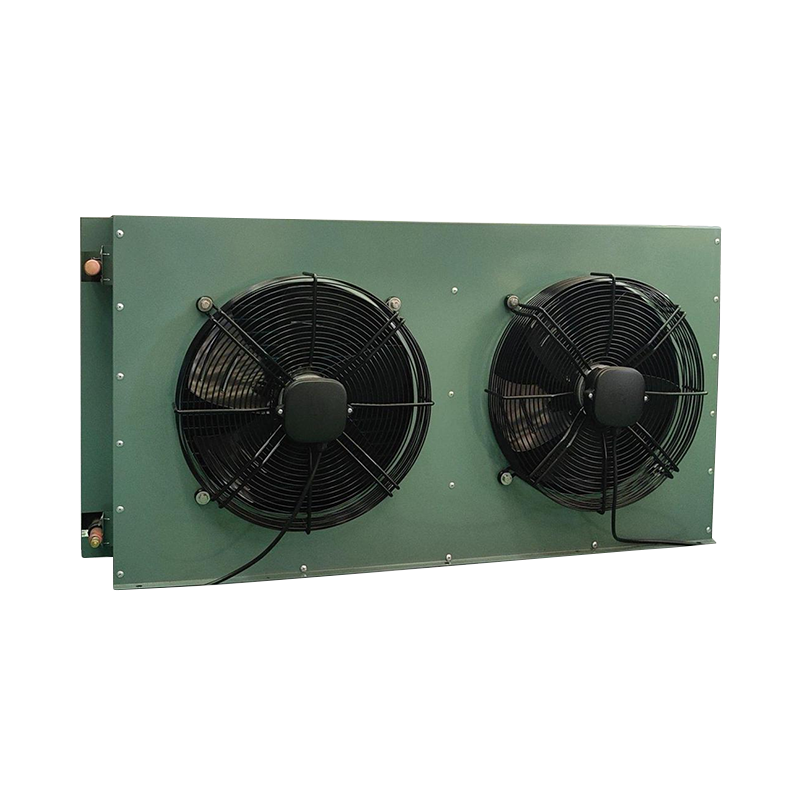
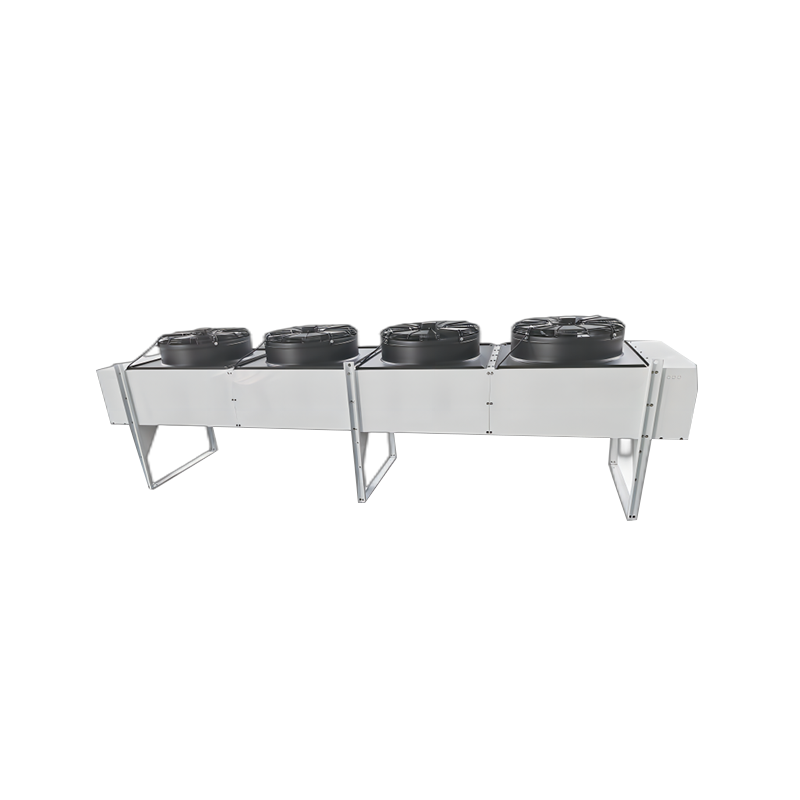
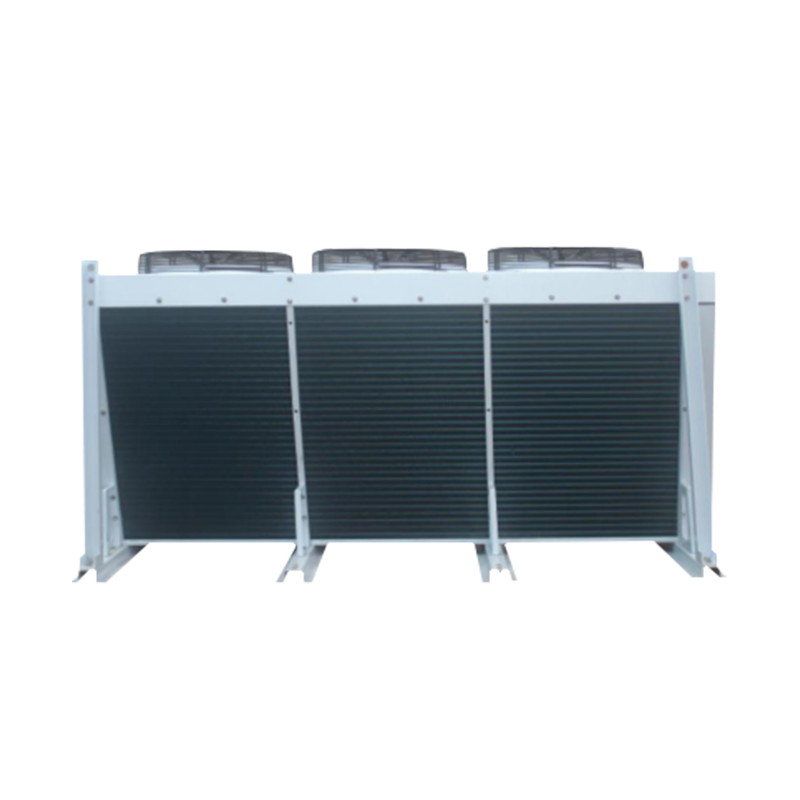
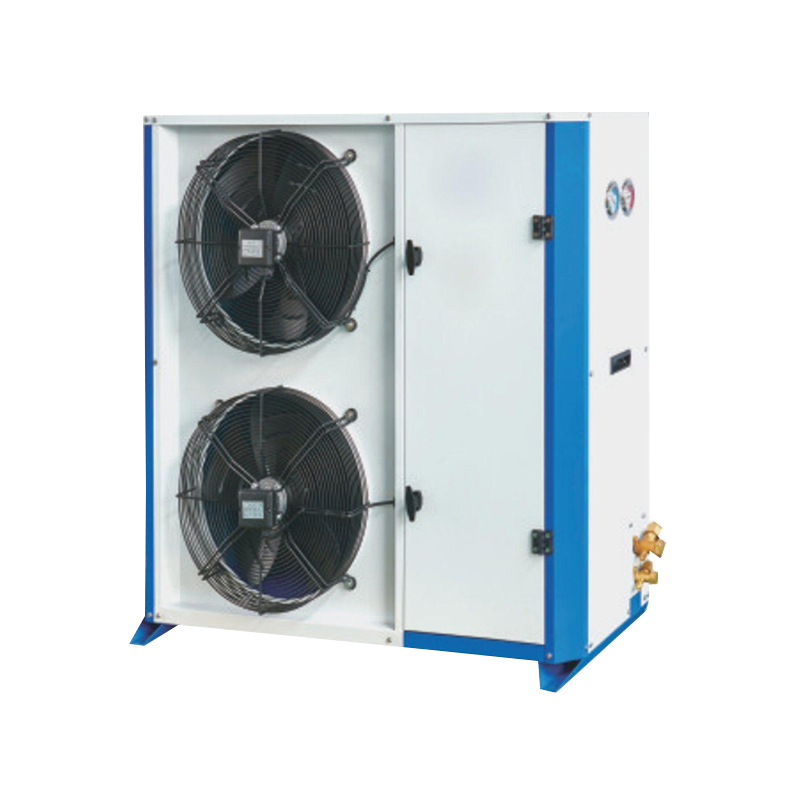
The condenser is a crucial component in many refrigeration and air conditioning systems, dissipating heat from the refrigerant to the surrounding air. If the condenser surface is covered with dust, dirt, or other debris, it can significantly reduce its heat dissipation efficiency, leading to increased energy consumption and even shortened service life. Regular condenser cleaning is crucial to maintaining efficient operation.
Why is condenser cleaning so important?
The condenser's heat dissipation efficiency directly impacts the performance of the entire system. When condenser fins become clogged, the refrigerant cannot be cooled effectively, increasing system pressure and increasing the workload on the compressor. This not only increases your electricity bill but can also damage the unit due to overheating. Furthermore, a clean condenser ensures consistent cooling, avoiding issues like inadequate cooling or frequent shutdowns.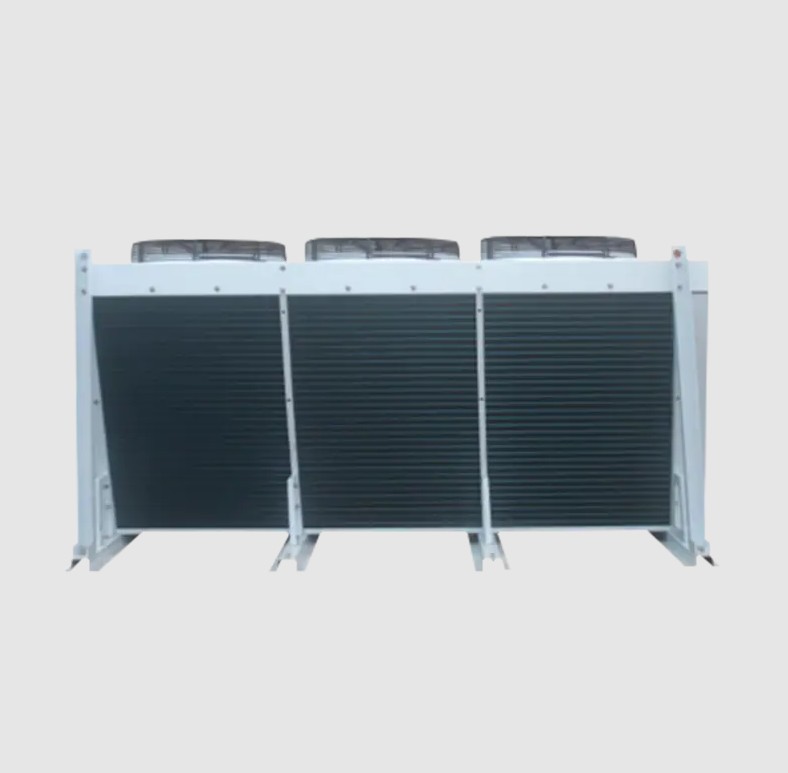
Condenser Cleaning Steps
- Safety First: Always disconnect the unit from the power source before cleaning. This prevents electric shock or accidental startup.
- Remove Surface Debris: Use a soft-bristled brush or vacuum cleaner to gently remove large debris, such as dust, leaves, and lint, from the condenser fins. Be gentle to avoid bending or damaging the delicate fins.
- Using a professional cleaner: For stubborn oil or dust stains, use a specialized condenser cleaner. These cleaners effectively break down dirt without corrosively attacking the condenser's metal surface. Spray the cleaner evenly onto the fins and let it sit for a while to work its magic.
- Rinsing: Use a low-pressure hose or spray bottle to rinse the condenser from top to bottom. Rinse from the inside out, thoroughly removing any dirt and cleaner. Avoid using a high-pressure water jet, as this can damage the fins or internal piping.
- Drying: After rinsing, allow the condenser to air dry. Do not reconnect the power supply until it is completely dry.
Maintenance Tips
- Regular Inspection: It is recommended to clean the condenser at least once or twice a year, especially before peak usage.
- Keep the surrounding area clean: Ensure the area around the condenser is clear of weeds, shrubs, or other obstructions to ensure unimpeded airflow.
- Seek professional help: If you're unsure how to proceed, or if the condenser is severely clogged or damaged, it's best to contact a professional technician for maintenance and repair.
By following these simple steps, you can significantly improve the efficiency and reliability of your unit, extending the life of your condenser and, ultimately, the entire unit.
 +86-0574-88198229
 +86-17757487298
 Zhejiang Province, Ningbo City, Yinzhou District