
 EN
EN English
 Español
 عربى
عربى русский
An air conditioner compressor is the "heart" of your HVAC system. It is a mechanical device responsible for circulating refrigerant under high pressure throughout the system, facilitating the heat exchange process that cools your indoor air. Without a functioning compressor, an air conditioner is merely a fan; it cannot lower the temperature or remove humidity from a room.
Content
- 1 Understanding the Core: The Role of the Air Conditioner Compressor
- 2 The Four Stages of the Refrigeration Cycle
- 3 Types of Air Conditioner Compressors
- 4 Why the Air Conditioner Compressor Fails: Maintenance is Key
- 5 Fixed-Speed vs. Inverter Air Conditioner Compressors
- 6 Common Symptoms of a Failing Air Conditioner Compressor
- 7 FAQ: Frequently Asked Questions
- 8 Conclusion
Understanding the Core: The Role of the Air Conditioner Compressor
To understand the air conditioner compressor, one must first view the air conditioning system as a heat relocation machine. It doesn't "create" cold; rather, it removes heat from the inside of your home and dumps it outside. The compressor is the engine that drives this entire transport mechanism.
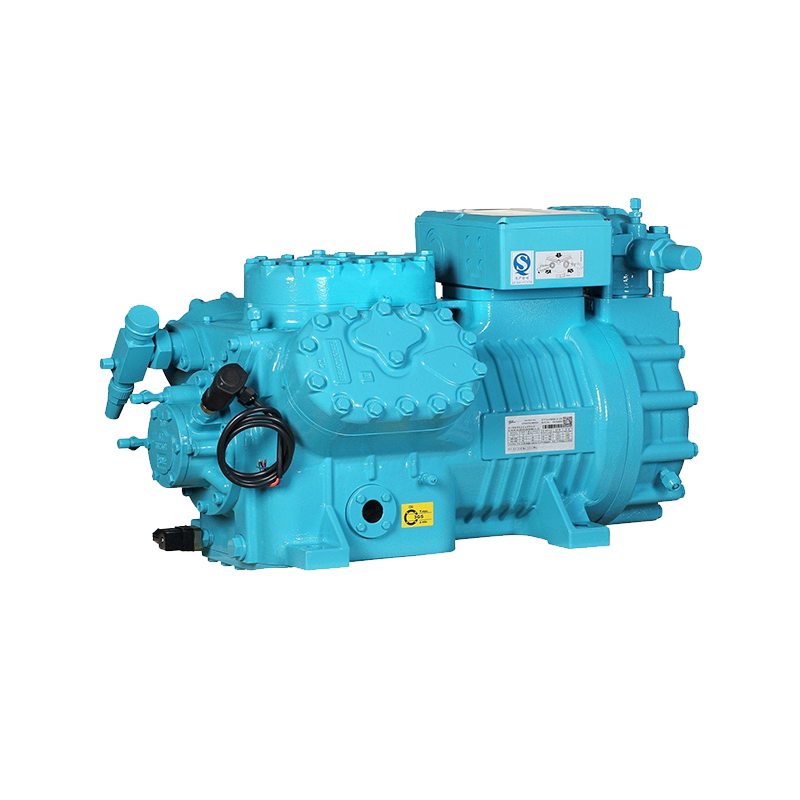
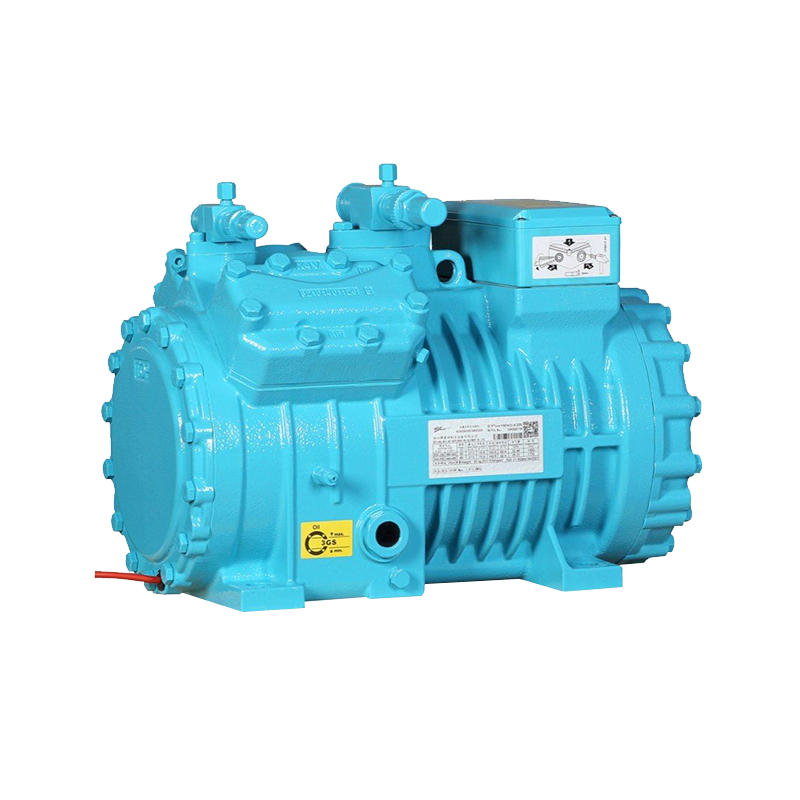
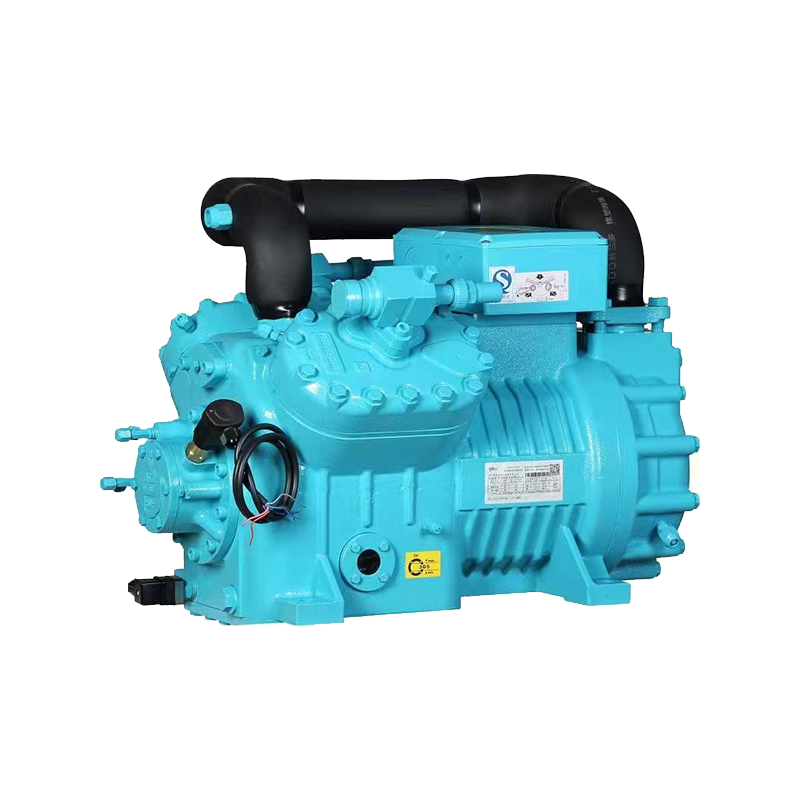
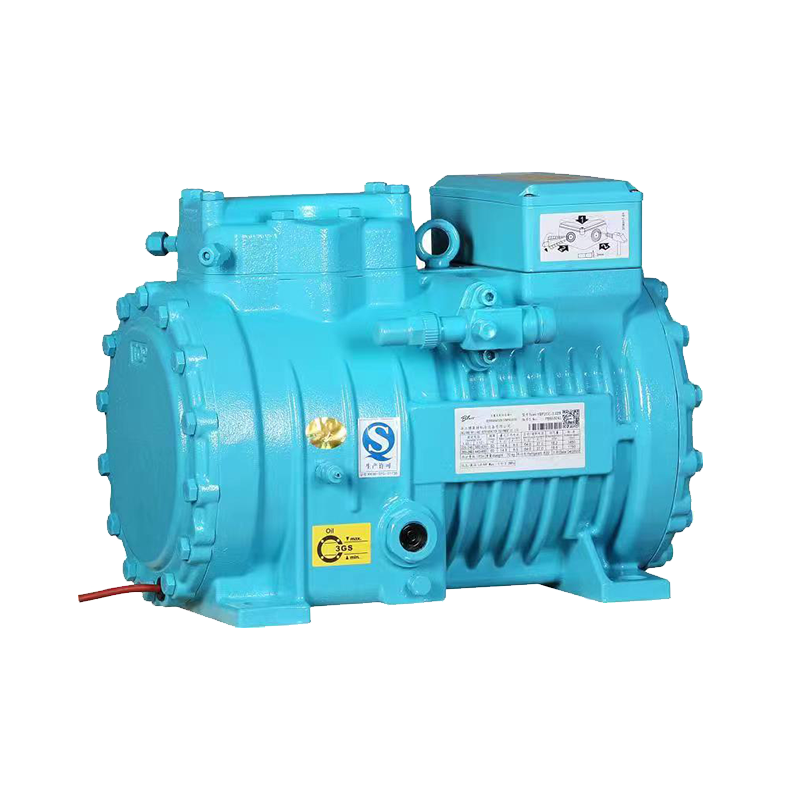
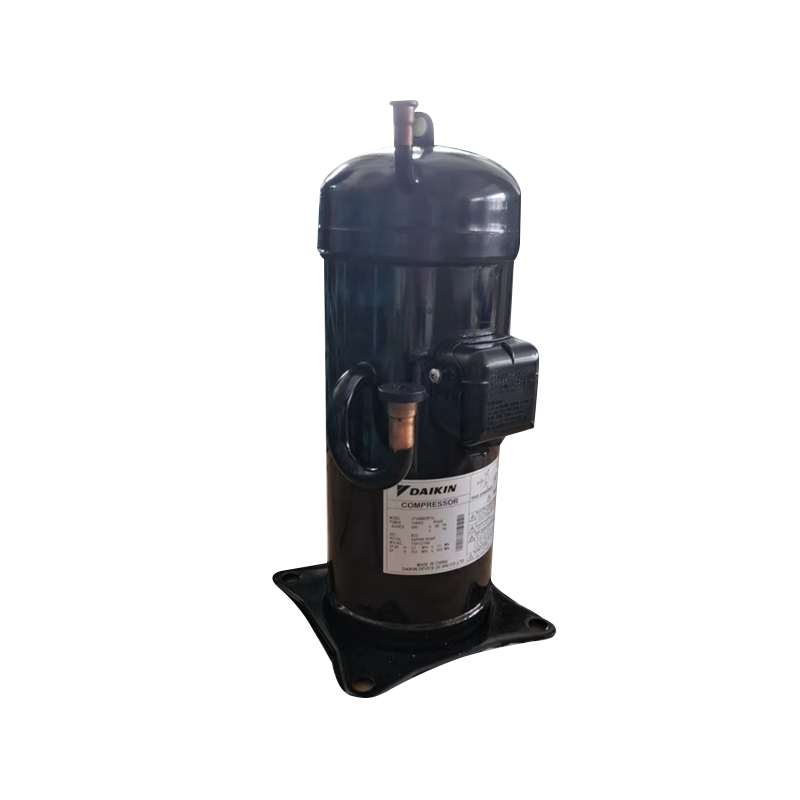
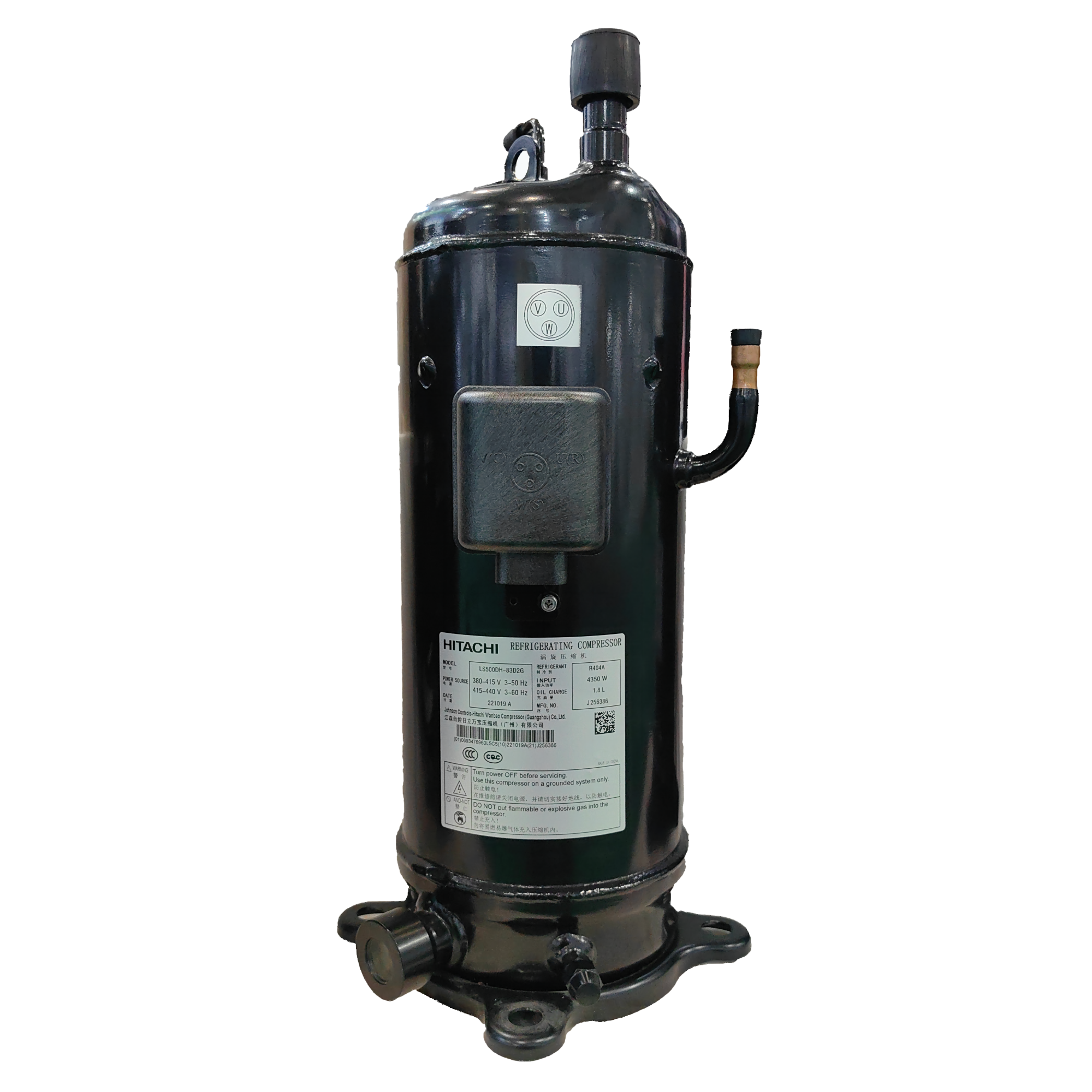
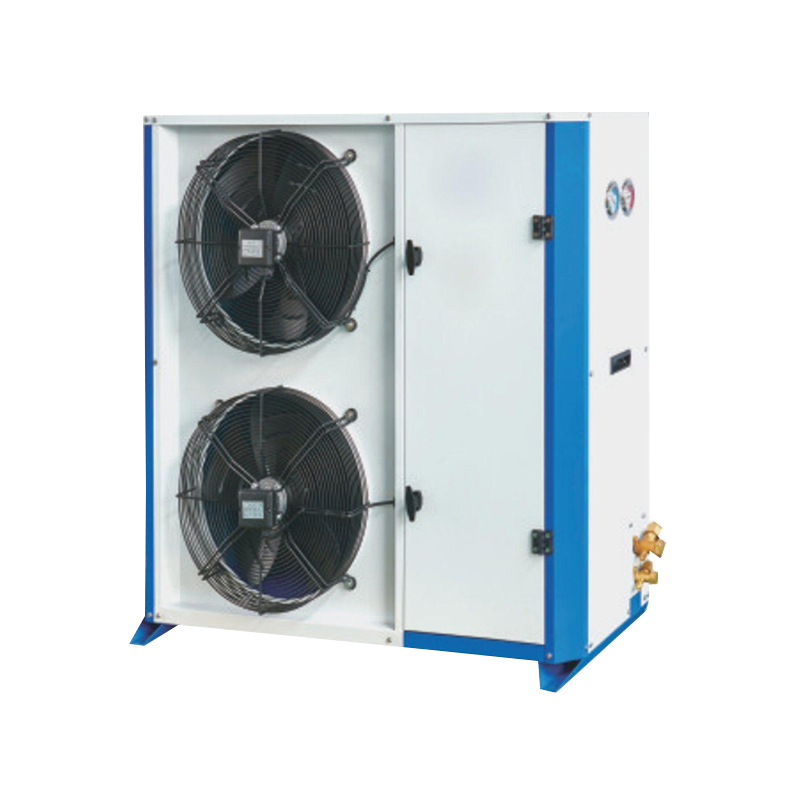
Located in the outdoor unit (the condensing unit), the air conditioner compressor acts as a pump. It takes in low-pressure, cool gaseous refrigerant from the indoor evaporator coil and compresses it into a high-pressure, hot gas. This increase in pressure is vital because heat naturally flows from warmer objects to cooler ones. By making the refrigerant hotter than the outside air, the compressor allows the system to shed heat even on a scorching summer day.
[Image of air conditioner compressor working principle]
The Four Stages of the Refrigeration Cycle
The air conditioner compressor operates as the starting point of a four-stage continuous loop. Here is how it drives the refrigeration cycle:
1. Compression (The Power Phase)
The cycle begins when the air conditioner compressor receives low-pressure refrigerant vapor. By squeezing the gas molecules together, it raises both the pressure and the temperature significantly. This high-energy state is what allows the refrigerant to move through the rest of the system.
2. Condensation (The Heat Release)
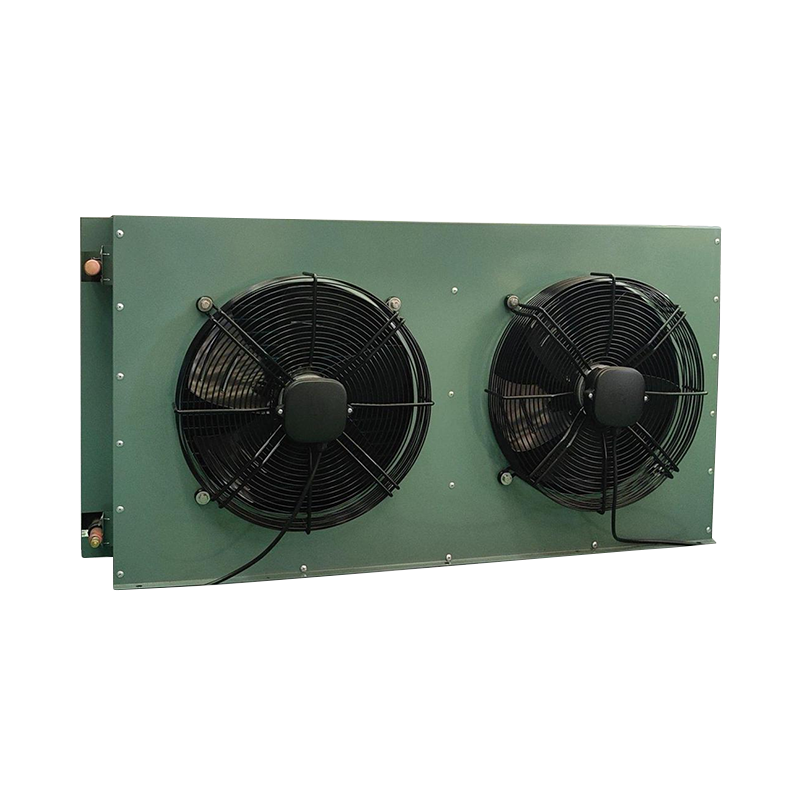
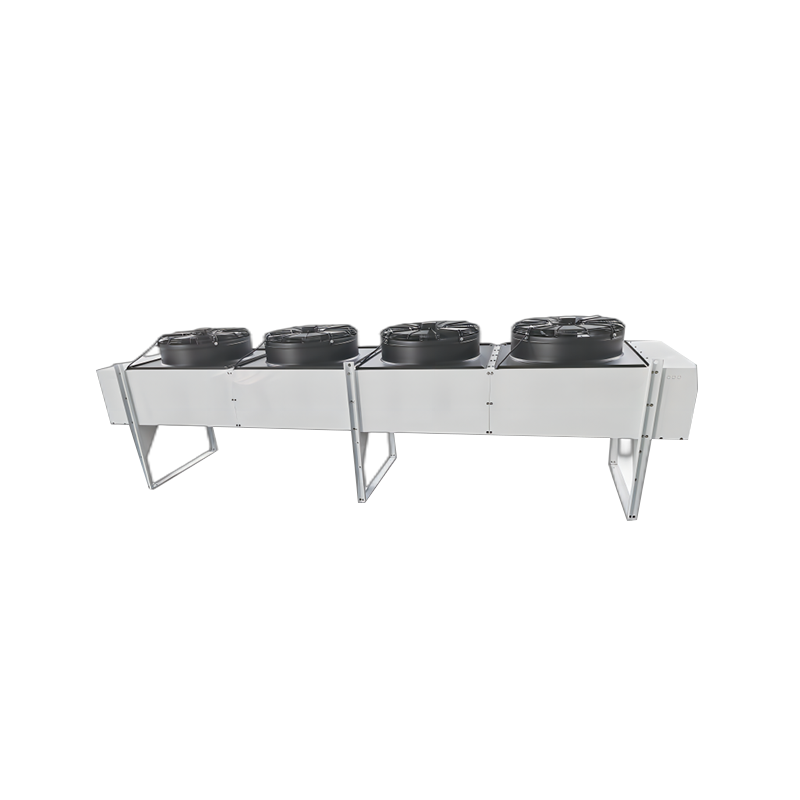
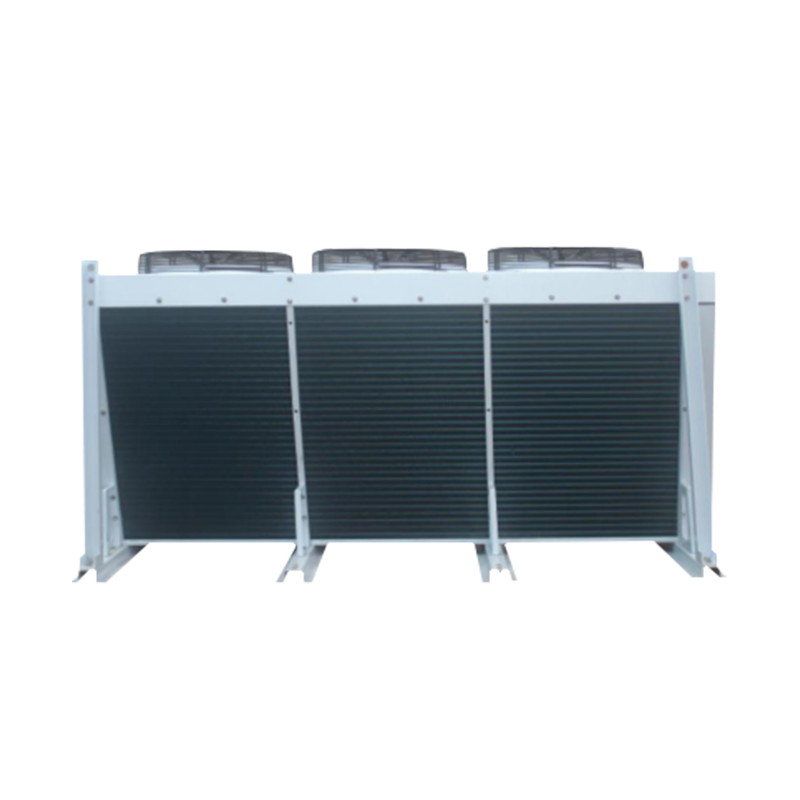
The hot, high-pressure gas travels to the condenser coils. As a fan blows outside air over these coils, the heat from the refrigerant escapes into the environment. As it cools, the refrigerant undergoes a phase change, turning from a gas into a high-pressure liquid.
3. Expansion (The Cooling Prep)
The liquid refrigerant reaches the expansion valve (or metering device). Here, the pressure is abruptly dropped. Think of this like a spray nozzle; as the pressure vanishes, the temperature of the liquid plummets, turning it into a very cold, low-pressure mist.
4. Evaporation (The Heat Absorption)
The cold refrigerant enters the indoor evaporator coils. Warm indoor air is blown across these coils. The refrigerant absorbs the heat from the air, causing the refrigerant to evaporate back into a gas. The now-cool air is circulated back into the house, and the gaseous refrigerant returns to the air conditioner compressor to start the process over.
Types of Air Conditioner Compressors
Not all compressors are built the same. Depending on the size of the building and the required efficiency, different mechanical designs are used to achieve compression.
| Compressor Type | Mechanism | Best Use Case |
|---|---|---|
| Reciprocating | Uses a piston and cylinder (like a car engine). | Smaller residential units; easy to repair. |
| Scroll | Two interlocking spirals (one stationary, one rotating). | Standard modern residential AC; very efficient and quiet. |
| Rotary | A roller rotates inside a cylinder to compress gas. | Window units and mini-splits; compact design. |
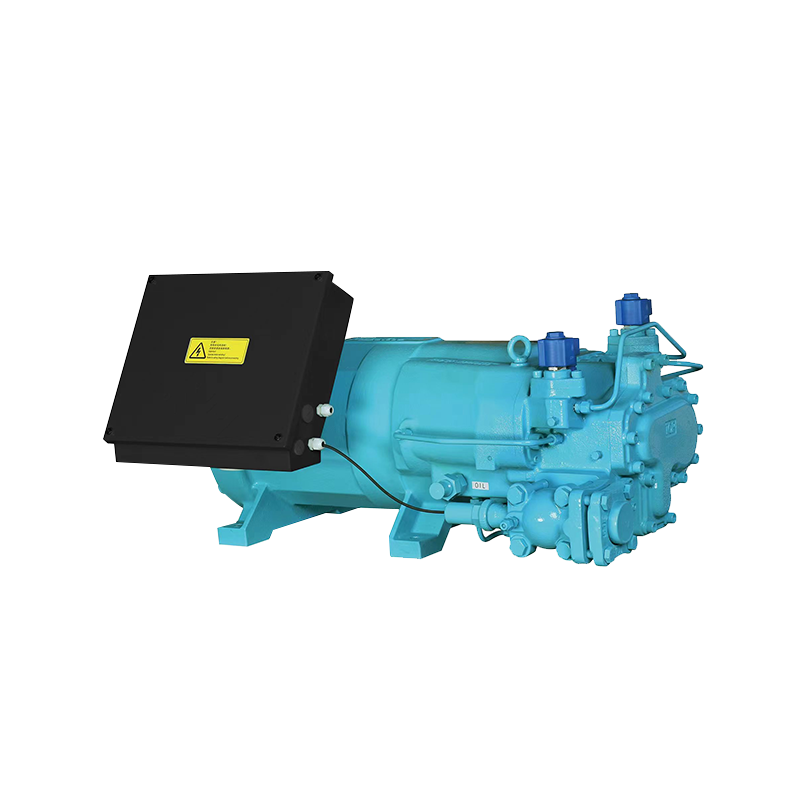
| Screw | Two large helical rotors that trap and compress gas. | Large commercial buildings and chillers. |
| Centrifugal | Uses centrifugal force through high-speed impellers. | Massive industrial complexes and very large HVAC systems. |
Why the Air Conditioner Compressor Fails: Maintenance is Key
Because the air conditioner compressor is the most hardworking component, it is also the most expensive to replace. Understanding why it might fail can save homeowners thousands of dollars.
- Electrical Issues: Power surges or acid buildup in the system can lead to motor burnout.
- Refrigerant Leaks: If the refrigerant level is low, the air conditioner compressor must work twice as hard to move the same amount of heat, leading to overheating.
- Dirty Coils: When condenser coils are covered in dirt, heat cannot escape. This forces the compressor to run at higher pressures and temperatures than it was designed for.
- Liquid Slugging: If the evaporator fails to turn liquid refrigerant into gas, liquid can enter the compressor. Since liquids cannot be compressed, this usually destroys the internal hardware instantly.
Fixed-Speed vs. Inverter Air Conditioner Compressors
In the modern era of energy efficiency, the way a compressor operates has evolved.
Fixed-speed compressors operate on an "all or nothing" basis. They turn on at 100% capacity until the desired temperature is reached, then shut off. This constant cycling creates significant wear and tear and consumes more electricity.
Inverter compressors (Variable Speed) are the gold standard in modern technology. Instead of shutting off, they slow down or speed up based on the cooling demand. This results in:
- More precise temperature control.
- Lower energy bills (up to 30-50% savings).
- Quieter operation.
- Longer lifespan for the air conditioner compressor.
Common Symptoms of a Failing Air Conditioner Compressor
If you notice any of the following, your air conditioner compressor might be nearing the end of its life:
- Odd Noises: Grinding, screeching, or clattering sounds coming from the outdoor unit often indicate internal mechanical failure.
- Hard Starts: If the unit stutters or shakes when it turns on, the compressor is struggling to kick-start.
- Warm Air: If the system is running but blowing warm air, the air conditioner compressor may not be pumping refrigerant effectively.
- Tripped Circuit Breakers: A failing compressor may overheat and draw too much current, causing your breaker to trip repeatedly.
FAQ: Frequently Asked Questions
Q: How long does an air conditioner compressor usually last?
A: Typically, a well-maintained air conditioner compressor lasts between 10 to 15 years. Factors like climate and maintenance frequency play a huge role.
Q: Is it worth replacing just the compressor?
A: If the unit is under warranty, yes. However, if the system is older than 10 years, the cost of a new air conditioner compressor plus labor is often close to the cost of a brand-new outdoor unit or entire system.
Q: Can I replace a compressor myself?
A: No. Replacing an air conditioner compressor requires handling controlled refrigerants, which requires professional certification (like EPA 608 in the USA) and specialized tools like vacuum pumps and torches.
Conclusion
The air conditioner compressor is undeniably the most vital component in any cooling system. By understanding how it pressurizes refrigerant to drive the heat-exchange cycle, homeowners can better appreciate the importance of regular maintenance. Keeping your coils clean and ensuring proper refrigerant levels won't just keep you cool—it will protect the life of your air conditioner compressor and save you money in the long run.
 +86-0574-88198229
 +86-17757487298
 Zhejiang Province, Ningbo City, Yinzhou District