
 EN
EN English
 Español
 عربى
عربى русский
Refrigerators are essential household appliances in our daily lives, helping us keep food fresh and drinks frozen. However, have you ever wondered how a refrigerator maintains a consistently low temperature? The answer lies in its core component—the refrigerator compressors.
Content
- 1 The Unsung Hero of the Refrigeration Cycle
- 2 Key Advantages of Refrigerator Compressors
- 3 FAQ (Frequently Asked Questions)
- 4 1. What role does the refrigerator compressor play in the refrigeration cycle?
- 5 2. What is the working principle of a refrigerator's cooling process?
- 6 3. What are the main advantages of modern refrigerator compressors?
- 7 4. What would happen if there were no refrigerator compressor?
The Unsung Hero of the Refrigeration Cycle
The refrigeration process of a refrigerator is essentially a heat transfer process. It doesn't create "coldness," but rather transfers heat from inside the refrigerator to the external environment. The key device that accomplishes this complex heat transfer is the compressor.
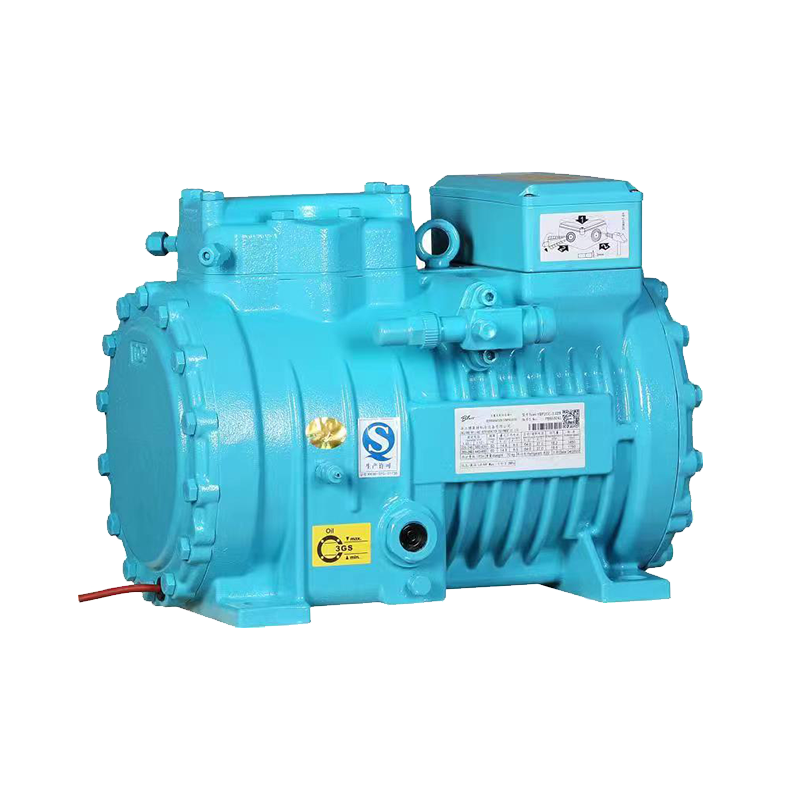
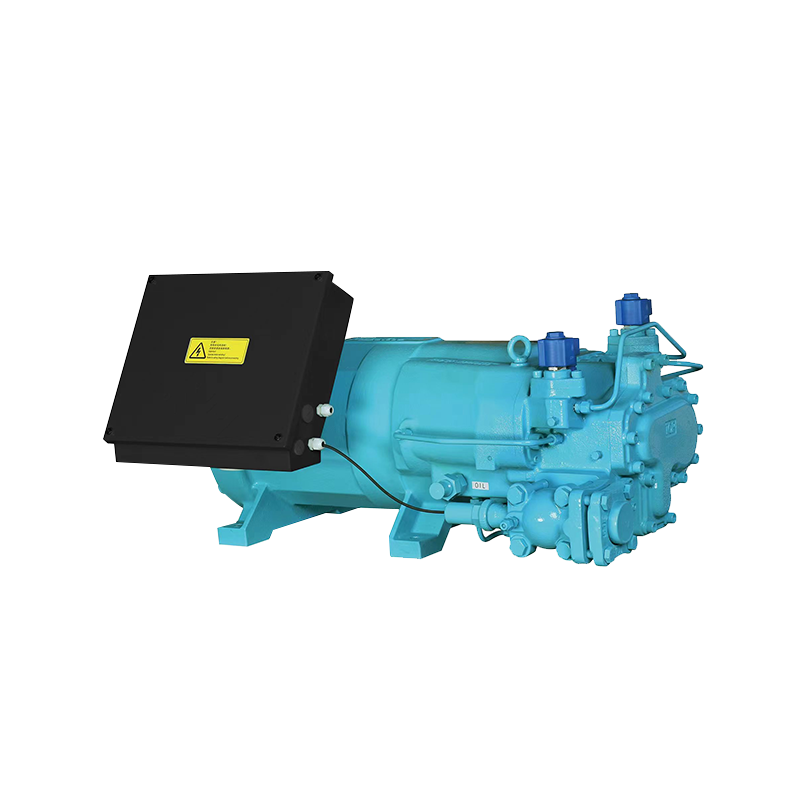
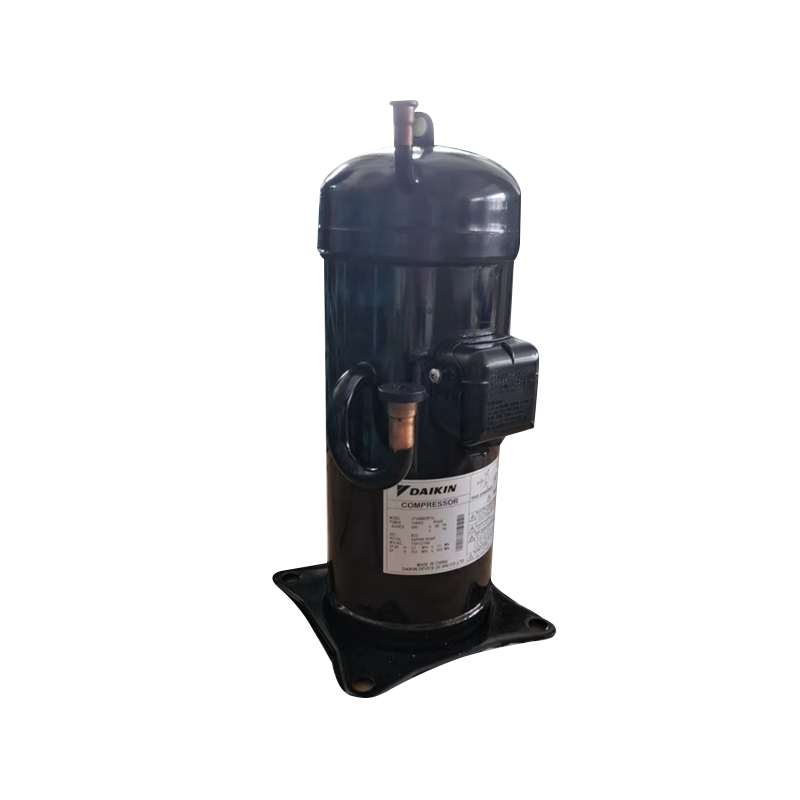
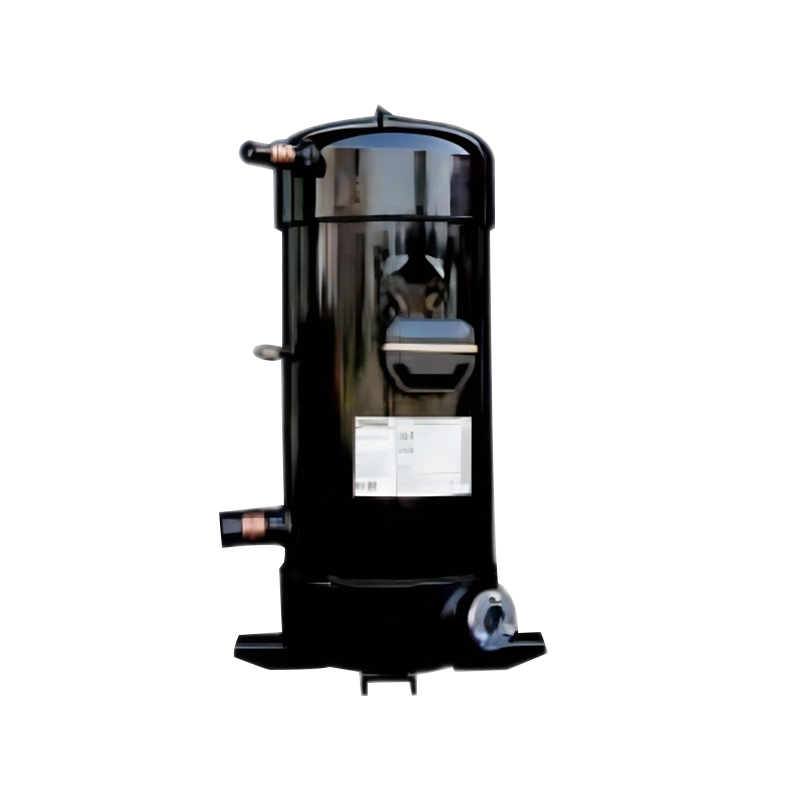
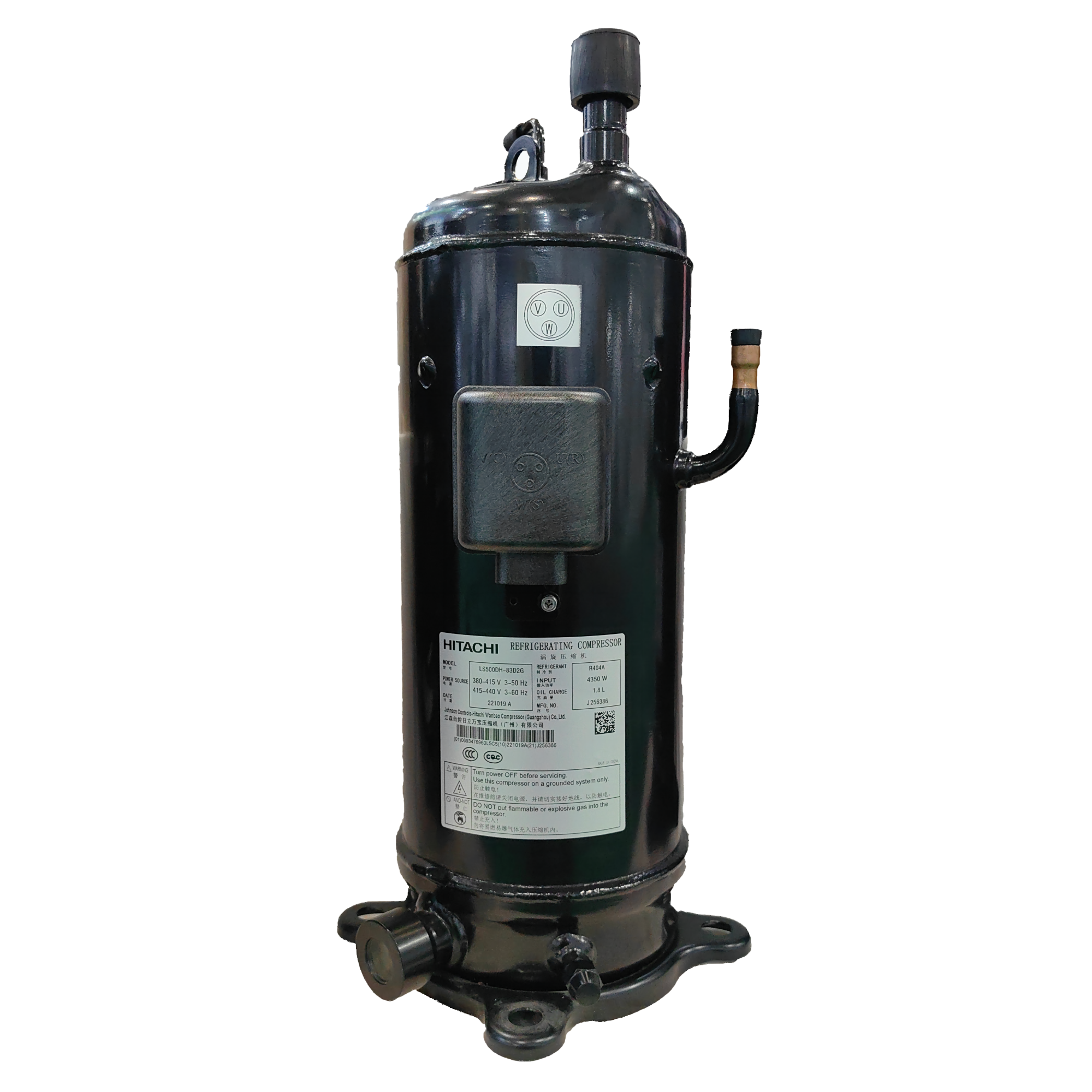
Compression (Heating and Pressurization): The refrigerator compressors act like a powerful heart, responsible for drawing in low-temperature, low-pressure gaseous refrigerant (such as R600a) and compressing it under high pressure. According to the principles of physics, the temperature of a gas rises sharply when it is compressed.
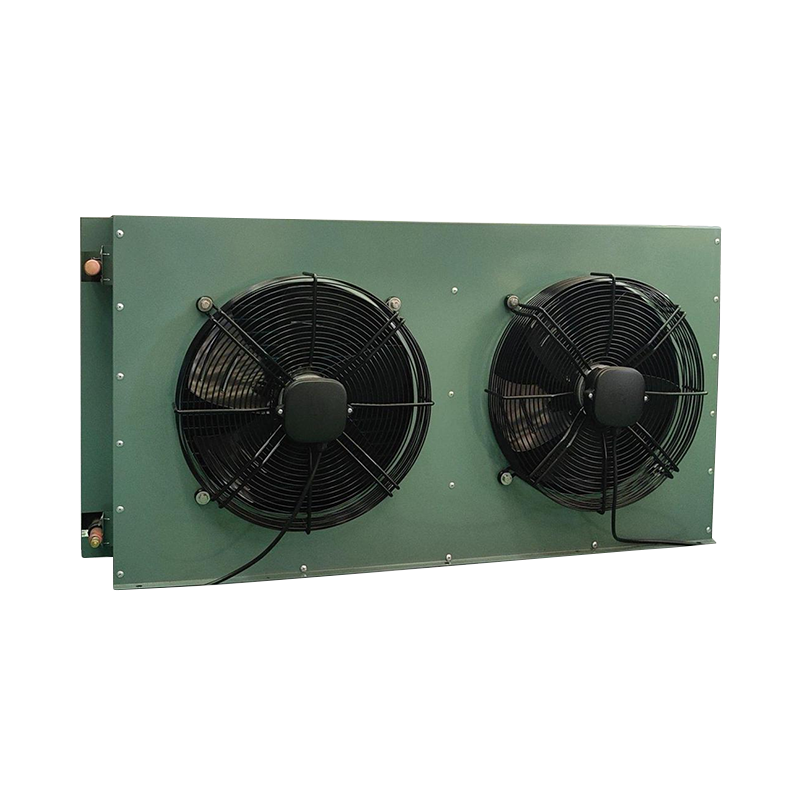
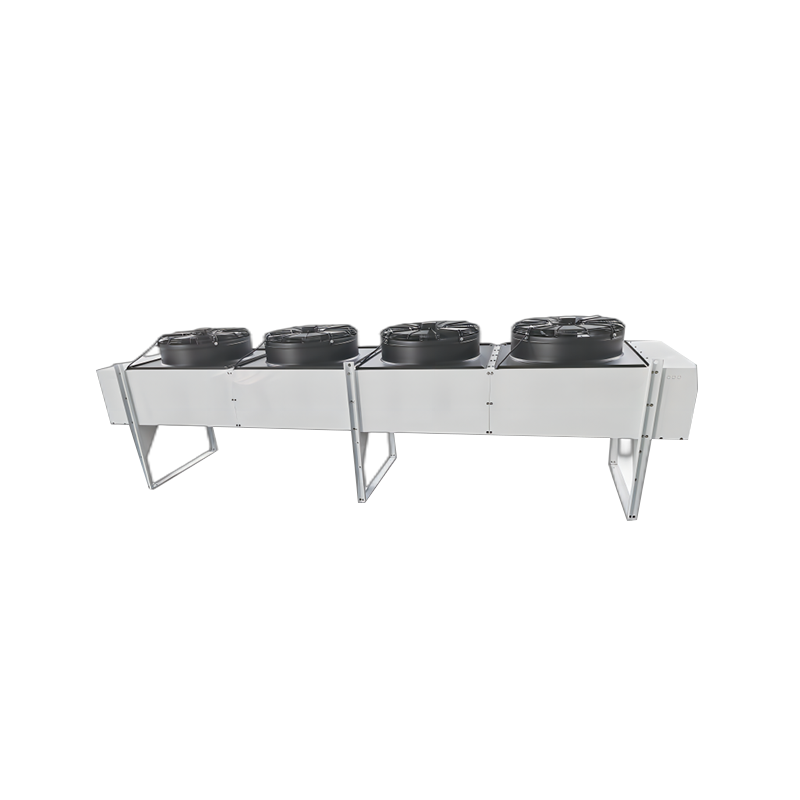
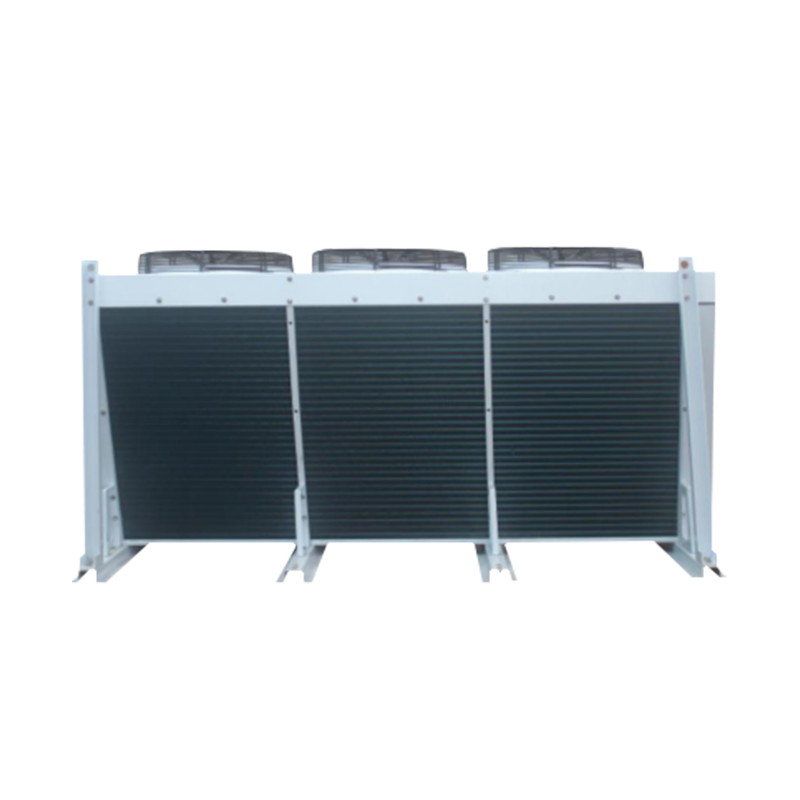
Condensation (Heat Release): The high-temperature, high-pressure gaseous refrigerant, compressed by the compressor, flows into the condenser at the back of the refrigerator. Here, it releases the heat it carries into the room air, its own temperature decreases, and it liquefies into a high-pressure liquid.
Throttling (Cooling and Pressure Reduction): High-pressure liquid refrigerant flows through a small capillary tube or expansion valve, causing a rapid drop in pressure, vaporization, and a significant decrease in temperature.
Evaporation (Heat Absorption): The low-temperature, low-pressure liquid refrigerant flows into the evaporator inside the refrigerator. It begins to absorb heat from the air inside the refrigerator, rapidly vaporizing into a gaseous state. This removes heat from the refrigerator's interior, lowering the temperature and achieving a cooling effect. Subsequently, the low-temperature, low-pressure gaseous refrigerant is drawn back into the refrigerator compressor, beginning the next cycle.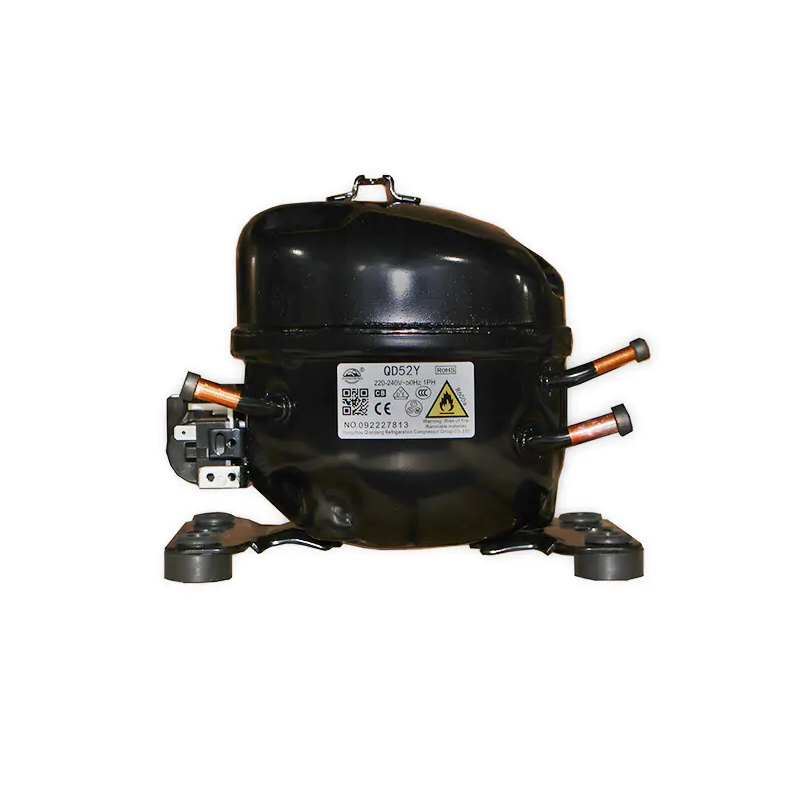
Key Advantages of Refrigerator Compressors
Besides being the power source for the refrigeration cycle, modern refrigerator compressors possess several key technological advantages, making them crucial for ensuring food freshness and enhancing the user experience:
High Efficiency and Energy Saving: Especially compressors using inverter technology can automatically adjust their operating frequency based on changes in the refrigerator's internal temperature. This means they can operate at low power after reaching the set temperature, significantly reducing energy consumption and achieving high energy efficiency.
Precise Temperature Control: A precise compressor can maintain a constant internal temperature, reducing temperature fluctuations, which is crucial for preserving high-end foods. Smaller temperature fluctuations effectively inhibit bacterial growth.
Low-noise operation: With technological advancements, modern refrigerator compressors are designed with noise reduction in mind, employing advanced vibration damping and soundproofing technologies. This allows the refrigerator to operate quietly even at night or in quiet environments, without disturbing daily life.
Long service life: High-quality compressors use wear-resistant materials and precise manufacturing processes, ensuring extremely high reliability and guaranteeing long-term stable operation, providing users with enduring service.
It is the compressor that provides continuous pressure and power, driving the refrigerant to complete these four key phase change and heat transfer steps. Without a compressor, the refrigerant cannot form high pressure, heat cannot be efficiently transferred from the inside of the refrigerator to the outside, and the refrigerator cannot maintain a low temperature.
The refrigerator compressor is the core component ensuring the normal operation of the refrigerator's refrigeration cycle. Through the compression and driving of the refrigerant, it achieves efficient heat transfer, while possessing many advantages such as high energy efficiency, low-noise operation, and precise temperature control, thus keeping your food fresh. Whether it's a traditional fixed-frequency refrigerator compressor or a more energy-efficient variable-frequency refrigerator compressor, they are the core power source of modern refrigeration technology.
FAQ (Frequently Asked Questions)
1. What role does the refrigerator compressor play in the refrigeration cycle?
Answer: The compressor is the core power source of the refrigeration cycle. It is responsible for drawing in low-temperature, low-pressure refrigerant and compressing it into a high-temperature, high-pressure gas, thereby driving heat transfer.
2. What is the working principle of a refrigerator's cooling process?
Answer: A refrigerator does not produce cold; instead, it transfers heat from inside the refrigerator to the outside by allowing the refrigerant to undergo phase changes (gas to liquid, liquid to gas) in the compressor, condenser, expansion valve, and evaporator.
3. What are the main advantages of modern refrigerator compressors?
Answer: The main advantages include high efficiency and energy saving (especially with inverter compressors), precise temperature control, low-noise operation, and long service life.
4. What would happen if there were no refrigerator compressor?
Answer: Without a compressor, the refrigerant cannot form high pressure for circulation, heat cannot be transferred efficiently, and the internal temperature of the refrigerator cannot be lowered or maintained.
 +86-0574-88198229
 +86-17757487298
 Zhejiang Province, Ningbo City, Yinzhou District