
 EN
EN English
 Español
 عربى
عربى русский
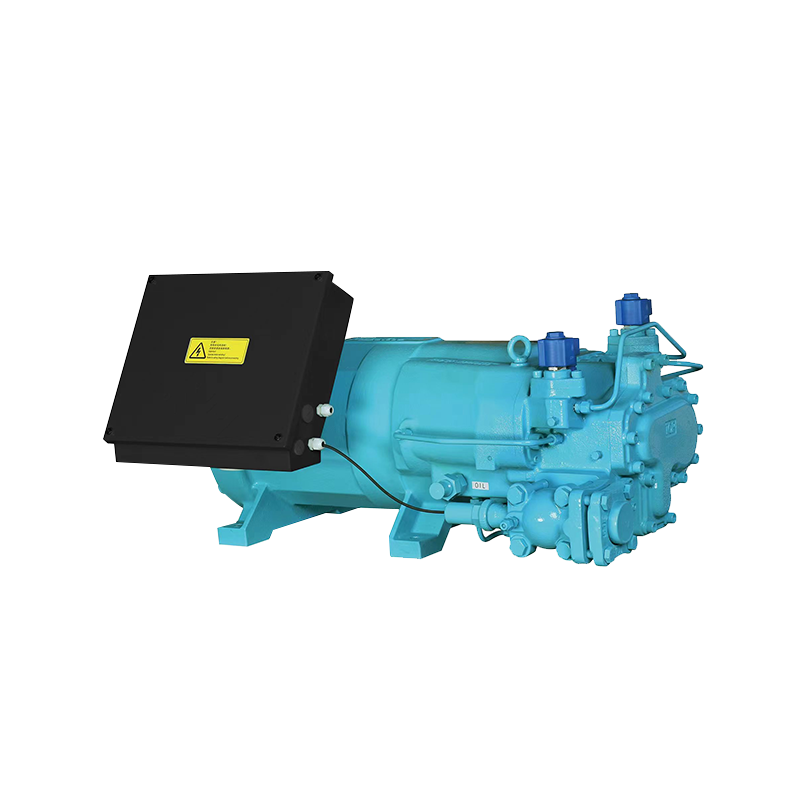
The refrigerator compressor is the heart of your refrigerator, responsible for the core work of the refrigeration cycle. If your refrigerator stops cooling or makes unusual noises, it's likely that the compressor is malfunctioning. Promptly identifying a damaged refrigerator compressor can help you decide whether it needs repair or replacement.
Content
Here are some key signs and inspection steps to identify a damaged refrigerator compressor:
1. Check if the refrigerator is cooling.
The most immediate sign is the temperature inside the refrigerator (especially the freezer).
No cooling at all: If the refrigerator isn't cooling at all, even if the power light is on, there could be a serious problem with the compressor or refrigeration system.
Poor cooling: If the refrigerator runs for extended periods without cooling properly, resulting in food spoiling quickly, this could mean the compressor is inefficient.
2. Listen to the compressor.
A normal refrigerator compressor will emit a low, steady hum during startup and operation.
Unusual noises: If you hear a harsh metallic grinding sound, knocking noise, or a continuous clicking sound (from a failed startup attempt), it's often a sign of damage to the compressor's internal mechanical components.
Completely Silent: The refrigerator is plugged in, but the compressor makes no sound when starting or running. This could indicate a problem with the compressor circuit or starter. Note: Modern refrigerators have a defrost cycle, which temporarily stops the compressor. Please observe for a while to confirm.
3. Touch the Compressor Housing
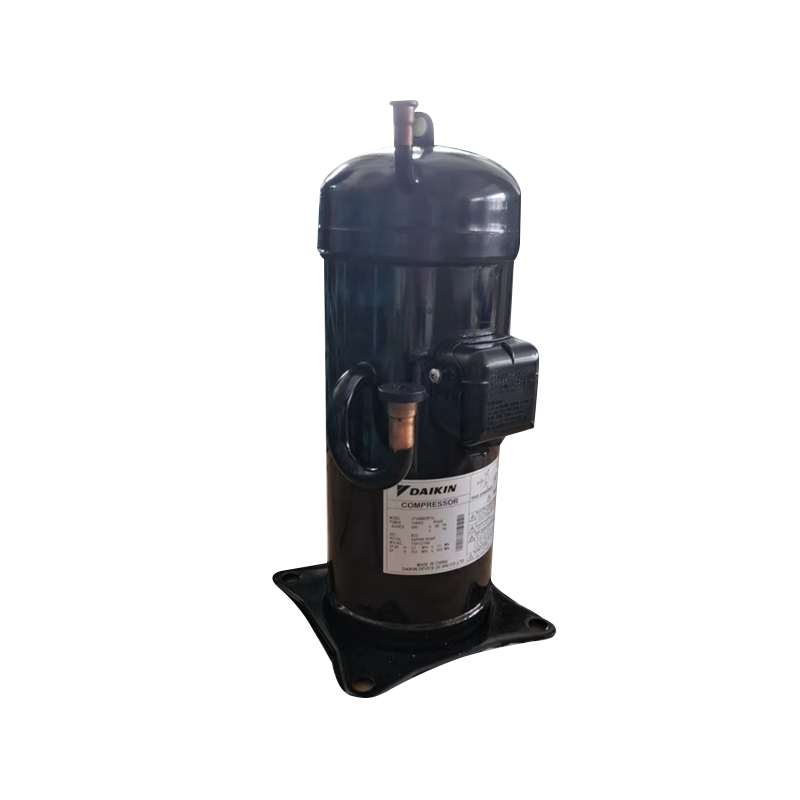
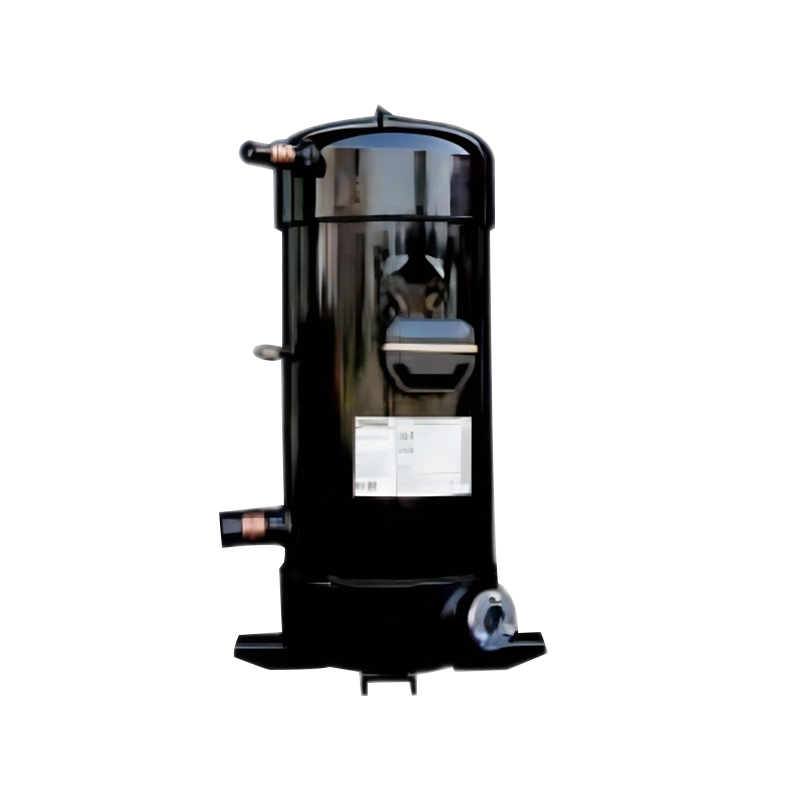
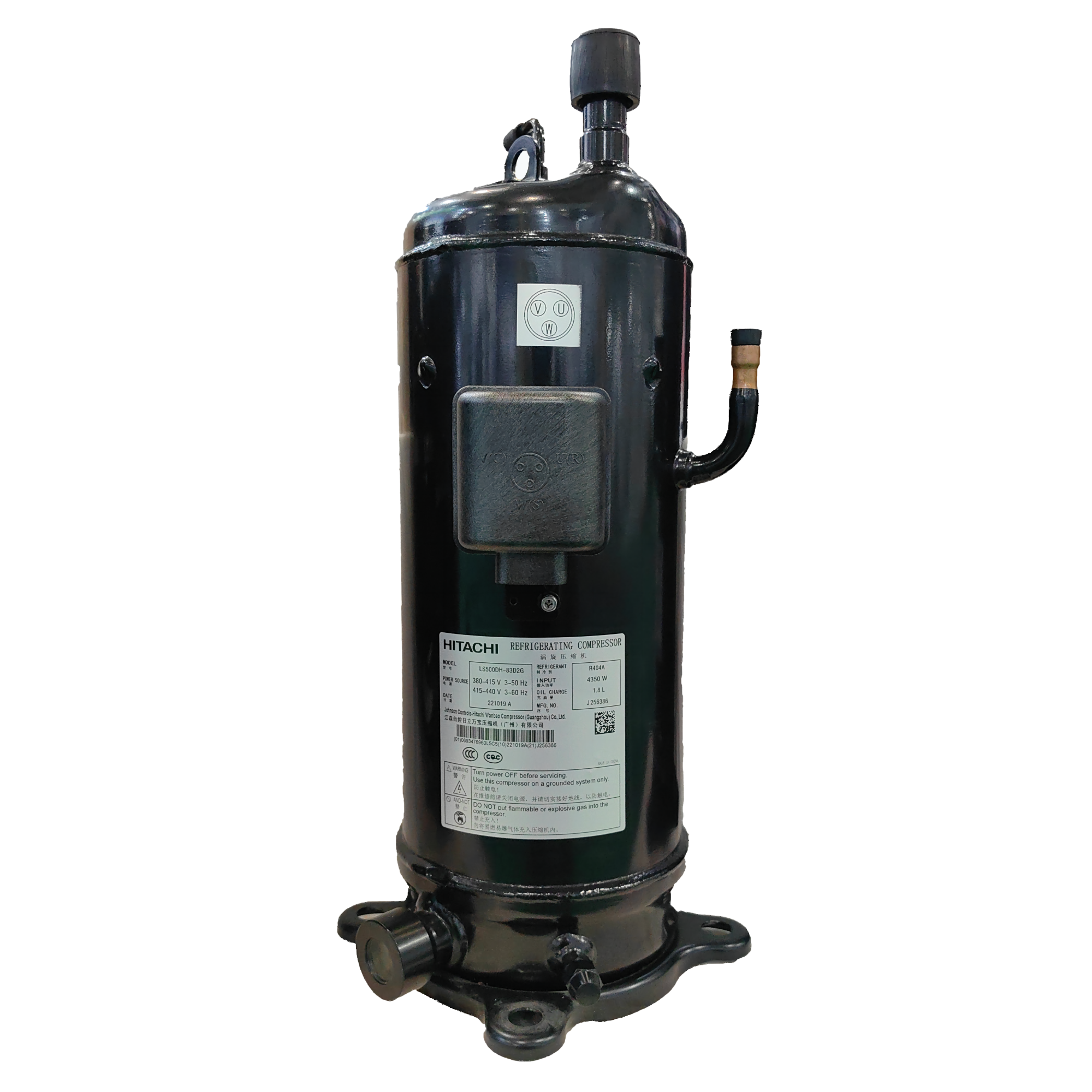
It is normal for the refrigerator compressor to heat up during operation. The compressor is located at the lower back of the refrigerator and is a black, can-shaped object.
Overheating: If the compressor housing feels abnormally hot, even too hot to touch, this could indicate excessive operating pressure inside the compressor, a short circuit in the motor windings, or poor heat dissipation, which could cause the compressor protector to trip frequently.
Cold to the Touch: If the refrigerator is plugged in, but the compressor housing remains cold and shows no signs of heating, it is likely that the compressor is not starting or running.
4. Check the Start Relay and Overload Protector (O/L/P)
The Start Relay and Overload Protector are critical components for compressor starting and safe operation.
Relay Failure: A relay failure often manifests as the compressor making a clicking sound but failing to start, or repeatedly failing to start. Have a professional measure the resistance of these components to determine if they are damaged.
Protector Tripping: The overload protector is a safety device designed to prevent the compressor from overheating or drawing excessive current. Frequent tripping can indirectly indicate an internal overload problem within the compressor.
5. Measuring Current and Voltage
This is the most professional diagnostic method and usually requires tools such as a multimeter. It is recommended that this be performed by a professional repair technician.
Measuring Operating Current: A properly operating refrigerator compressor will have a certain operating current range. If the measured current is significantly higher or lower than the rated value, the compressor may have a mechanical blockage or motor problem.
Measuring Winding Resistance: By measuring the motor winding resistance at the compressor terminals, you can determine if the motor winding is short-circuited or open-circuited.
If you notice abnormal cooling in your refrigerator, you can first determine the problem by measuring the sound and temperature. If the problem is determined to be with the refrigerator compressor, repair or replacement requires specialized skills and tools, as compressors are high-precision components and involve refrigerants.
Do-it-yourself disassembly or repair is not recommended. Contact a professional appliance repair service immediately. They will confirm the compressor is damaged and provide a replacement or repair plan to ensure your refrigerator is restored to normal operation as quickly as possible.
 +86-0574-88198229
 +86-17757487298
 Zhejiang Province, Ningbo City, Yinzhou District