
 EN
EN English
 Español
 عربى
عربى русский
In the refrigeration and air conditioning industry, compressors are considered the "heart" of the system. Based on their structural sealing methods, compressors are mainly divided into three types: hermetic, semi-hermetic, and open. For many engineering projects and industrial chiller units, semi-hermetic compressors have become the mainstream choice in the market due to their excellent maintainability and high efficiency.
Content
I. What is a Semi-Hermetic Compressor?
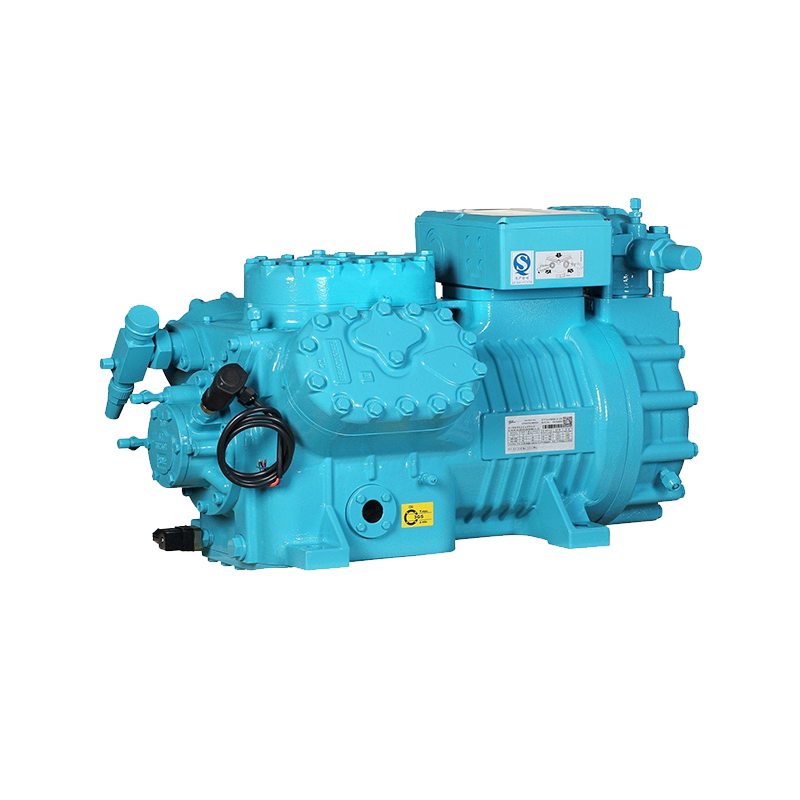
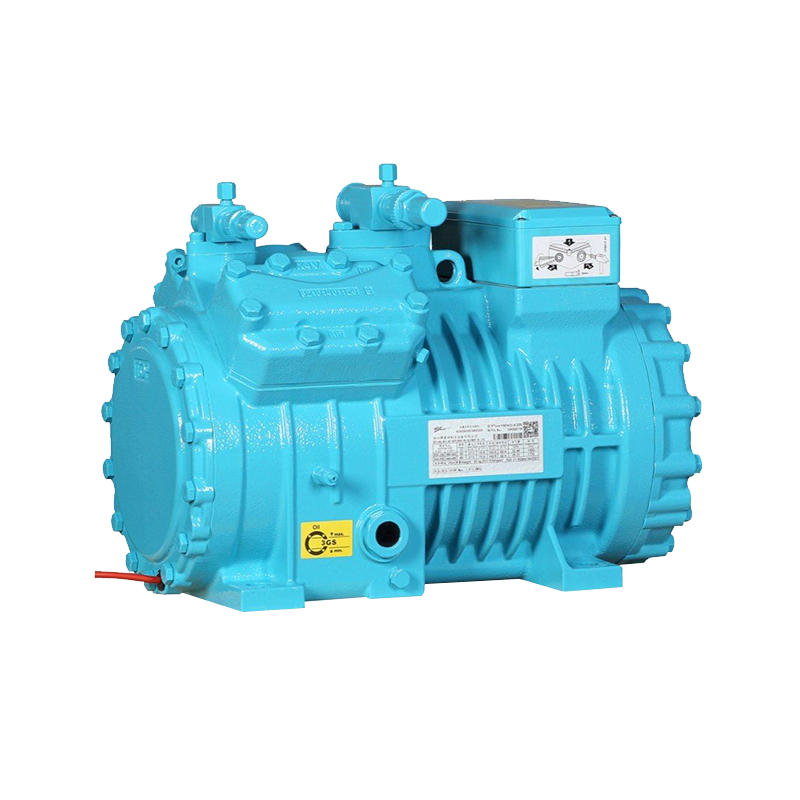
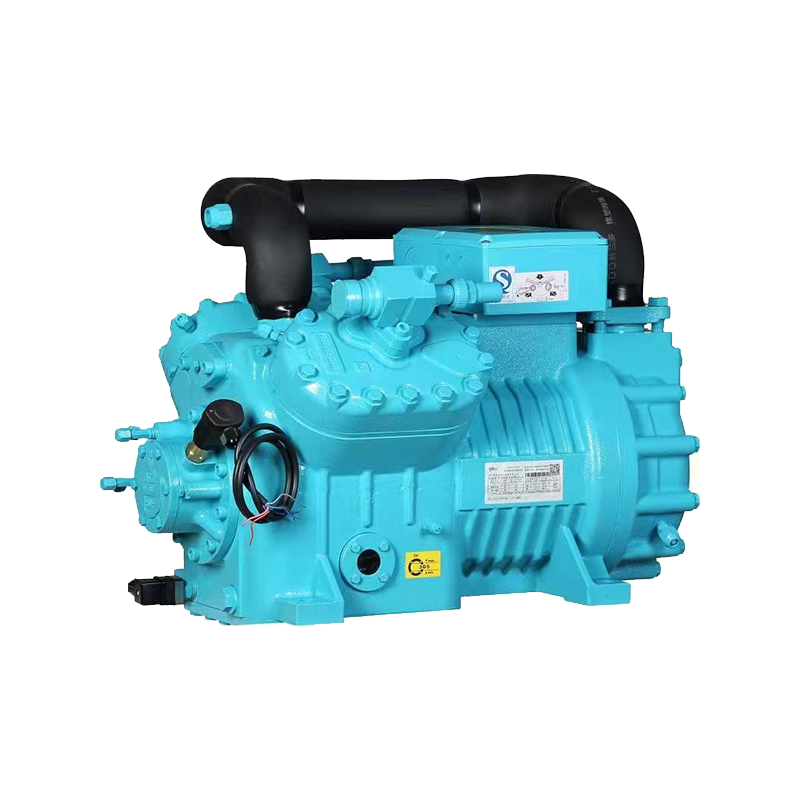
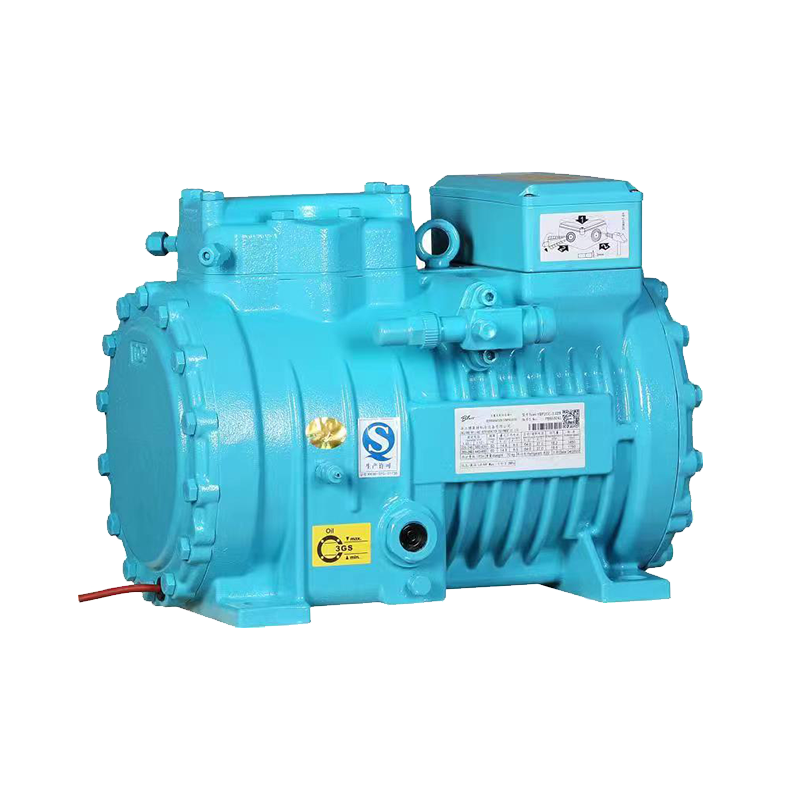
A semi-hermetic compressor refers to a compressor whose motor and compressor body are installed in the same housing, but the housing is not welded shut; instead, it is sealed by bolts and gaskets.
Key Features:
High Maintainability: This is its biggest advantage. When internal valves, crankshaft, or motor malfunctions, the housing can be disassembled for parts replacement or motor rewinding.
High Cooling Efficiency: The motor is typically cooled by the intake of low-temperature refrigerant vapor, resulting in minimal heat loss.
Good Sealing: Compared to open compressors, it eliminates the risk of shaft seal leakage.
Application Scenarios: Due to their moderate power range (typically between 5HP and several hundred HP), semi-hermetic compressors are widely used in commercial cold storage, supermarket display cases, central air conditioning units, and various medium to large-sized industrial refrigeration equipment.
II. What is a Hermetic Compressor?
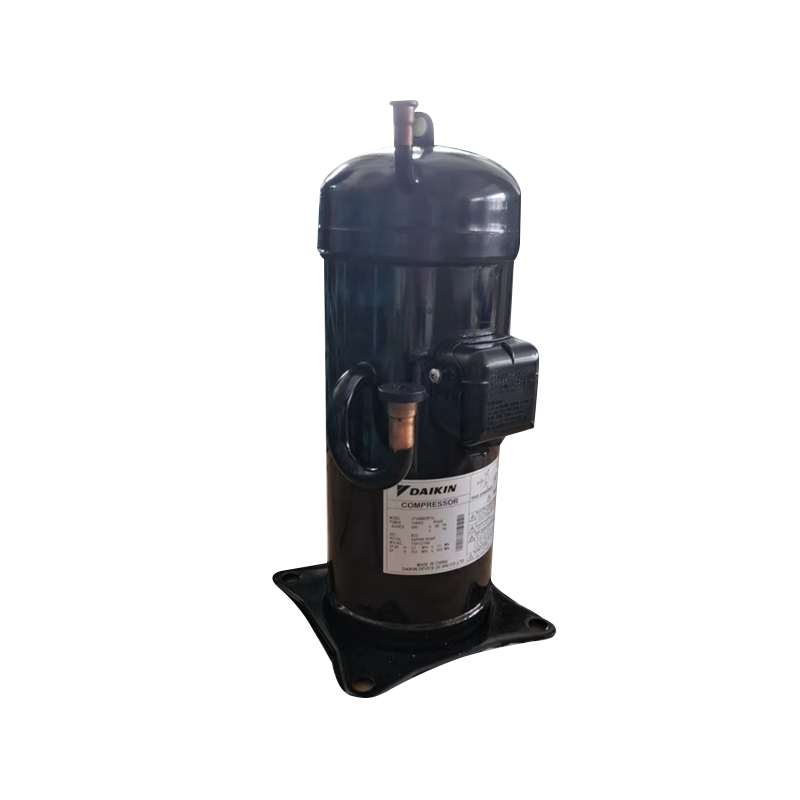
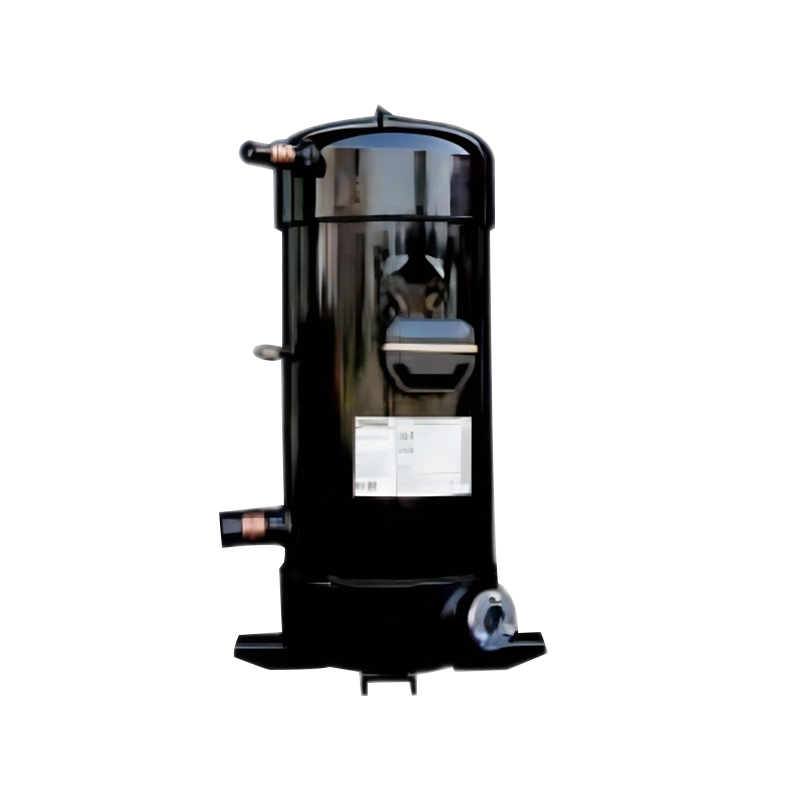
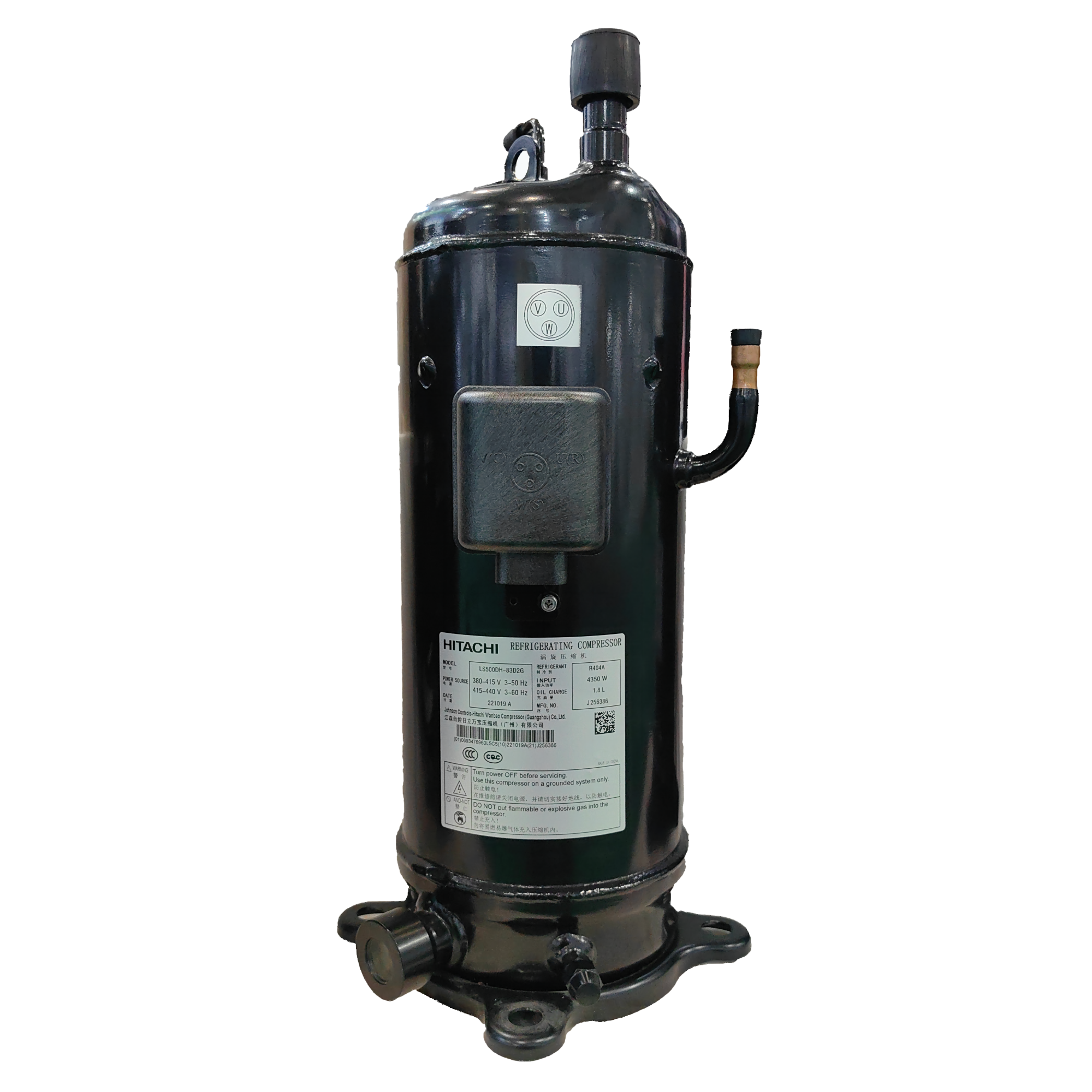
A hermetic compressor seals the electric motor and compressor mechanism within a welded steel casing. From the outside, only the intake pipe, exhaust pipe, and power terminals are visible.
Key Features:
Absolutely Sealed: The welded casing greatly reduces the probability of refrigerant leakage.
Low Noise: Compact internal structure, usually with shock-absorbing springs, ensures smooth operation.
Non-Repairable: Once the internal motor burns out or mechanical wear occurs, it cannot be disassembled for repair; it usually requires complete replacement.
Low Cost: Simple structure, suitable for large-scale automated production.
Application Scenarios: Primarily used in low-power household or light commercial equipment, such as household refrigerators, window air conditioners, split-type air conditioners, and small dehumidifiers.
III. Semi-Hermetic vs. Hermetic: In-Depth Comparison
Understanding the structural and performance differences between the two types of refrigeration equipment is crucial when choosing one. The following is an in-depth analysis from four key dimensions:
Casing Connection and Sealing Method
Hermetic Compressor: Uses a welded, sealed steel casing; the internal motor and compressor mechanism are completely welded together. This design offers excellent sealing performance, virtually eliminating the risk of refrigerant leakage.
Semi-Hermetic Compressor: The casing is bolted together and sealed with gaskets. While the sealing requirements are higher than for hermetic compressors, its structure allows for physical disassembly.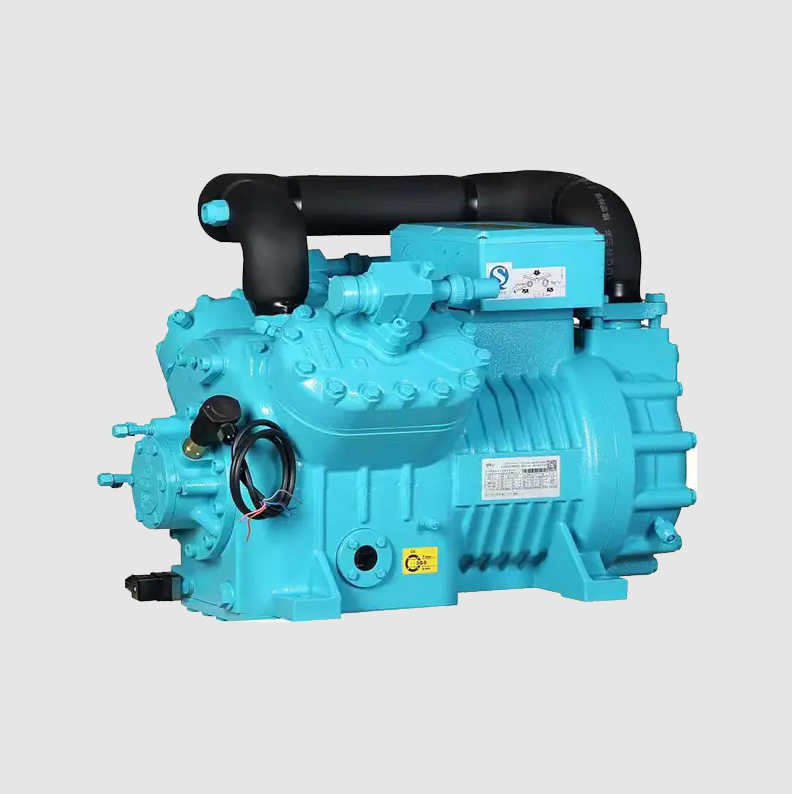
Maintainability and After-Sales Costs
Hermetic Compressor: Considered a "disposable" product. Once the internal coils burn out or mechanical parts wear out, disassembly for repair is impossible, typically requiring complete replacement.
Semi-Hermetic Compressor: Offers extremely high maintainability. When the equipment malfunctions, technicians can disassemble the casing to precisely repair or replace internal valves, crankshafts, or motors, significantly extending the overall lifespan of the equipment.
Power Range and Application Scale
Herm-type compressors: Primarily used in low-power applications, typically ranging from several hundred watts to tens of kilowatts. Commonly found in light refrigeration equipment such as household refrigerators and air conditioners.
Semi-herm-type compressors: Offer an extremely wide power range, capable of handling medium to large industrial loads. They are the preferred solution for commercial cold storage, central air conditioning units, and large-scale chemical refrigeration projects.
Manufacturing Cost and Model Representatives
Herm-type compressors: Simple in structure, suitable for automated large-scale production lines, resulting in lower unit costs. Typical examples include household rotary compressors and small scroll compressors.
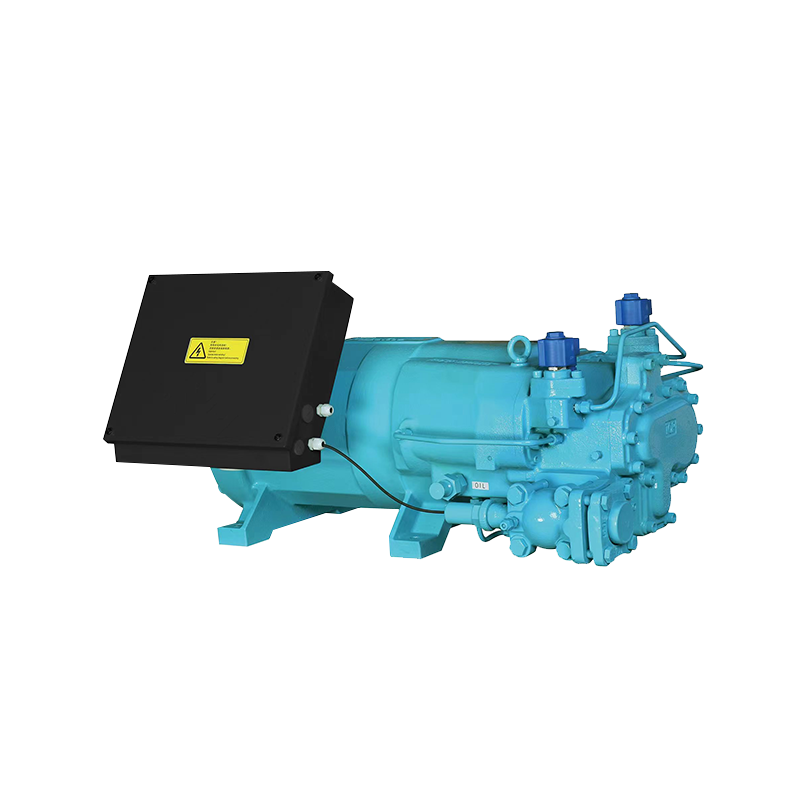
Semi-herm-type compressors: Relatively complex in manufacturing processes, requiring high material strength, thus resulting in higher initial purchase costs. Common models include medium to large-sized semi-herm-type reciprocating compressors and semi-hermetic compressors such as screw compressors.
IV. Why do large and medium-sized projects prefer semi-herm-type compressors?
In industrial applications, equipment durability and life-cycle cost are core considerations. Semi-hermetic compressors are favored primarily for the following reasons:
Reduced long-term investment costs: Although the initial purchase price is higher than fully hermetic compressors, their long service life of 10-15 years and the "repairable" nature avoids the huge expenses of frequent replacements of the entire unit.
Adaptability to complex operating conditions: In cold chain logistics or chemical cooling, where load variations are large, semi-hermetic compressors (especially screw compressors) exhibit excellent operational stability and energy efficiency.
The choice of compressor depends on your budget, maintenance capabilities, and application scale. If you are looking for a core component for a residential air conditioner, a fully hermetic compressor is an economical choice; however, if you are responsible for cold storage construction, computer room air conditioning, or industrial cooling projects, then a semi-hermetic compressor is undoubtedly a superior solution to ensure the long-term stable operation of the system.
 +86-0574-88198229
 +86-17757487298
 Zhejiang Province, Ningbo City, Yinzhou District