
 EN
EN English
 Español
 عربى
عربى русский
In the sweltering summer or the frigid winter, air conditioners provide us with a comfortable temperature environment. But do you know what the core component driving this comfort is? It's the air conditioner compressor, often referred to as the "heart" of the air conditioner.
Content
What is an air conditioner compressor?
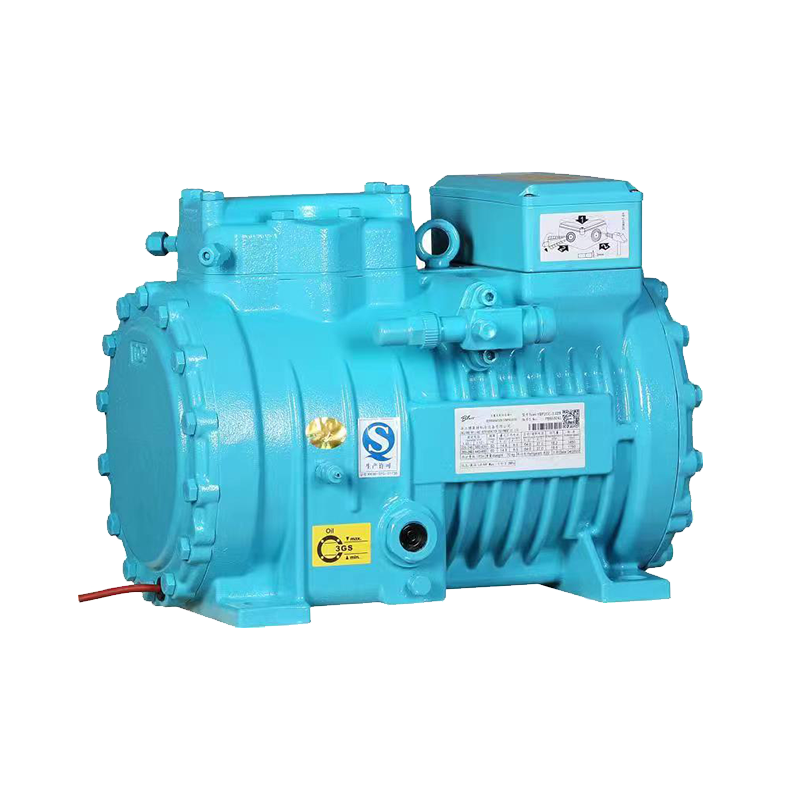
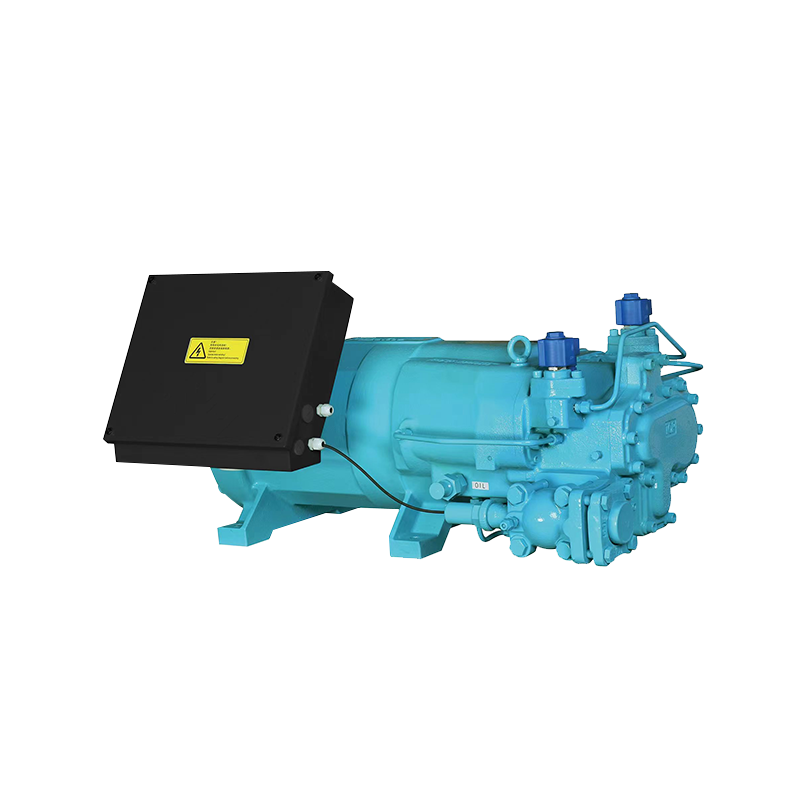
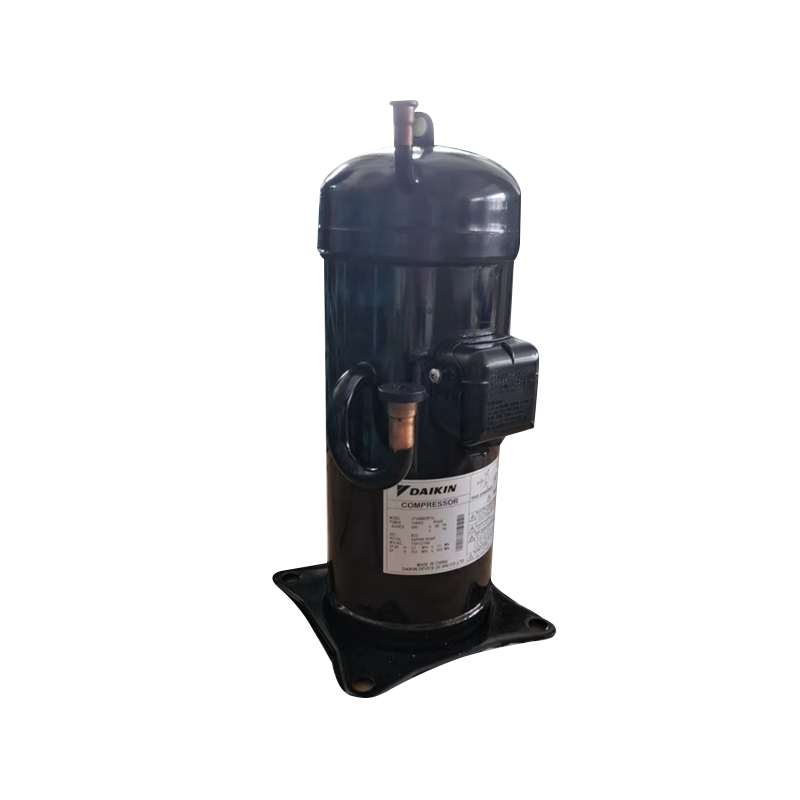
An air conditioner compressor is the most important component in an air conditioning refrigeration system. Its main function is to compress and transport refrigerant (such as Freon). In short, it's a booster pump that changes the pressure and temperature of the refrigerant, enabling it to circulate within the air conditioner and complete the heat transfer.
The core working principle of an air conditioner compressor
The operation of an air conditioner compressor is based on the refrigeration cycle, also known as vapor compression refrigeration. This cycle mainly involves four key processes and four main components:
1. Compression
The work begins here. The air conditioner compressor draws in low-temperature, low-pressure gaseous refrigerant (from the evaporator). Through mechanical work (such as piston, scroll, or rotor motion), this gas is compressed. According to thermodynamic principles, after the gas is compressed, its temperature and pressure increase dramatically.
2. Condensation
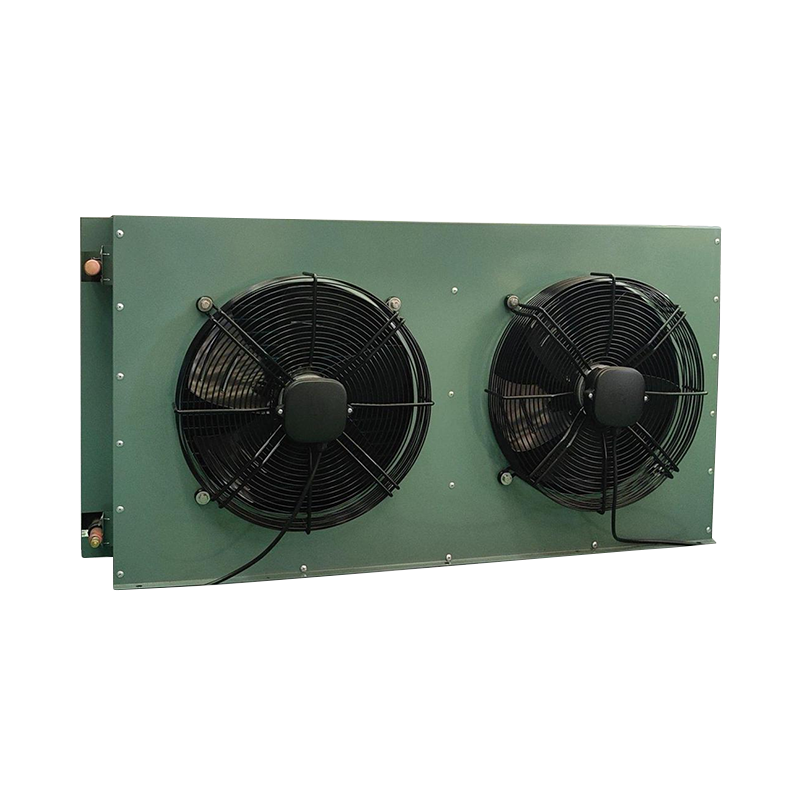
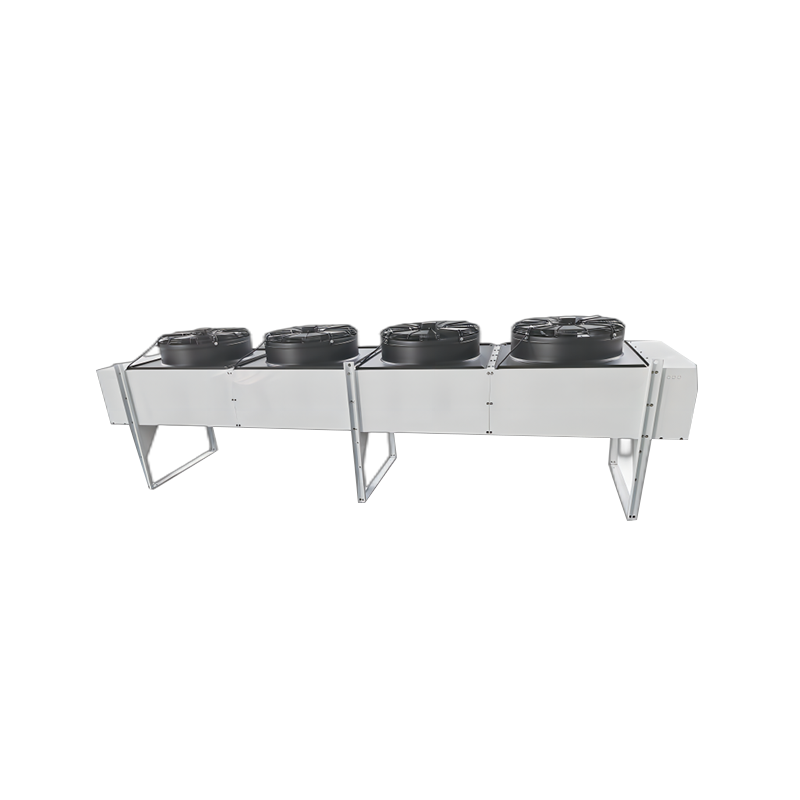
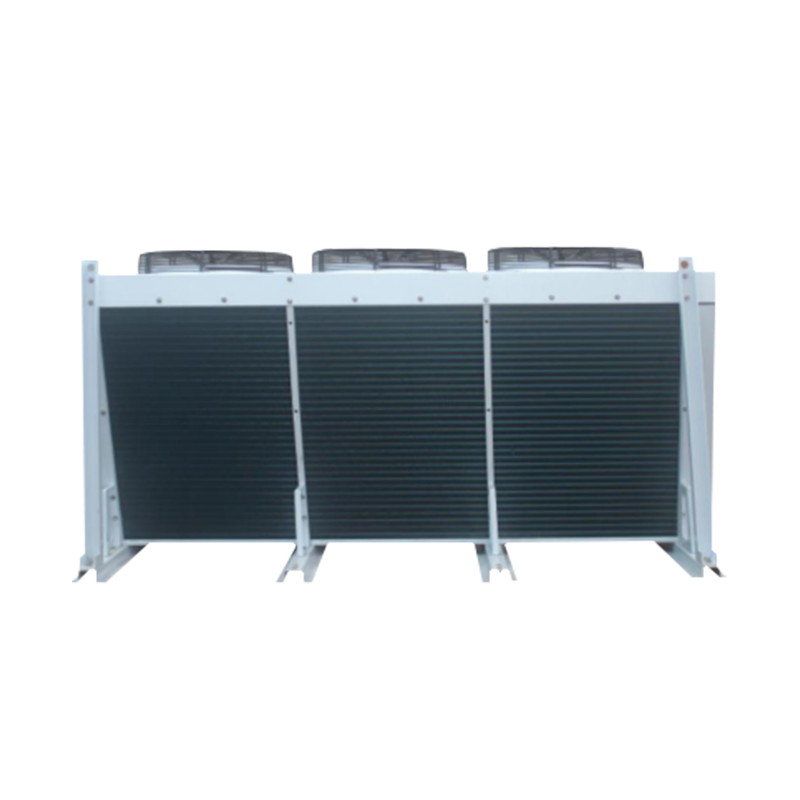
The high-temperature, high-pressure refrigerant is transported to the outdoor condenser. Here, the refrigerant releases its heat to the outdoor air (or water), its own temperature decreases, and it transforms into a high-pressure, medium-temperature liquid refrigerant.
3. Expansion
The liquid refrigerant then flows through a throttling device (such as an expansion valve or capillary tube). This is a crucial pressure reduction process. When a high-pressure liquid suddenly passes through a narrow channel, its pressure drops significantly.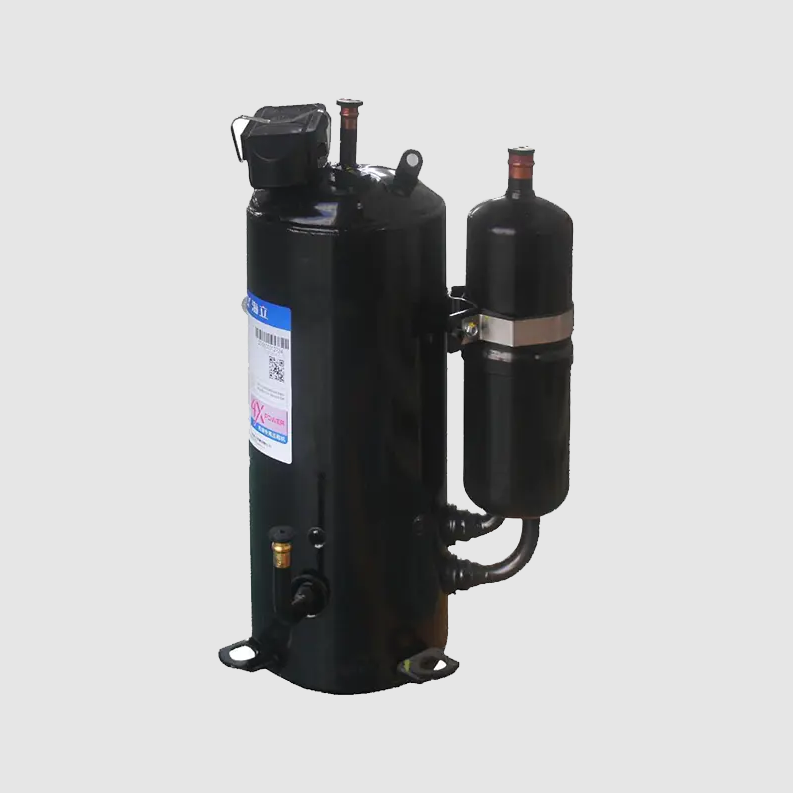
4. Evaporation
The low-temperature, low-pressure liquid refrigerant enters the indoor evaporator. It absorbs heat from the indoor air, its temperature rises, and it completely vaporizes into a low-temperature, low-pressure gaseous refrigerant. It is this heat absorption process that removes heat from the room, achieving the cooling effect.
After evaporation, the gaseous refrigerant is drawn back into the air conditioner compressor to begin the next cycle.
Common Types of Air Conditioning Compressors
With technological advancements, the structure of air conditioning compressors is constantly being optimized to achieve higher energy efficiency and lower noise. Common types include:
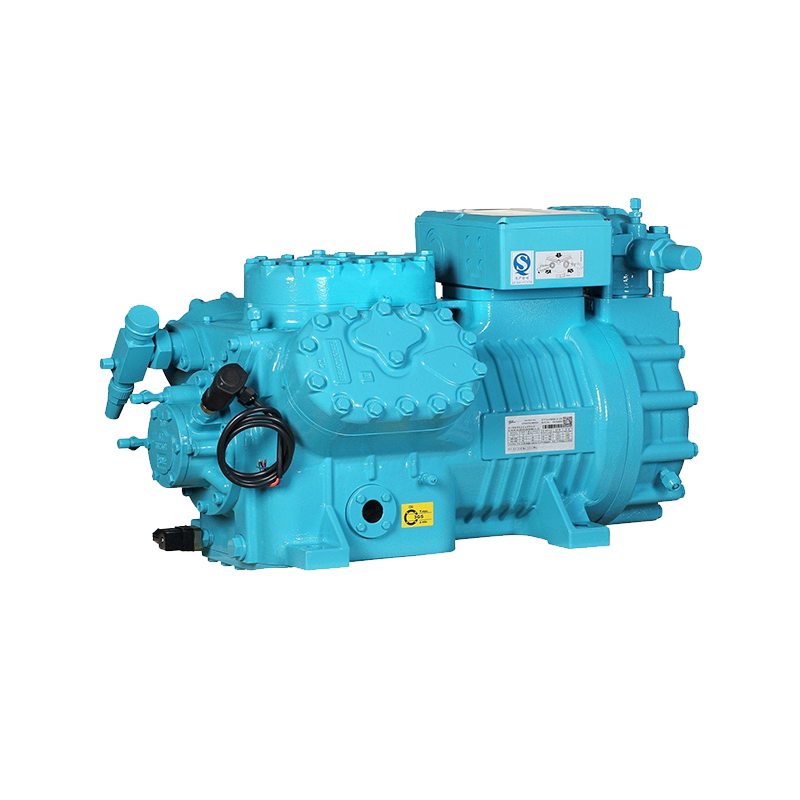
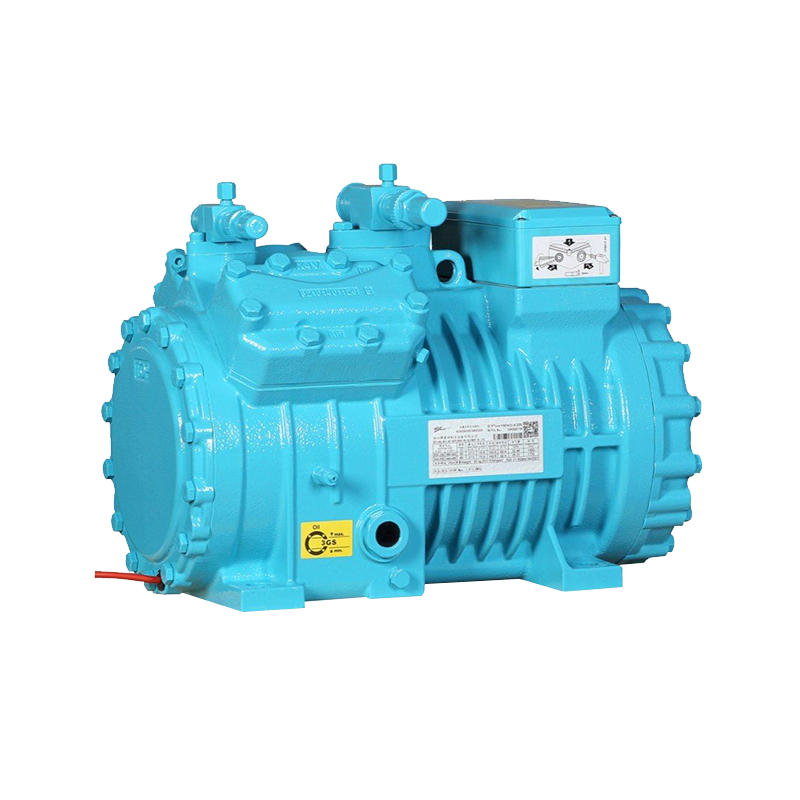
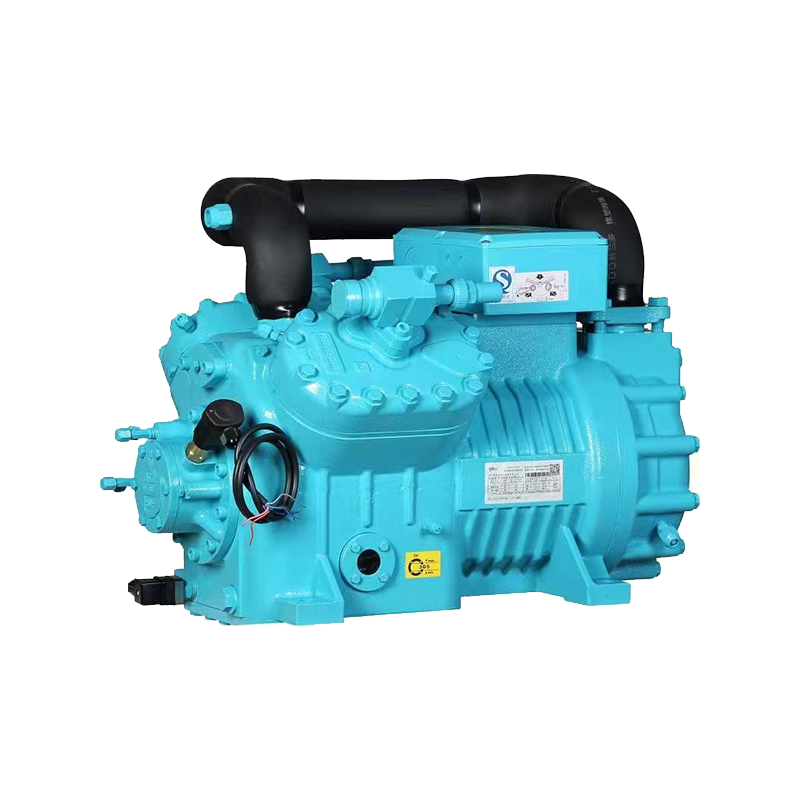
- Reciprocating compressors: A long-established type, they compress refrigerant through the reciprocating motion of a piston.
- Roller compressors: Commonly found in household air conditioners, they compress refrigerant through the rotation of a rotor; they are compact and quiet.
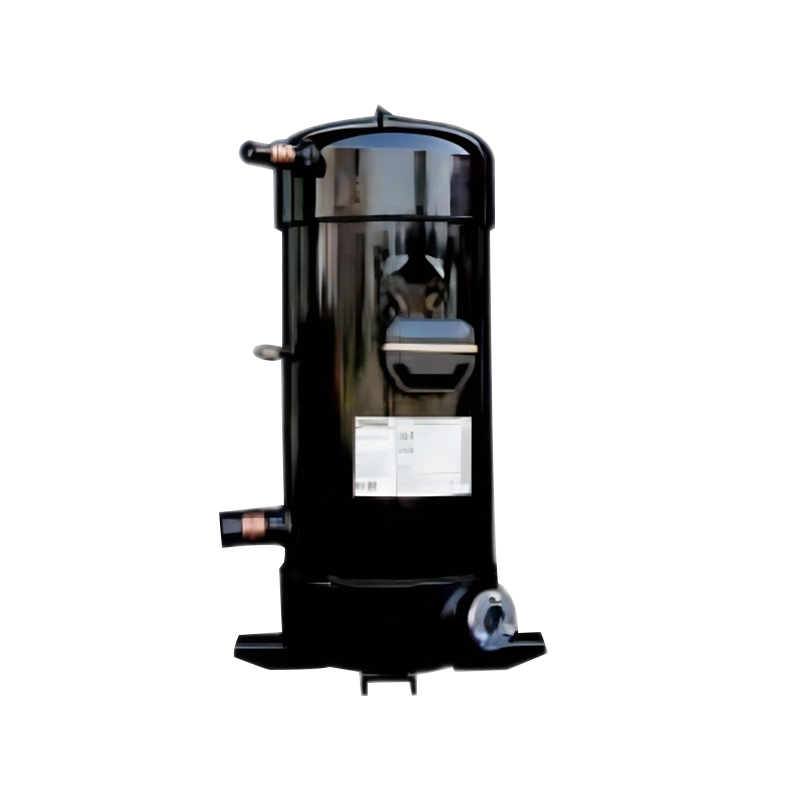
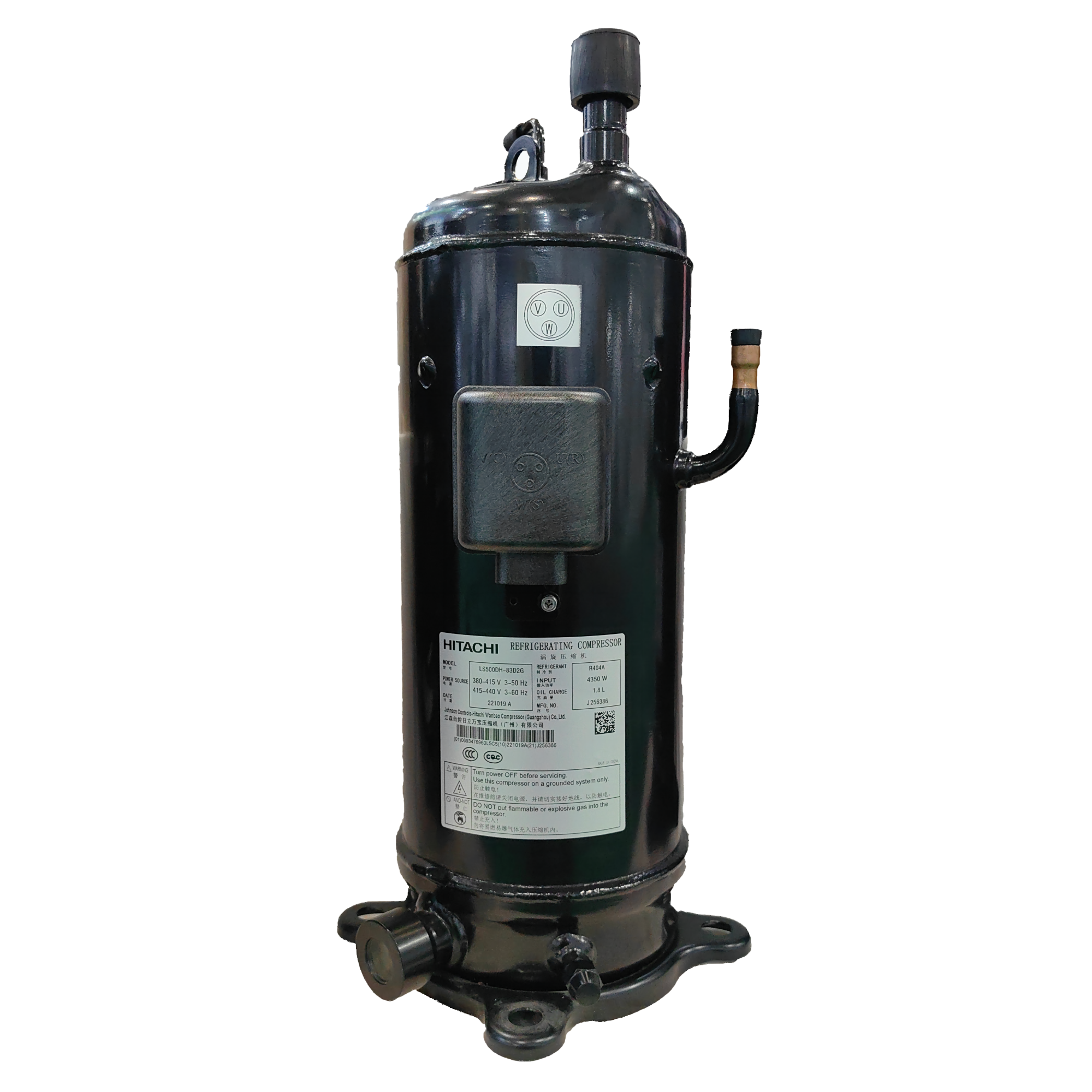
- Scroll compressors: High energy efficiency and stable operation, they are the preferred choice for high-end and commercial air conditioners.
- Inverter compressors: The most advanced technology, they automatically adjust their speed according to changes in indoor heat load, thus precisely controlling cooling capacity and achieving energy savings.
Why are air conditioner compressors so important for energy efficiency?
The air conditioner compressor is the most energy-consuming component in the entire air conditioning system. Its energy efficiency ratio (EER/SEER) directly determines the air conditioner's power consumption and cooling effect.
A higher energy efficiency compressor means it performs more heat transfer work with less electricity, thus saving users electricity bills.
The application of inverter technology allows the compressor to operate continuously and efficiently, rather than simply being "on" or "off," which is key to modern energy-saving air conditioning.
The air conditioner compressor is the core of an air conditioner. It drives the entire refrigeration cycle by compressing, pressurizing, and transporting the refrigerant. Whether it's the cold winter or the sweltering summer, it is the tireless work of this "heart" that allows us to enjoy a constant and comfortable living environment.
 +86-0574-88198229
 +86-17757487298
 Zhejiang Province, Ningbo City, Yinzhou District