
 EN
EN English
 Español
 عربى
عربى русский
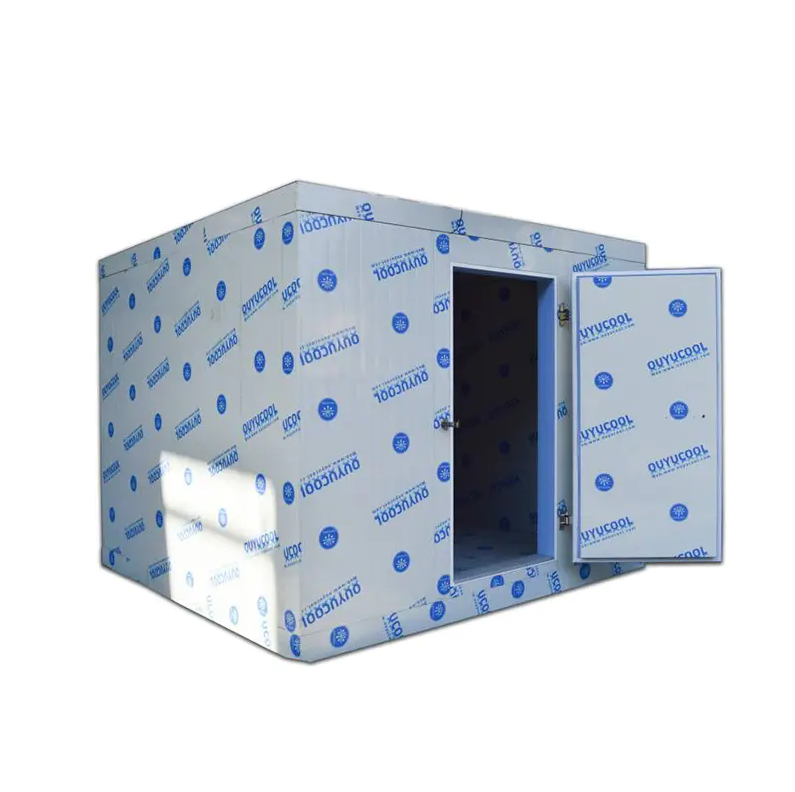
The most common problems in a Cold Room include temperature abnormalities, excessive frost or ice buildup, water accumulation, persistent odors, food spoilage, and increased noise levels. These issues are usually related to improper temperature settings, aging door seals, clogged drainage holes, or poor usage habits. Through regular cleaning, proper food arrangement, correct temperature control (recommended at 2°C–5°C), and maintaining the sealing system, most Cold Room problems can be effectively prevented.
Content
- 1 Temperature Abnormalities in the Cold Room: Too Cold or Not Cold Enough
- 2 Frost and Ice Buildup: Reduced Cooling Efficiency
- 3 Water Accumulation: Drainage Blockage Is the Main Cause
- 4 Persistent Odors: Bacterial Growth Is the Key Factor
- 5 Food Spoilage: Improper Storage Methods
- 6 Abnormal Noise: Equipment Aging or Improper Placement
- 7 How to Maintain Stable Cold Room Operation Long-Term
Temperature Abnormalities in the Cold Room: Too Cold or Not Cold Enough
Unstable temperature is one of the most common Cold Room issues. According to national household appliance standards, the ideal temperature for a Cold Room should be maintained between 2°C and 5°C.
Common Symptoms:
- When the temperature rises above 7°C, food shelf life is significantly reduced. For example, cooked food stored at 7°C for more than 24 hours experiences a rapid increase in bacterial growth.
- When the temperature drops below 0°C, fruits and vegetables may suffer from freezing damage and dehydration.
Causes:
- Temperature control settings are too high or too low.
- Frequent opening of the Cold Room door, causing temperature fluctuations.
- Overloading the Cold Room with food, which obstructs cold air circulation.
Solutions:
- Use a thermometer to measure the actual temperature inside the Cold Room.
- Ensure at least 20% of internal space is left for air circulation.
- Avoid leaving the refrigerator door open for long periods (limit each opening to about 30 seconds).
Frost and Ice Buildup: Reduced Cooling Efficiency
Many users report thick frost or ice forming on the rear wall of the Cold Room. When frost thickness exceeds 5 mm, cooling efficiency can be noticeably affected.
Common Causes:
- Placing hot food directly into the Cold Room, causing moisture condensation.
- Aging door seals allowing external humidity to enter.
- Malfunctioning temperature controllers that cause the compressor to run continuously.
Data Insight:
- When frost thickness reaches 1 cm, energy consumption may increase by 10%–15%.
Improvement Measures:
- Allow hot food to cool to room temperature before storing.
- Regularly inspect the elasticity of door seals and replace them if cracked.
- Defrost the Cold Room every 3–6 months.
Water Accumulation: Drainage Blockage Is the Main Cause
Water pooling at the bottom of the Cold Room is often caused by a clogged drainage hole.
Specific Signs:
- Water under the bottom drawers.
- Accompanied by unpleasant odors.
Causes:
- Vegetable debris or food residue blocking the drainage hole.
- Condensed water unable to flow into the evaporation tray.
Solutions:
- Use a flexible tube or special cleaning tool to unclog the drainage hole.
- Regularly clean vegetable compartments.
- Check the drainage outlet at least once a month.
Persistent Odors: Bacterial Growth Is the Key Factor
Odors in the Cold Room are usually caused by food spoilage or bacterial growth. Studies show that bacterial counts inside refrigerators can reach hundreds to thousands per square centimeter.
Common Causes:
- Food not stored in sealed containers.
- Mixing raw and cooked foods.
- Cleaning frequency less than once per month.
Recommended Actions:
- Use airtight containers for categorized storage.
- Separate raw and cooked foods to prevent cross-contamination.
- Thoroughly clean the Cold Room interior at least once a month.
- Place activated charcoal or baking soda inside to absorb odors.
Food Spoilage: Improper Storage Methods
Even when temperature is normal, food may spoil prematurely.
Causes Include:
- Incorrect placement, such as storing dairy products on the door shelf (the area with the most temperature fluctuation).
- Exceeding recommended storage times (e.g., cooked meat should be consumed within 3 days).
- Lack of sealing, leading to moisture loss.
Scientific Storage Recommendations:
- Upper shelves: suitable for cooked and ready-to-eat foods.
- Middle shelves: suitable for dairy products.
- Lower shelves: coldest area, suitable for raw meat (store separately and sealed).
- Drawers: ideal for fruits and vegetables, with humidity controlled at 85%–90% for better preservation.
Abnormal Noise: Equipment Aging or Improper Placement
A Cold Room typically operates at 38–45 decibels, which is considered normal. If noise levels increase significantly, potential issues may include:
Possible Causes:
- The refrigerator is not placed level.
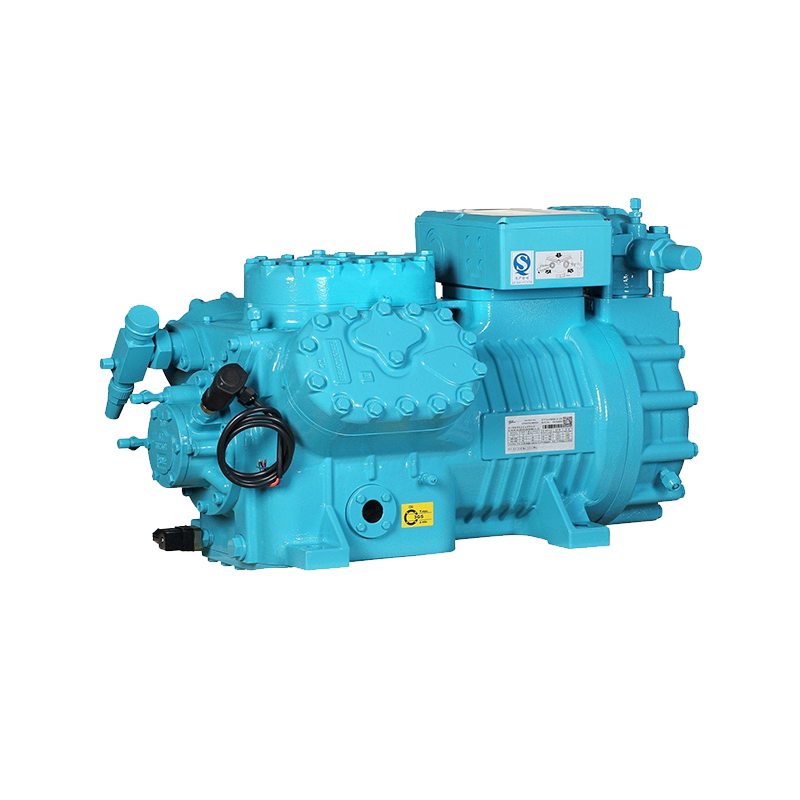
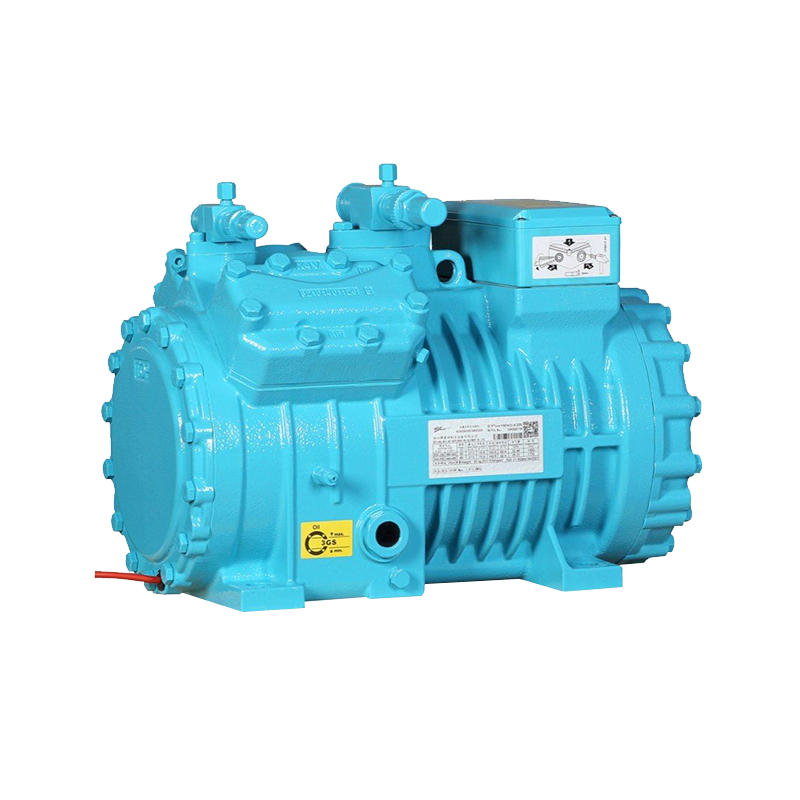
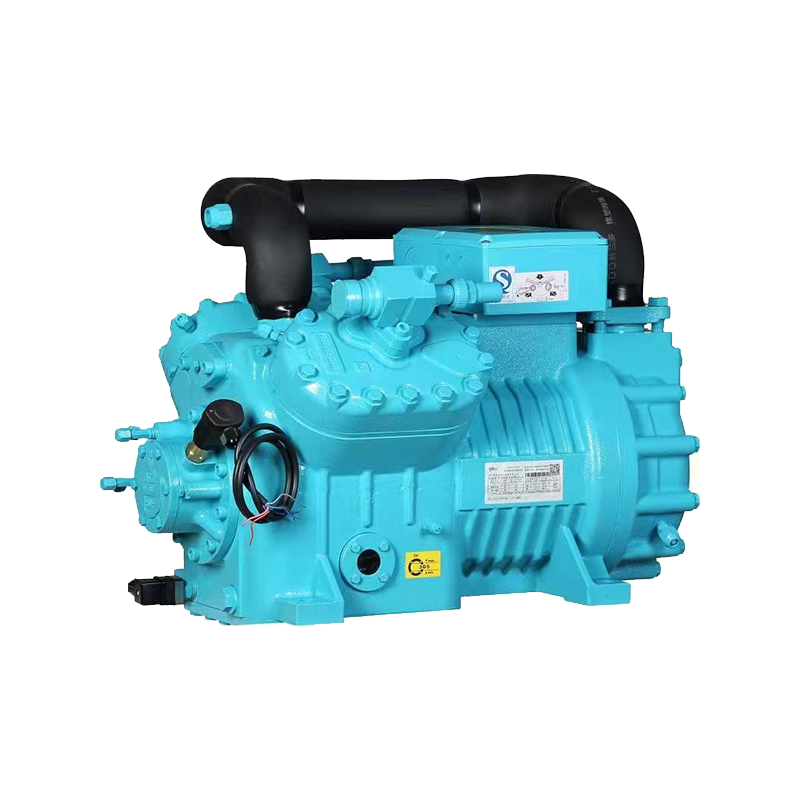
- Aging compressor.
- Items inside touching the interior wall and causing vibration resonance.
Solutions:
- Adjust the refrigerator’s feet to ensure level placement.
- Ensure at least 5 cm of space behind the unit for proper ventilation.
- If abnormal noise persists, consult a professional technician.
How to Maintain Stable Cold Room Operation Long-Term
To reduce the likelihood of Cold Room problems, follow these maintenance principles:
- Maintain temperature between 2°C and 5°C.
- Clean regularly (at least once per month).
- Inspect door seals every six months.
- Avoid overloading (keep capacity under 80%).
- Minimize frequent and prolonged door opening.
According to industry statistics, proper maintenance can extend refrigerator lifespan by 2–3 years and reduce energy consumption by 8%–12%.
Most Cold Room problems are related to daily usage habits and routine maintenance. By mastering proper temperature control, organizing food scientifically, and performing regular cleaning and maintenance, you can improve cooling performance, extend equipment lifespan, and reduce electricity costs. Developing good Cold Room usage habits is essential for ensuring food safety and maintaining quality of life.
 +86-0574-88198229
 +86-17757487298
 Zhejiang Province, Ningbo City, Yinzhou District