
 EN
EN English
 Español
 عربى
عربى русский
Understanding what a compressor does in an air conditioner is essential for homeowners who want to maintain optimal cooling performance, troubleshoot issues early, and make informed decisions about repairs or replacements. This comprehensive guide explores the compressor's function, working principles, types, common problems, and maintenance strategies.
Content
- 1 The Primary Function of an AC Compressor
- 2 How Does an Air Conditioner Compressor Work?
- 3 Types of Air Conditioner Compressors: A Detailed Comparison
- 4 AC Compressor vs. Other HVAC Components
- 5 Common AC Compressor Problems and Symptoms
- 6 Essential AC Compressor Maintenance Tips
- 7 DIY Troubleshooting Before Calling a Professional
- 8 Frequently Asked Questions About AC Compressors
- 8.1 How long does an AC compressor typically last?
- 8.2 How much does it cost to replace an AC compressor?
- 8.3 Can I run my AC with a bad compressor?
- 8.4 What causes an AC compressor to fail?
- 8.5 Is it better to repair or replace a compressor?
- 8.6 What is the difference between a single-stage and variable-speed compressor?
- 8.7 Can a dirty filter damage the compressor?
- 8.8 Why is my compressor humming but not starting?
- 9 Conclusion: Protecting Your AC Compressor Investment
The Primary Function of an AC Compressor
The compressor serves as the powerhouse of your air conditioning system by performing two critical functions: pressurizing refrigerant gas and pumping it through the entire cooling cycle. When refrigerant enters the compressor from the evaporator, it is in a low-pressure, warm gaseous state. The compressor compresses this gas, significantly increasing both its pressure and temperature.
This pressurization process is crucial because it enables the refrigerant to release heat when it reaches the condenser coils. Without adequate pressure, the refrigerant cannot effectively transfer heat from inside your home to the outside environment. The compressor essentially creates the driving force that moves refrigerant through the evaporator, condenser, and expansion valve in a continuous cycle.
Key Responsibilities of the Compressor:
- Circulation: Pumps refrigerant through the entire HVAC system
- Pressurization: Increases refrigerant pressure for effective heat transfer
- Temperature Elevation: Raises refrigerant temperature above outdoor ambient temperature
- Cycle Maintenance: Ensures continuous refrigeration cycle operation
How Does an Air Conditioner Compressor Work?
The air conditioner compressor operates through a four-stage refrigeration cycle that continuously removes heat from indoor spaces. Understanding this process helps clarify why the compressor is indispensable for cooling.
Step 1: Refrigerant Intake
Low-pressure, warm refrigerant gas enters the compressor from the evaporator coil located inside your home. At this stage, the refrigerant has absorbed heat from indoor air and needs to be pressurized to release that heat outdoors.
Step 2: Compression Stage
The compressor mechanism—whether piston, scroll, or rotary—compresses the refrigerant gas, reducing its volume while dramatically increasing pressure and temperature. The refrigerant becomes a high-pressure, high-temperature vapor, significantly hotter than the outdoor air temperature.
Step 3: Heat Release at Condenser
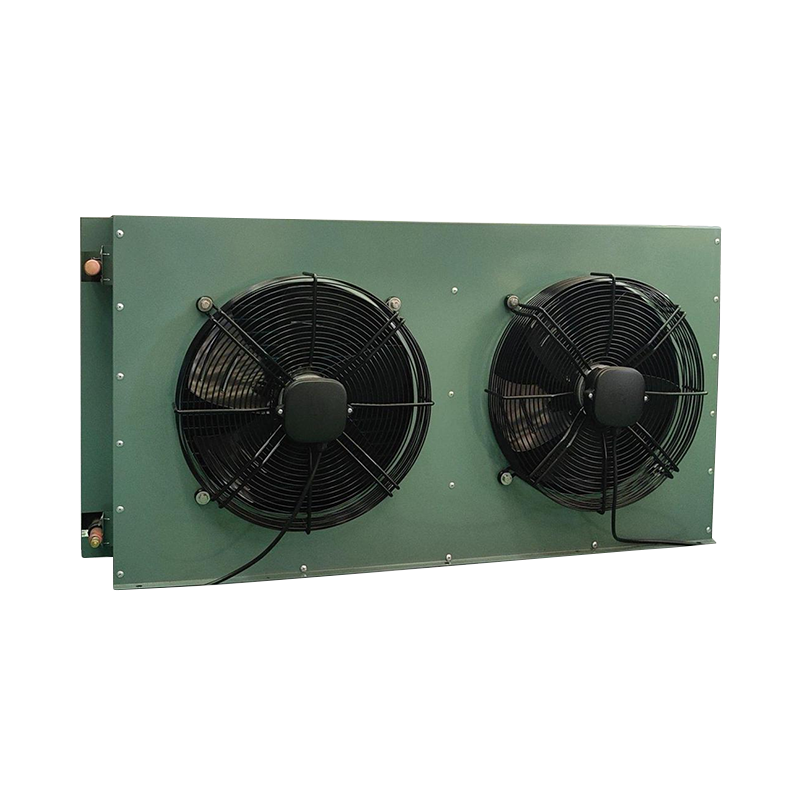
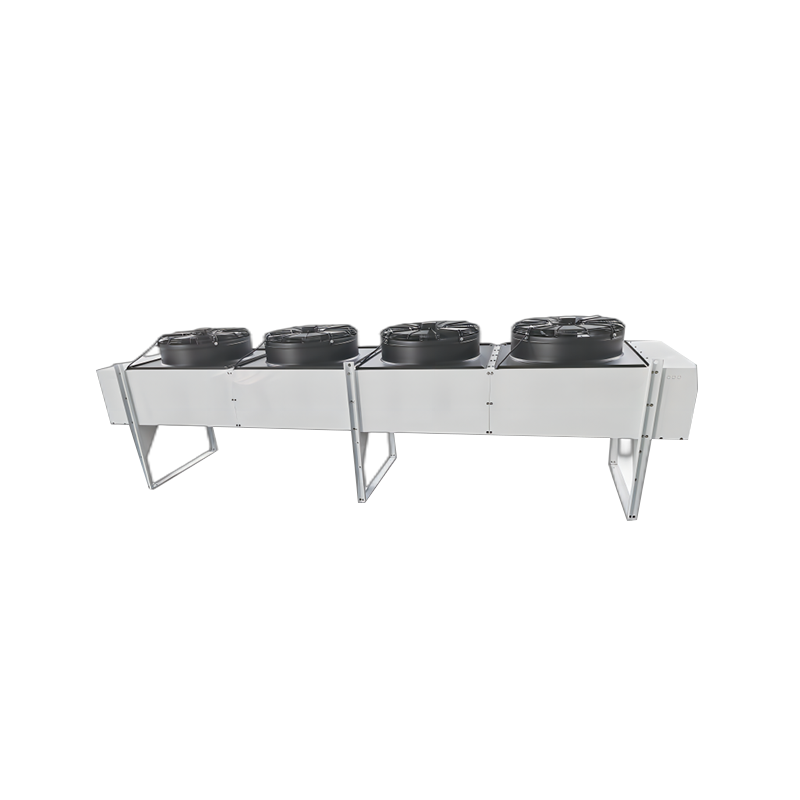
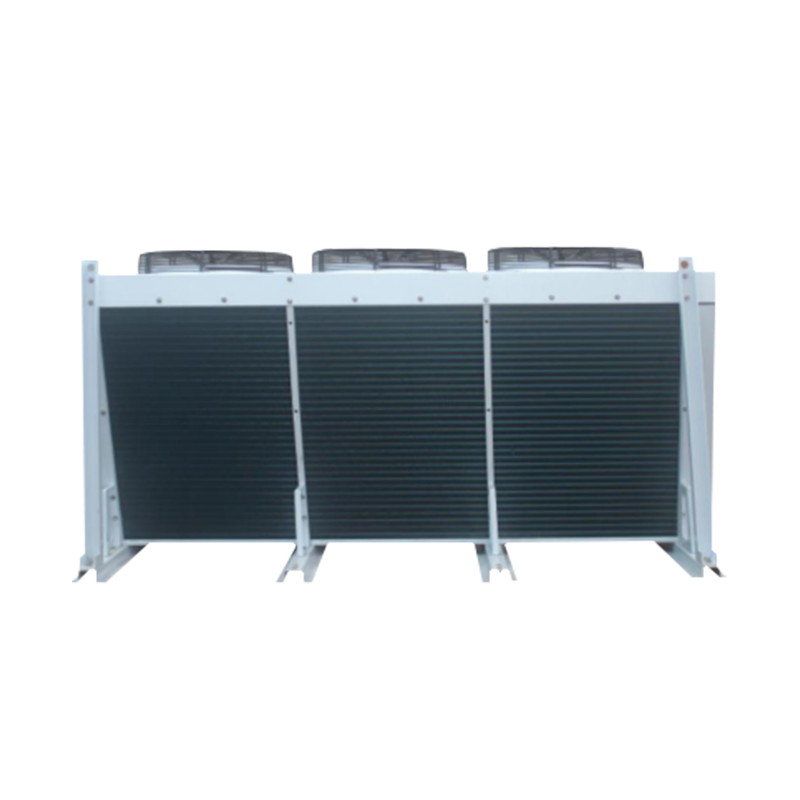
The hot, pressurized refrigerant flows into the condenser coils located in the outdoor unit. Because the refrigerant is now hotter than the outside air, it releases heat through the condenser fins, cooling down and condensing into a high-pressure liquid.
Step 4: Expansion and Cooling
The high-pressure liquid refrigerant passes through the expansion valve, which reduces its pressure and temperature. This cold, low-pressure refrigerant enters the evaporator coil, absorbs heat from indoor air, and the cycle repeats continuously.
Types of Air Conditioner Compressors: A Detailed Comparison
Different types of AC compressors offer varying levels of efficiency, noise output, durability, and cost. Selecting the right compressor type depends on your specific cooling needs, budget constraints, and noise tolerance.
Reciprocating Compressors
Reciprocating compressors operate similarly to car engines, using pistons that move up and down within cylinders to compress refrigerant. When the piston moves down, it creates suction that draws in low-pressure refrigerant gas. As the piston moves up, it compresses the gas and pushes it out through the discharge valve.
Best For: Residential air conditioning, light commercial applications, and budget-conscious installations.
Scroll Compressors
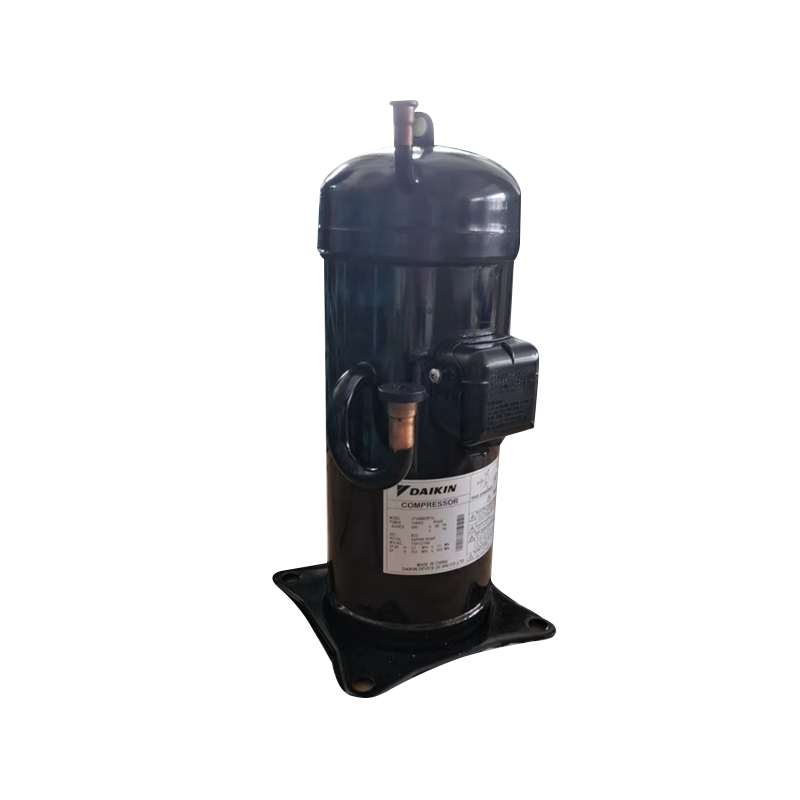
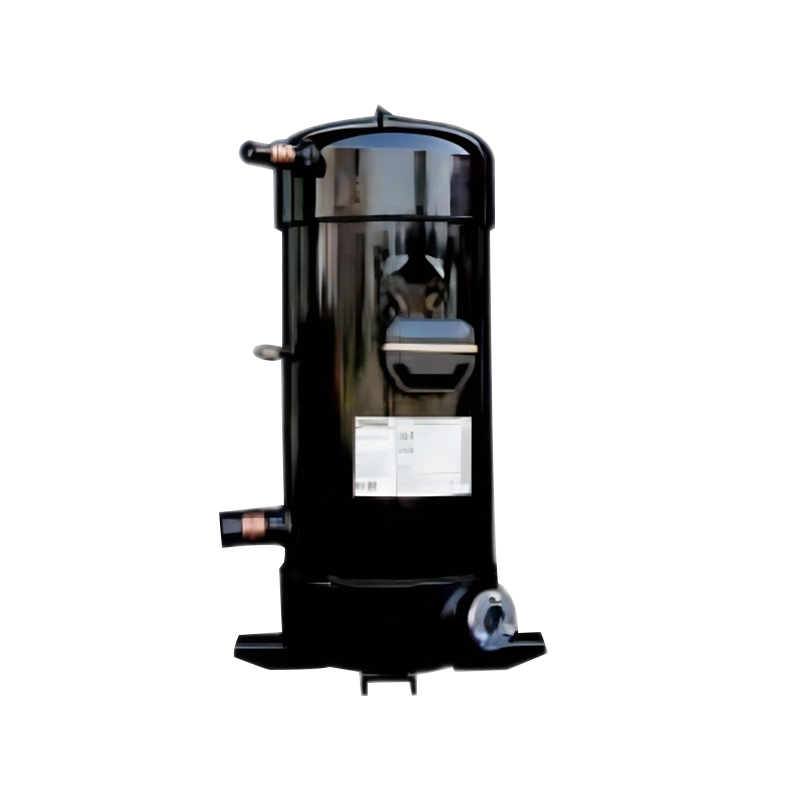
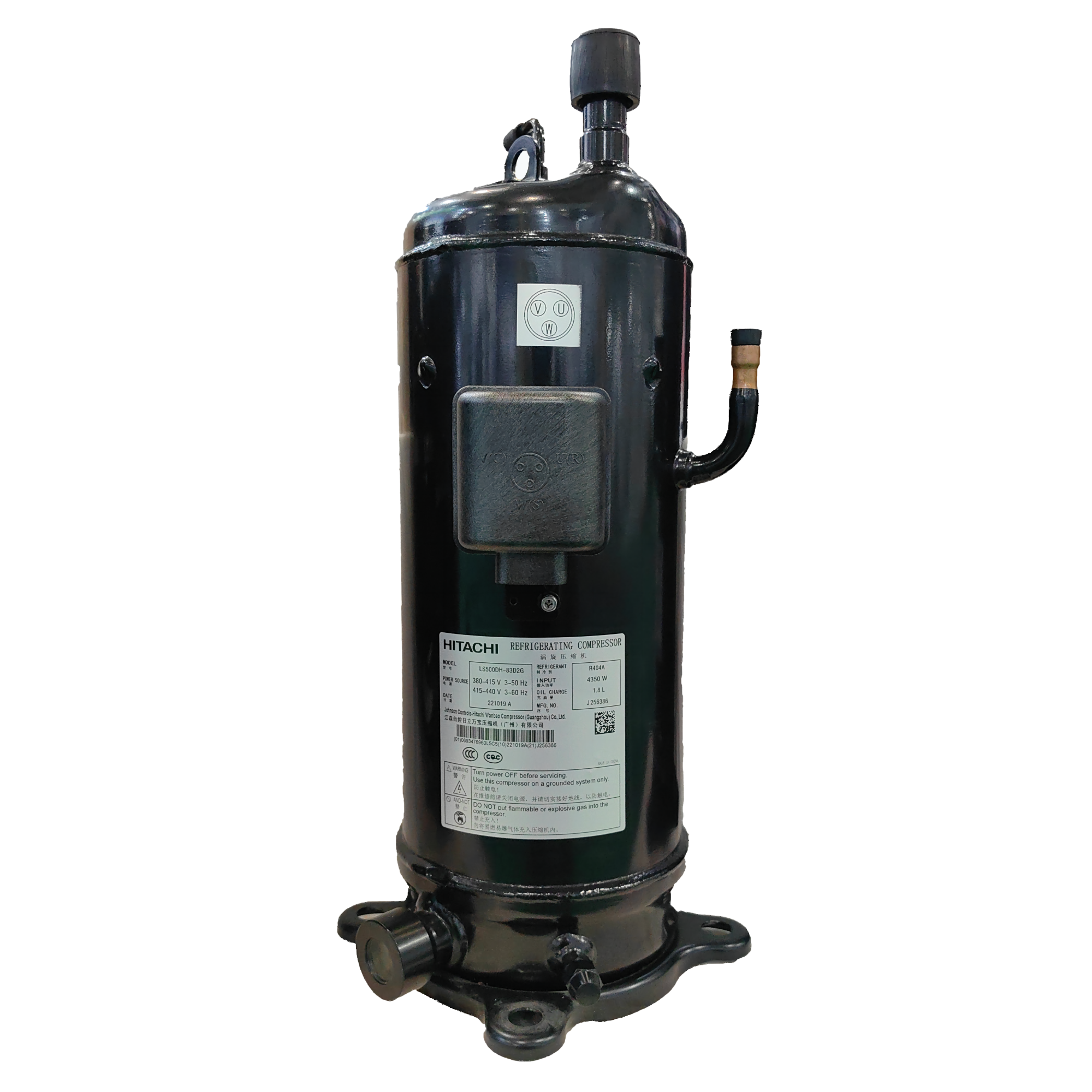
Scroll compressors use two spiral-shaped scrolls—one stationary and one orbiting—to compress refrigerant through a continuous, smooth motion. As the orbiting scroll moves, it traps refrigerant in crescent-shaped pockets and compresses it toward the center. This design produces minimal vibration and operates more quietly than reciprocating models.
Best For: Residential HVAC systems where quiet operation and high efficiency are priorities.
Rotary Compressors
Rotary compressors feature a rotating mechanism where a roller or vane spins eccentrically within a cylinder to compress refrigerant. These compressors are compact, lightweight, and provide continuous airflow with minimal pulsation. They operate quietly and are ideal for space-constrained applications.
Best For: Window units, portable air conditioners, and small residential systems.
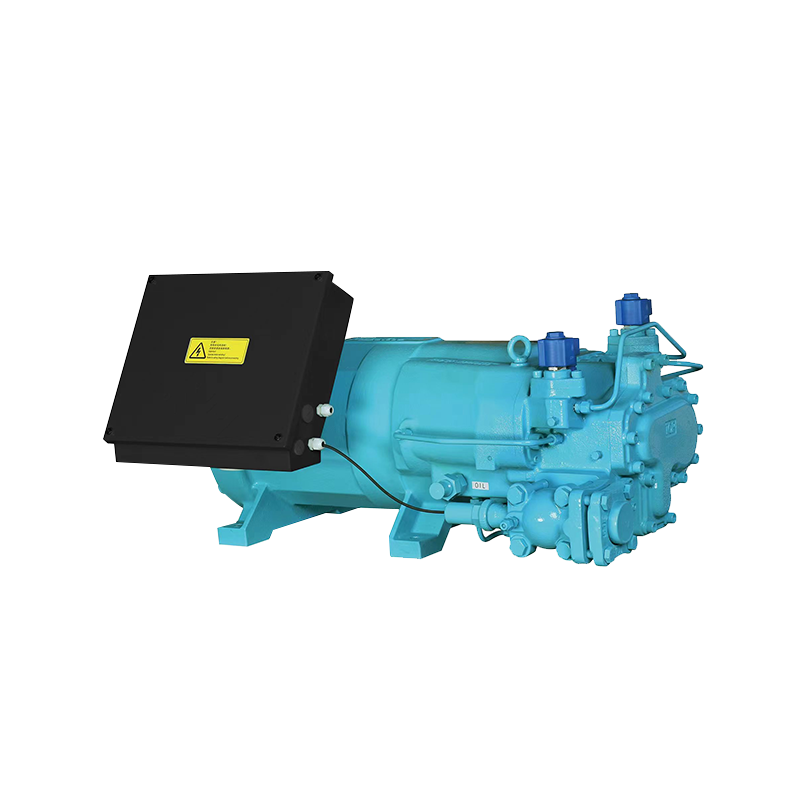
Screw (Rotary Screw) Compressors
Screw compressors utilize two meshing helical rotors (male and female) that rotate in opposite directions to compress refrigerant. As the rotors turn, the space between them decreases, compressing the refrigerant continuously. These compressors can handle large volumes of refrigerant and are highly efficient for continuous operation.
Best For: Large commercial buildings, industrial applications, and chillers requiring continuous cooling.
Centrifugal Compressors
Centrifugal compressors use high-speed rotating impellers to impart velocity to refrigerant, which is then converted to pressure through a diffuser. These compressors have few moving parts and can handle extremely large cooling capacities, making them suitable for industrial and large commercial applications.
Best For: Industrial HVAC systems, large commercial facilities, and applications requiring massive cooling capacity.
Compressor Types Comparison Table
| Feature | Reciprocating | Scroll | Rotary | Screw | Centrifugal |
|---|---|---|---|---|---|
| Efficiency | Moderate | High | Good | Very High | Excellent |
| Noise Level | Higher | Low | Low | Moderate | Low |
| Initial Cost | Lower | Moderate | Low | High | Very High |
| Maintenance | Moderate | Low | Low | Moderate | Low |
| Capacity Range | Small-Medium | Small-Medium | Small | Medium-Large | Very Large |
| Best Application | Residential | Residential/Commercial | Small Units | Commercial/Industrial | Industrial |
AC Compressor vs. Other HVAC Components
While the compressor is essential, it works in harmony with three other critical components to complete the cooling cycle. Understanding the distinction between these components helps diagnose problems and appreciate how the system functions as an integrated whole.
Compressor vs. Condenser
The compressor and condenser serve fundamentally different purposes despite both being located in the outdoor unit. The compressor pressurizes and circulates refrigerant, while the condenser acts as a heat exchanger that releases heat from the refrigerant to the outside air. The compressor increases refrigerant temperature and pressure; the condenser reduces temperature while maintaining pressure, converting hot gas to warm liquid.
Compressor vs. Evaporator
The evaporator coil represents the opposite end of the cooling cycle from the compressor. Located indoors, the evaporator absorbs heat from your home's air as cold refrigerant evaporates from liquid to gas. While the compressor adds heat to the refrigerant by compressing it, the evaporator removes heat from indoor air, creating the cooling effect you feel.
Compressor vs. Expansion Valve
The expansion valve regulates refrigerant flow between the condenser and evaporator, creating the pressure drop necessary for cooling. While the compressor increases pressure, the expansion valve reduces it, allowing the refrigerant to expand and cool rapidly before entering the evaporator. Both components work together to maintain proper pressure differentials throughout the system.
Common AC Compressor Problems and Symptoms
Recognizing early warning signs of compressor failure can prevent complete system breakdown and expensive emergency repairs. Compressor issues often manifest through specific symptoms that homeowners can identify.
1. Unusual Noises
Grinding, screeching, rattling, or clicking sounds from the outdoor unit often indicate internal compressor damage. A healthy compressor produces only a gentle humming sound during operation. Rattling may suggest loose mounting hardware, while grinding noises typically indicate worn bearings or internal mechanical failure.
2. Warm Air from Vents
When the compressor fails to pressurize refrigerant properly, the system cannot produce cold air. If your vents blow warm or room-temperature air despite correct thermostat settings, compressor malfunction is a likely culprit. However, check air filters and thermostat settings first to rule out simpler issues.
3. Frequent Circuit Breaker Trips
A compressor drawing excessive electrical current will trip the circuit breaker repeatedly. This typically occurs when the compressor struggles to start or overcome internal resistance due to wear, electrical faults, or overheating. Repeated breaker trips indicate serious problems requiring immediate professional attention.
4. System Short Cycling
Short cycling occurs when the AC turns on and off rapidly without completing full cooling cycles. This behavior often indicates an overheating compressor that shuts down as a protective measure. Short cycling wastes energy, increases wear, and prevents proper dehumidification.
5. Refrigerant Leaks
Oil stains or visible leaks around the compressor housing indicate seal failure or refrigerant loss. Low refrigerant levels force the compressor to work harder, potentially causing overheating and premature failure. Never attempt to add refrigerant yourself—this requires professional certification.
6. Excessive Vibration
Strong vibrations during operation suggest compressor mounting problems or internal imbalances. Over time, excessive vibration can loosen electrical connections, damage refrigerant lines, and cause leaks. Address vibration issues promptly to prevent secondary damage.
Essential AC Compressor Maintenance Tips
Regular maintenance extends compressor lifespan, maintains efficiency, and prevents costly breakdowns. Implement these maintenance practices to protect your investment.
1. Replace Air Filters Regularly
Clogged air filters restrict airflow, forcing the compressor to work harder and longer. Check filters monthly during peak seasons and replace them every 1-3 months depending on usage, pets, and air quality. Clean filters reduce strain on the entire system, including the compressor.
2. Maintain Clearance Around Outdoor Unit
Ensure at least 2-3 feet of clear space around your outdoor unit and 5 feet above it. Remove leaves, grass clippings, and debris regularly. Trim vegetation and prevent plants from encroaching on the unit. Proper airflow prevents overheating and ensures efficient heat dissipation.
3. Schedule Annual Professional Maintenance
Professional HVAC technicians should inspect your system annually, preferably in spring before cooling season. Technicians check refrigerant levels, test electrical connections, inspect capacitors and contactors, clean coils, and identify potential problems before they cause compressor failure.
4. Monitor System Performance
Pay attention to changes in cooling performance, unusual sounds, or different operating patterns. Early detection of anomalies allows for timely intervention. Keep maintenance records to track system history and help technicians diagnose recurring issues.
5. Install a Compressor Delay Timer
A compressor delay timer prevents short cycling by ensuring the compressor remains off for 3-5 minutes between cycles. This prevents damage from rapid starting and allows refrigerant pressures to equalize, reducing startup strain on the compressor motor.
6. Address Refrigerant Issues Promptly
Never ignore signs of refrigerant leaks or low refrigerant levels. Operating with insufficient refrigerant causes the compressor to overheat and fail prematurely. If you notice ice buildup on lines, hissing sounds, or reduced cooling, contact a professional immediately.
DIY Troubleshooting Before Calling a Professional
Before contacting an HVAC technician, perform these simple checks to rule out minor issues that mimic compressor problems.
- Verify Thermostat Settings: Ensure the thermostat is set to "cool" mode and the temperature setting is below current room temperature.
- Check Circuit Breakers: Verify the AC circuit breaker hasn't tripped. If tripped, reset it once. If it trips again immediately, call a professional.
- Inspect Air Filters: Replace dirty filters that restrict airflow and reduce cooling performance.
- Clear Outdoor Unit: Remove debris, leaves, and vegetation within 2-3 feet of the outdoor unit.
- Check Vents and Registers: Ensure supply and return vents are open and unobstructed by furniture or curtains.
- Listen for Clicking: If you hear clicking at the outdoor unit but the compressor doesn't start, the capacitor may need replacement.
If these steps don't resolve the issue, or if you encounter electrical problems, refrigerant concerns, or mechanical failures, contact a licensed HVAC technician immediately. Compressor repairs require specialized tools and EPA certification for refrigerant handling.
Frequently Asked Questions About AC Compressors
How long does an AC compressor typically last?
A well-maintained AC compressor typically lasts 10-15 years. Lifespan depends on usage patterns, maintenance frequency, environmental conditions, and installation quality. Regular maintenance can extend compressor life significantly, while neglect can cause failure in as little as 5-7 years.
How much does it cost to replace an AC compressor?
AC compressor replacement typically costs between $1,200 and $2,800, including parts and labor. Costs vary based on compressor type, system size, refrigerant type, and regional labor rates. High-efficiency or specialized compressors may cost more. If your system is over 10 years old, replacing the entire unit may be more cost-effective.
Can I run my AC with a bad compressor?
Running an AC with a failing compressor is not recommended. A malfunctioning compressor can damage other system components, cause electrical hazards, and potentially contaminate the refrigerant system. If you suspect compressor failure, turn off the system and contact a professional to prevent further damage.
What causes an AC compressor to fail?
Common causes include inadequate lubrication, refrigerant leaks, electrical failures, dirty condenser coils, contaminants in the system, and normal wear and tear. Lack of maintenance is the leading cause of premature compressor failure. Electrical issues like faulty capacitors or contactors can also damage compressors over time.
Is it better to repair or replace a compressor?
Replace the compressor if your AC unit is less than 5 years old and otherwise in good condition. For systems between 5-10 years, consider the repair cost versus replacement—if repairs exceed 50% of a new system's cost, replacement is usually more economical. For systems over 10 years, full replacement is typically recommended due to improved efficiency and reliability of modern units.
What is the difference between a single-stage and variable-speed compressor?
Single-stage compressors operate at full capacity (100%) or off (0%), while variable-speed compressors adjust output between 25-100% based on cooling demand. Variable-speed compressors provide more consistent temperatures, better humidity control, quieter operation, and higher energy efficiency, though they cost more initially.
Can a dirty filter damage the compressor?
Yes, dirty filters can indirectly cause compressor damage by restricting airflow and causing the system to overheat. Reduced airflow forces the compressor to run longer and work harder, increasing operating temperatures and accelerating wear. Regular filter changes are the simplest way to protect your compressor.
Why is my compressor humming but not starting?
A humming compressor that won't start usually indicates a faulty start capacitor, contactor issues, or the compressor being locked up. The humming sound means the compressor is receiving power but cannot start rotating. This requires professional diagnosis—attempting to force the compressor to start can cause electrical damage.
Conclusion: Protecting Your AC Compressor Investment
Understanding what a compressor does in an air conditioner empowers homeowners to maintain their systems properly and recognize problems early. As the heart of your cooling system, the compressor's health directly impacts comfort, energy costs, and system longevity.
Regular maintenance—including filter changes, clearing debris, and annual professional inspections—represents the best defense against compressor failure. When problems do arise, prompt attention prevents minor issues from escalating into complete system failures requiring expensive replacements.
Whether you're troubleshooting symptoms, considering a new system, or simply seeking to understand your HVAC equipment better, recognizing the compressor's critical role helps you make informed decisions about your home comfort system. With proper care, your AC compressor will provide reliable cooling for many years, keeping your home comfortable even during the hottest summer days.
 +86-0574-88198229
 +86-17757487298
 Zhejiang Province, Ningbo City, Yinzhou District