
 EN
EN English
 Español
 عربى
عربى русский
Quick Answer: An air conditioner compressor pressurizes the refrigerant in your AC system, enabling heat transfer that cools indoor air. It is considered the most critical — and most expensive — component in any air conditioning unit. When a compressor fails, the entire system stops cooling.
Content
- 1 How Does an Air Conditioner Compressor Work?
- 2 Types of Air Conditioner Compressors Compared
- 3 Warning Signs: Is Your Air Conditioner Compressor Failing?
- 4 Air Conditioner Compressor Repair vs. Replacement: Which Is Better?
- 5 How to Extend the Life of Your AC Compressor
- 6 Air Conditioner Compressor Cost Breakdown
- 7 The Impact of Refrigerant Type on Compressor Performance
- 8 Frequently Asked Questions About Air Conditioner Compressors
- 9 Conclusion: The Air Conditioner Compressor Is Your System's Most Valuable Asset
How Does an Air Conditioner Compressor Work?
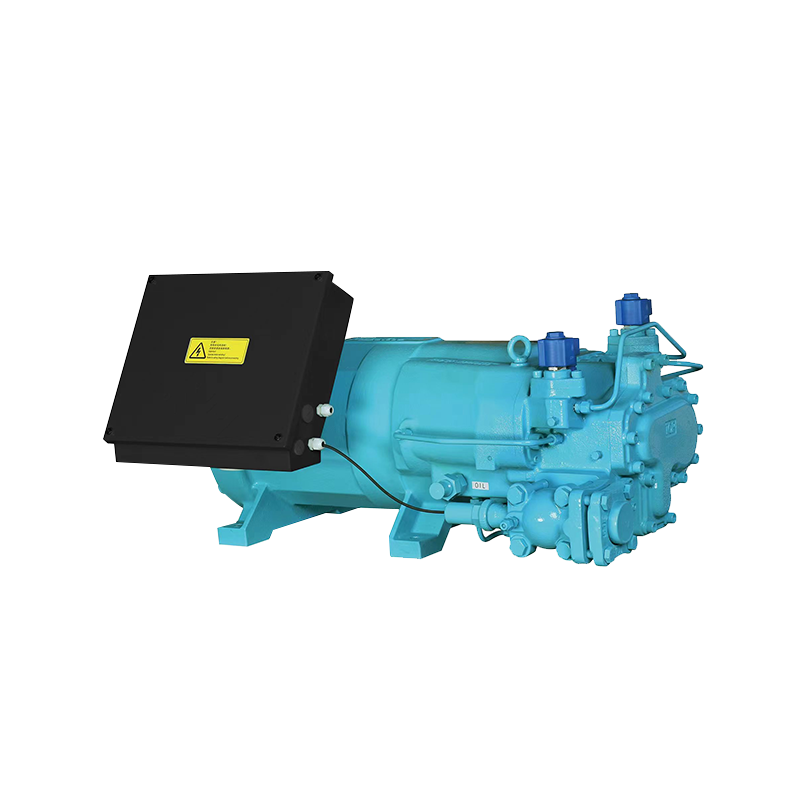
At its core, the air conditioner compressor functions as a pump. It takes in low-pressure, low-temperature refrigerant gas from the evaporator coil and compresses it into a high-pressure, high-temperature gas. This hot, pressurized refrigerant then travels to the condenser coil, where it releases heat to the outside air and converts back into a liquid. The liquid refrigerant cycles back inside, evaporates, absorbs indoor heat, and the process repeats continuously.
Without a properly functioning AC compressor, this refrigeration cycle cannot occur — meaning no matter how powerful your fan is, your system will simply circulate warm air.
The Refrigeration Cycle Step-by-Step
- Suction Stage: The compressor draws in low-pressure refrigerant vapor from the evaporator.
- Compression Stage: Internal pistons or scrolls compress the refrigerant, raising its temperature and pressure dramatically.
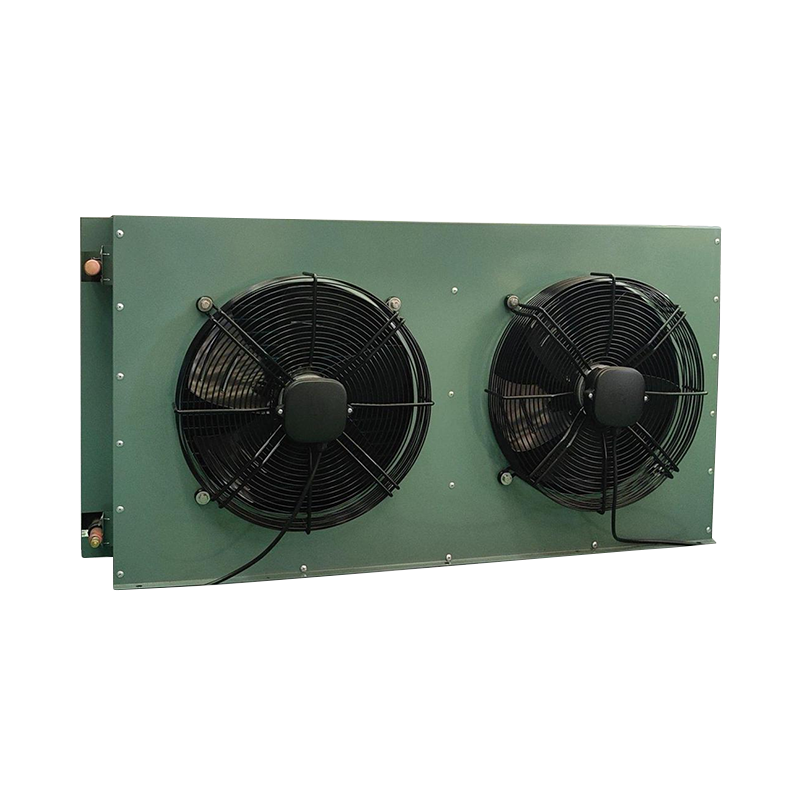
- Discharge Stage: High-pressure hot gas exits the compressor and flows to the condenser coil outdoors.
- Condensation Stage: The refrigerant releases heat outside and condenses into a liquid.
- Expansion Stage: The liquid passes through an expansion valve, drops in pressure and temperature, and enters the evaporator coil indoors to absorb heat.
Types of Air Conditioner Compressors Compared
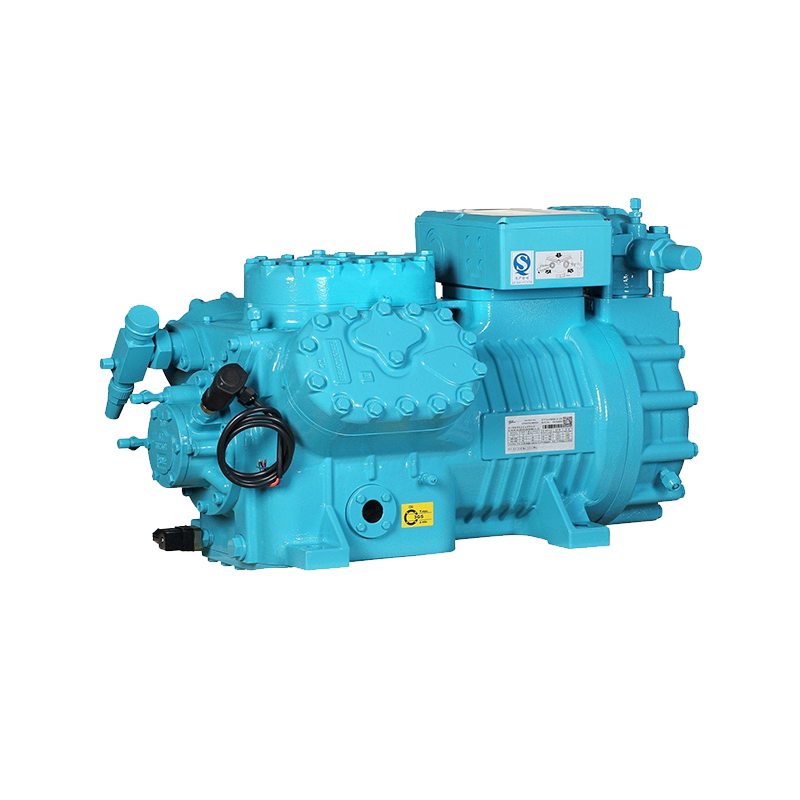
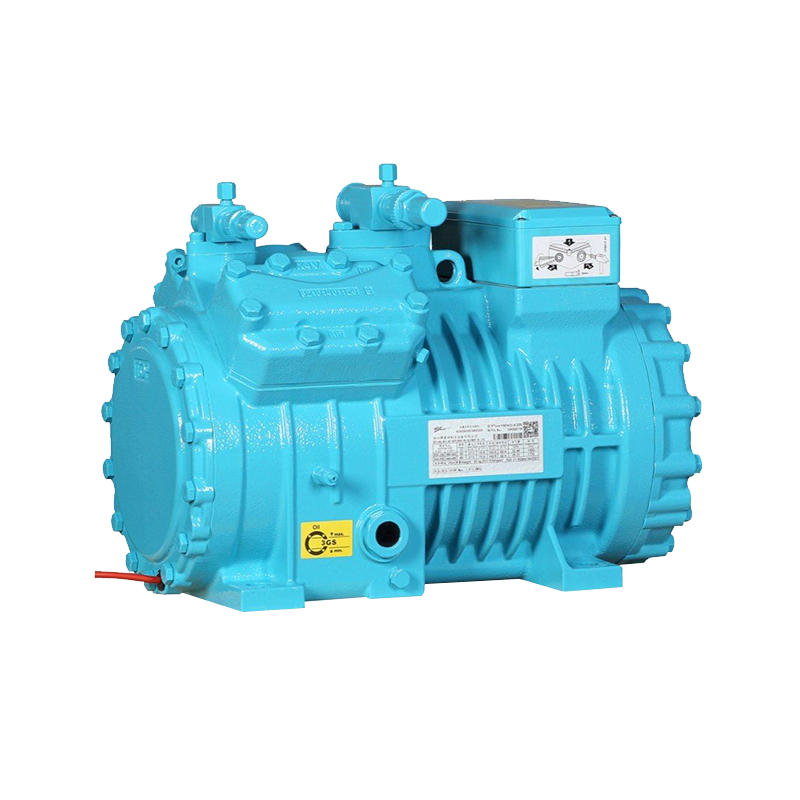
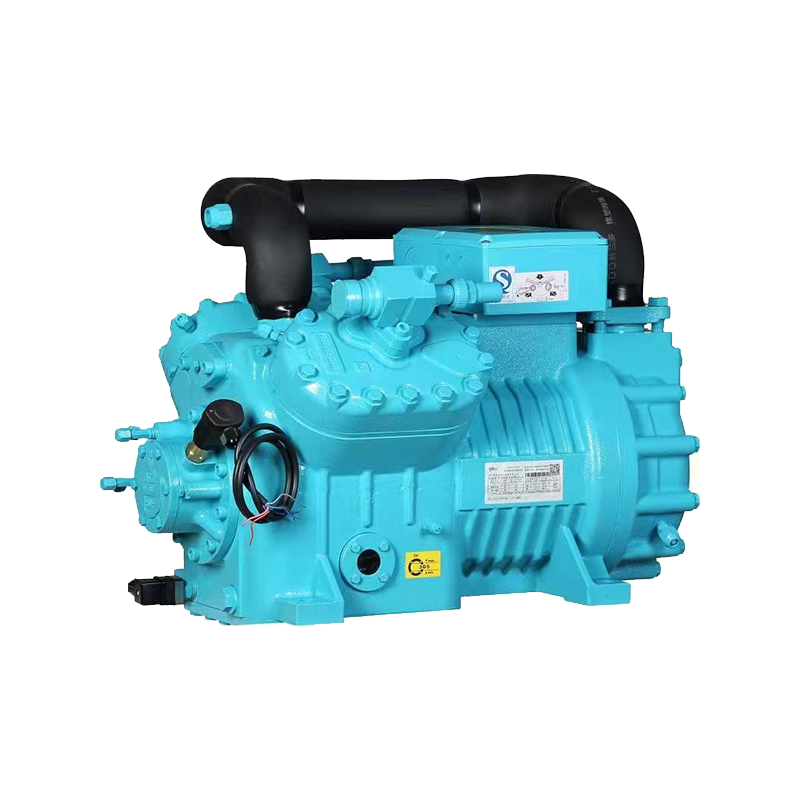
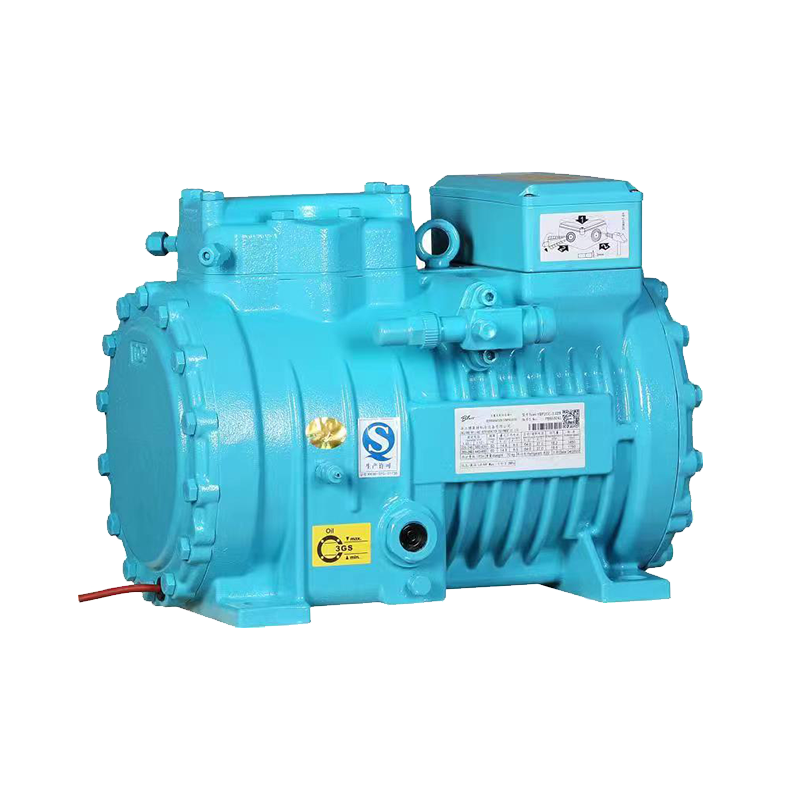
Not all air conditioner compressors are built the same. The type you have significantly affects efficiency, noise level, and longevity. Here is a side-by-side comparison of the most common types:
The variable-speed inverter compressor is rapidly becoming the industry standard for new residential installations due to its dramatic energy savings and near-silent operation. Unlike single-stage compressors that cycle on and off at full power, an inverter AC compressor modulates its speed continuously to match real-time cooling demand.
Warning Signs: Is Your Air Conditioner Compressor Failing?
A failing air conditioner compressor rarely dies without warning. Catching these symptoms early can prevent a complete system breakdown and reduce repair costs significantly.
Top 7 Signs of a Failing AC Compressor
- Warm Air Blowing Indoors: If your AC runs but only produces warm or room-temperature air, the compressor may no longer be pressurizing the refrigerant.
- Strange Noises: Banging, clanking, clicking, or screeching from the outdoor unit often point to worn bearings, loose pistons, or a seized motor inside the compressor.
- Hard Starting or Tripping Breakers: If the AC struggles to start ("hard starts") or repeatedly trips the circuit breaker, the compressor motor may be drawing excess current.
- Refrigerant Leaks: Oil stains or refrigerant residue around the outdoor unit can indicate compressor seal failure.
- High Electric Bills: A degraded compressor works harder and longer to achieve the same cooling, spiking energy consumption.
- Unit Vibrates Excessively: Unusual vibration on startup (known as "hard start") suggests internal mechanical wear.
- System Doesn't Turn On: A completely seized compressor will prevent the entire AC system from operating.
Air Conditioner Compressor Repair vs. Replacement: Which Is Better?
One of the most common questions homeowners face is whether to repair an AC compressor or replace the entire unit. The decision depends on several key factors including the age of the system, the cost of repair, and the efficiency of the current unit.
Pro Tip — The 5,000 Rule: Multiply the age of your AC unit by the estimated repair cost. If the result exceeds $5,000, HVAC professionals generally recommend replacing the entire system rather than repairing the air conditioner compressor alone.
How to Extend the Life of Your AC Compressor
Proactive maintenance is the most effective way to protect your air conditioner compressor and maximize its service life. HVAC experts agree that most premature compressor failures are preventable.
Essential Maintenance Checklist
- Change Air Filters Regularly: Clogged filters restrict airflow and force the compressor to work harder. Replace filters every 1–3 months depending on use.
- Keep the Outdoor Unit Clear: Ensure at least 2 feet of clearance around the condenser unit. Debris, leaves, and overgrown shrubs restrict airflow, causing the compressor to overheat.
- Schedule Annual Professional Tune-Ups: A certified HVAC technician can check refrigerant levels, clean coils, and inspect electrical connections — all factors that directly impact compressor health.
- Check Refrigerant Levels: Low refrigerant forces the compressor to cycle more frequently and can cause overheating. Never attempt to add refrigerant without professional certification.
- Install a Hard Start Kit: For older systems, a hard start capacitor kit reduces electrical strain on the compressor motor during startup, extending its lifespan.
- Avoid Short-Cycling: Rapidly turning your AC on and off stresses the compressor. Use a programmable thermostat to maintain steady temperature settings.
- Clean the Condenser Coils Annually: Dirty coils reduce heat exchange efficiency and raise operating pressure, accelerating compressor wear.
Air Conditioner Compressor Cost Breakdown
The cost of an air conditioner compressor varies widely depending on the type, tonnage, and labor involved. Understanding these costs helps homeowners budget effectively and negotiate fairly with service providers.
Note: These figures represent estimated market rates in the United States for 2025–2026. Prices may vary based on region, refrigerant type (R-410A vs. R-32 vs. R-454B), and whether the unit is under warranty. Always obtain at least three quotes from licensed HVAC contractors before committing to a compressor replacement.
The Impact of Refrigerant Type on Compressor Performance
The refrigerant used in an AC system directly affects how the air conditioner compressor operates. As environmental regulations phase out older refrigerants with high global warming potential (GWP), homeowners and technicians need to understand the implications.
- R-22 (Freon): Largely phased out due to ozone depletion. Systems using R-22 compressors are increasingly costly to service and are not compatible with modern refrigerants without major retrofitting.
- R-410A (Puron): The most common refrigerant in residential AC systems from 2010–2023. Higher operating pressures demand compressors built to more rigorous specifications. Being phased down under EPA rules by 2025–2026.
- R-32 and R-454B: Next-generation low-GWP refrigerants now standard in new equipment. Require specially designed AC compressors rated for their unique pressure and flammability profiles.
When replacing a compressor for air conditioning, always verify refrigerant compatibility. Installing a compressor designed for the wrong refrigerant can cause immediate system failure or dangerous pressure buildup.
Frequently Asked Questions About Air Conditioner Compressors
Conclusion: The Air Conditioner Compressor Is Your System's Most Valuable Asset
The air conditioner compressor is far more than just another mechanical part — it is the fundamental driver of every degree of cooling comfort in your home or facility. Understanding how it works, recognizing early warning signs, knowing which type is best for your needs, and following a disciplined maintenance routine are the pillars of protecting this critical investment.
Whether you are facing a potential AC compressor repair, considering an upgrade to a high-efficiency inverter system, or simply trying to get more years from your current unit, the knowledge in this guide equips you to make informed, cost-effective decisions.
When in doubt, always consult a licensed HVAC professional. The cost of a preventive inspection is a fraction of an emergency compressor replacement — and a healthy compressor means consistent, efficient, reliable cooling for years to come.
 +86-0574-88198229
 +86-17757487298
 Zhejiang Province, Ningbo City, Yinzhou District