
 EN
EN English
 Español
 عربى
عربى русский
In modern industrial refrigeration and household air conditioning systems, the condenser, as one of the "four core components," plays a crucial role. Whether it's the operation of large cold storage facilities or the cooling of ordinary homes in summer, the efficient heat exchange of the condenser is indispensable.
Content
The core function of the condenser: the "transporter" of energy
Simply put, the main function of the condenser is to condense the high-temperature, high-pressure gaseous refrigerant discharged from the compressor into a liquid state through heat exchange with the external environment.
In the entire refrigeration cycle, the condenser is on the high-pressure side. Its operation can be divided into the following three stages:
Deheating stage: Cools the superheated high-temperature vapor to its saturation temperature at the current pressure.
Condensation stage (core): At a constant temperature, the refrigerant releases heat to the cooling medium (water or air), completing the phase change from gaseous to liquid.
Subcooling stage: Further reduces the temperature of the liquid refrigerant, bringing it below its saturation temperature, thereby improving the refrigeration efficiency in the subsequent evaporator.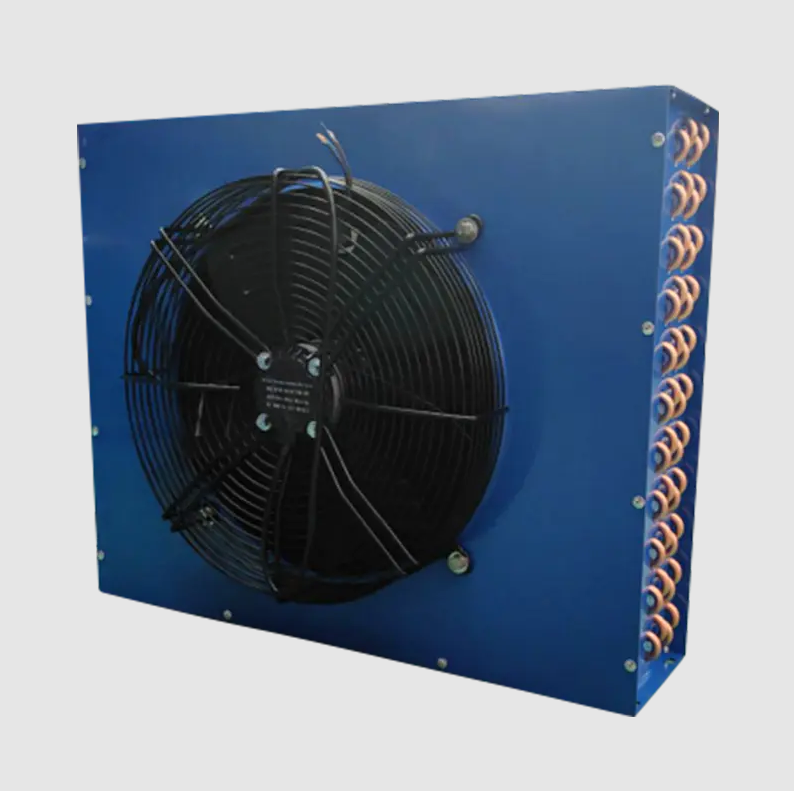
Main Types of Condensers and Their Applications
Depending on the cooling medium, manufacturers typically categorize condensers into the following common types to meet different industrial needs:
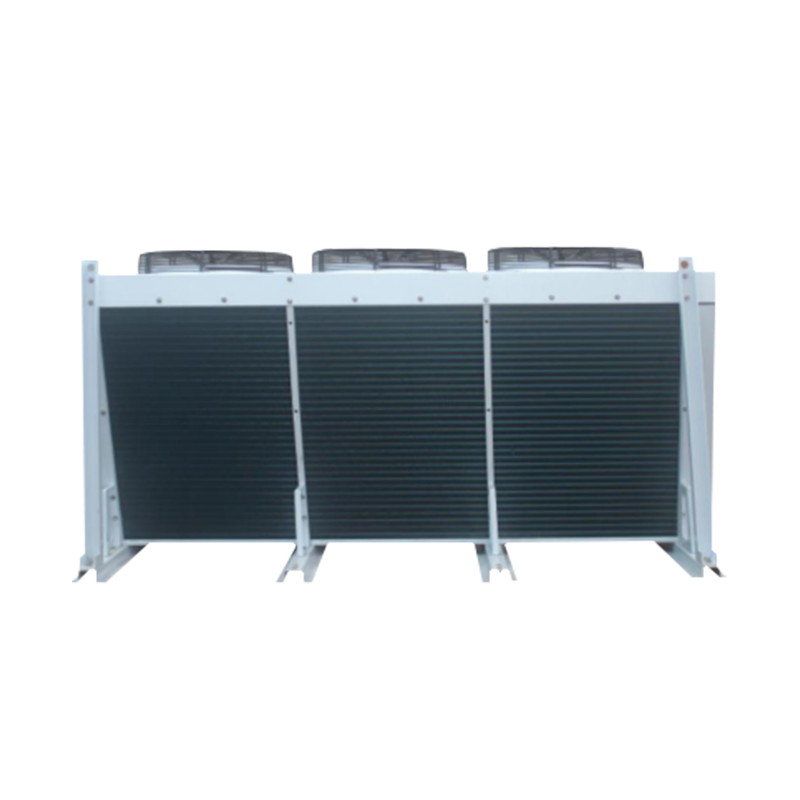
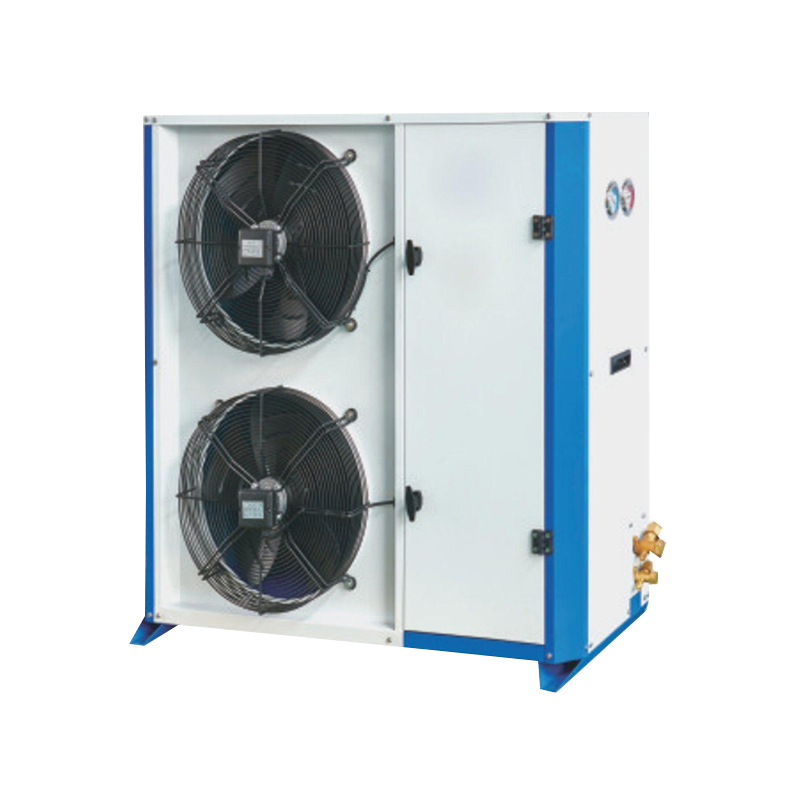
1. Air-Cooled Condenser
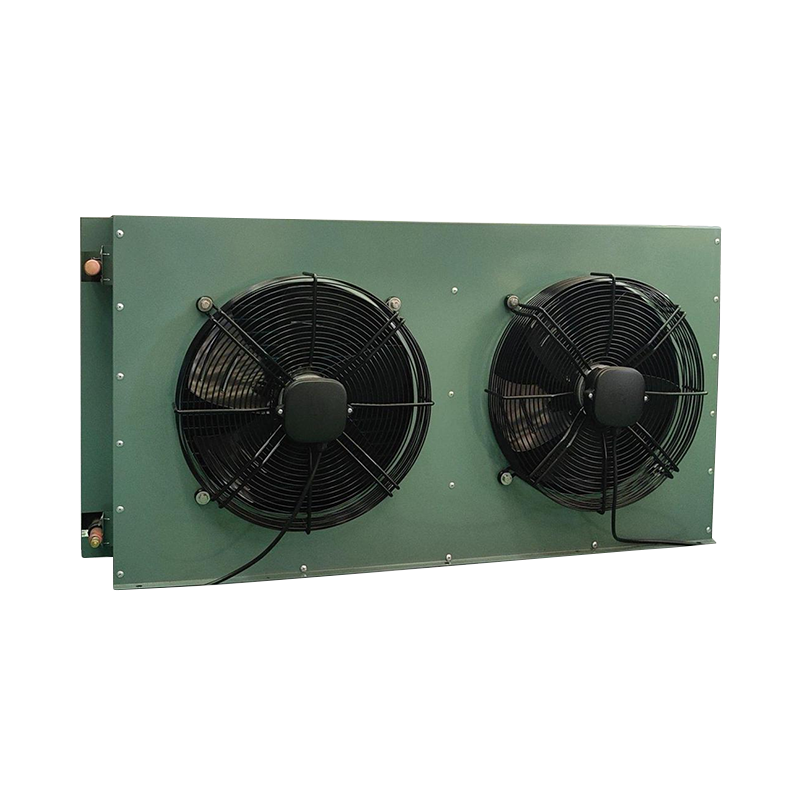
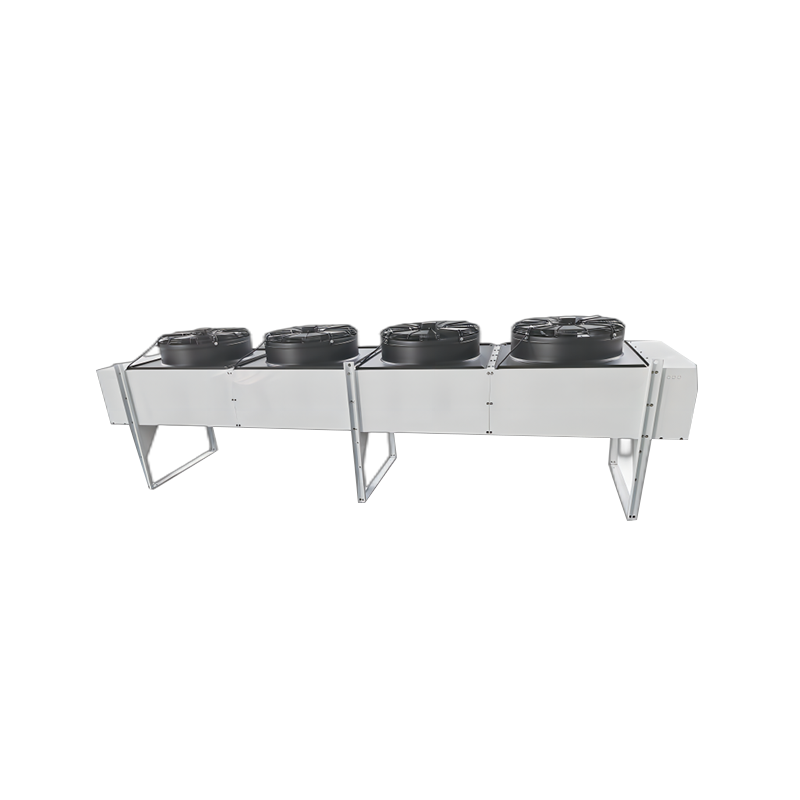
Uses air as the cooling medium. A fan forces air through finned pipes, carrying away heat.
Advantages: No water source required, easy installation.
Suitable for: Water-scarce areas, small to medium-sized refrigeration units.
2. Water-Cooled Condenser
Uses water as the cooling medium. Common types include shell-and-tube and coaxial tube structures.
Advantages: Extremely high heat exchange efficiency, minimally affected by ambient temperature.
Suitable for: Large-scale industrial refrigeration, central air conditioning systems.
3. Evaporative Condenser
Combines the advantages of air and water cooling, utilizing the principle of water film evaporation to absorb latent heat.
Advantages: Extremely energy and water-saving, currently the preferred choice for many large cold storage manufacturers.
Why is choosing a high-quality condenser crucial?
The performance of the condenser directly affects the operating efficiency of the entire refrigeration unit. Poor heat exchange in the condenser can lead to the following consequences:
Increased condensing pressure: This forces the compressor to work under overload, increasing power consumption.
Decreased cooling capacity: Due to incomplete refrigerant condensation, the liquid entering the expansion valve contains more gas, reducing cooling efficiency.
Shortened equipment lifespan: Prolonged high discharge pressure accelerates lubricant deterioration, damaging the compressor.
Therefore, when selecting a condenser manufacturer, attention must be paid to the product's heat exchange area, pipe material, and fin corrosion protection.
Maintenance and Care Recommendations
To ensure the condenser operates at its optimal condition, regular maintenance is essential:
Scale removal: Water-cooled condensers require regular cleaning of scale inside the pipes to prevent increased thermal resistance.
Dust removal: Air-cooled condensers should have their fins kept clean to prevent dust accumulation and blockage of air ducts.
Removal of non-condensable gases: Regularly check the system vacuum to prevent air from entering and affecting condensing efficiency.
As the high-pressure heat dissipation center of the refrigeration cycle, the stability of the condenser's performance is crucial to the economy and safety of the entire system. Choosing a manufacturer with strong technical capabilities and implementing scientific operation and maintenance are essential to ensuring the long-term, efficient operation of your refrigeration equipment.
 +86-0574-88198229
 +86-17757487298
 Zhejiang Province, Ningbo City, Yinzhou District