
 EN
EN English
 Español
 عربى
عربى русский
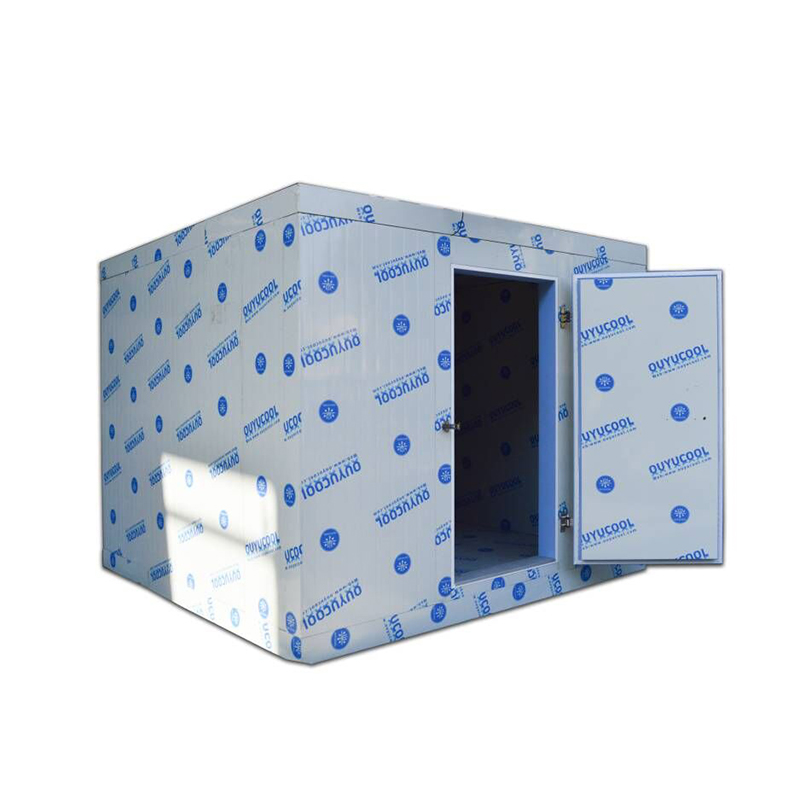
In industries such as food processing, catering, pharmaceuticals, and cold chain logistics, cold room systems have become an indispensable piece of equipment. Compared to ordinary refrigerators, cold rooms offer larger storage space, a more stable temperature control system, and higher operating efficiency.
Content
I. Temperature Range and Storage Characteristics of Cold Rooms
Generally, the temperature range of a cold room is usually controlled between 0℃ and 10℃, mainly for short-term or medium-term preservation. Through a stable low-temperature environment, cold rooms can effectively slow down microbial reproduction and maintain the freshness and quality of products.
Unlike freezers, cold rooms do not freeze products, making them more suitable for storing items that require high standards of taste, texture, and freshness, especially in commercial applications.
II. Main Types of Products Suitable for Storage in Cold Rooms
1. Fresh Food Products
One of the most common applications of cold rooms is the storage of fresh food, including:
Fresh vegetables and fruits
Fresh meat, poultry, and meat products
Seafood and aquatic products (short-term preservation)
Eggs and semi-finished ingredients
Food cold rooms can ensure food safety while reducing moisture loss and extending the shelf life, making them the preferred choice for the catering industry and food processing plants.
2. Dairy Products and Beverages
Temperature-sensitive dairy products are also very suitable for storage in cold rooms, such as:
Milk, yogurt, cheese
Cream, butter
Fruit juices, functional drinks, and chilled beverages
Commercial cold rooms can maintain a constant low temperature, effectively preventing dairy products from spoiling and ensuring stable product quality.
3. Pharmaceuticals and Medical Supplies
In the pharmaceutical industry, cold rooms are widely used to store products with strict temperature requirements, including:
Vaccines and biological agents
Medical reagents
Some medicines and pharmaceutical raw materials
Medical cold rooms are usually equipped with high-precision temperature control systems and temperature monitoring devices to meet the high standards of safety required for cold storage in the industry.
4. Flowers and Plant Products
Flowers and horticultural products are very sensitive to temperature and humidity. Using a cold room can:
Slow down flower aging
Maintain flower color and freshness
Reduce transportation and storage losses
Therefore, flower cold rooms are widely used in flower markets, flower shops, and logistics centers.
5. Catering and Central Kitchen Raw Materials
In catering chains and central kitchens, cold storage rooms are commonly used to store:
Pre-processed ingredients
Semi-finished dishes
Condiments and seasonings
By rationally planning the cold storage space, storage efficiency can be improved, and food safety and hygiene management requirements can be met.
III. Key Factors in Choosing the Right Cold Storage Room for Products
In practical applications, different products have different requirements for cold storage rooms. The following points should be considered:
Does the cold storage room's temperature control range meet the product requirements?
Is humidity control required?
Does the cold storage room's volume and structure meet the storage capacity needs?
Is it a commercial cold storage room or a customized cold storage solution?
Choosing the appropriate cold storage room configuration will maximize the value of cold storage.
Cold storage rooms are suitable for storing a variety of temperature-sensitive products that require preservation, including fresh food, dairy products, pharmaceuticals, flowers, and catering raw materials. Whether for food processing companies or commercial customers, the proper use of cold room solutions can effectively improve product quality and reduce losses.

 +86-0574-88198229
 +86-17757487298
 Zhejiang Province, Ningbo City, Yinzhou District