
 EN
EN English
 Español
 عربى
عربى русский
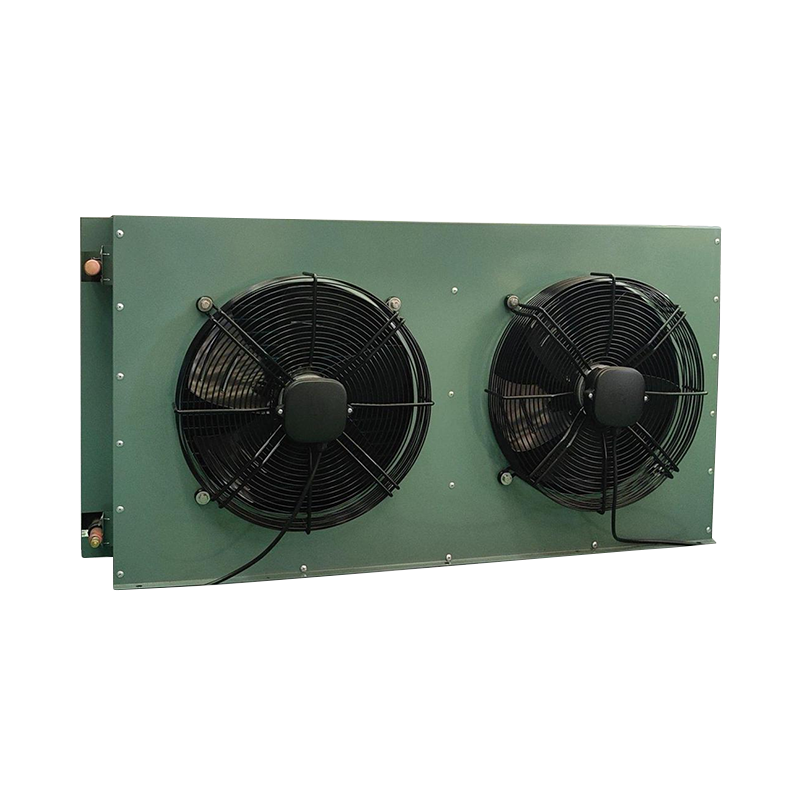
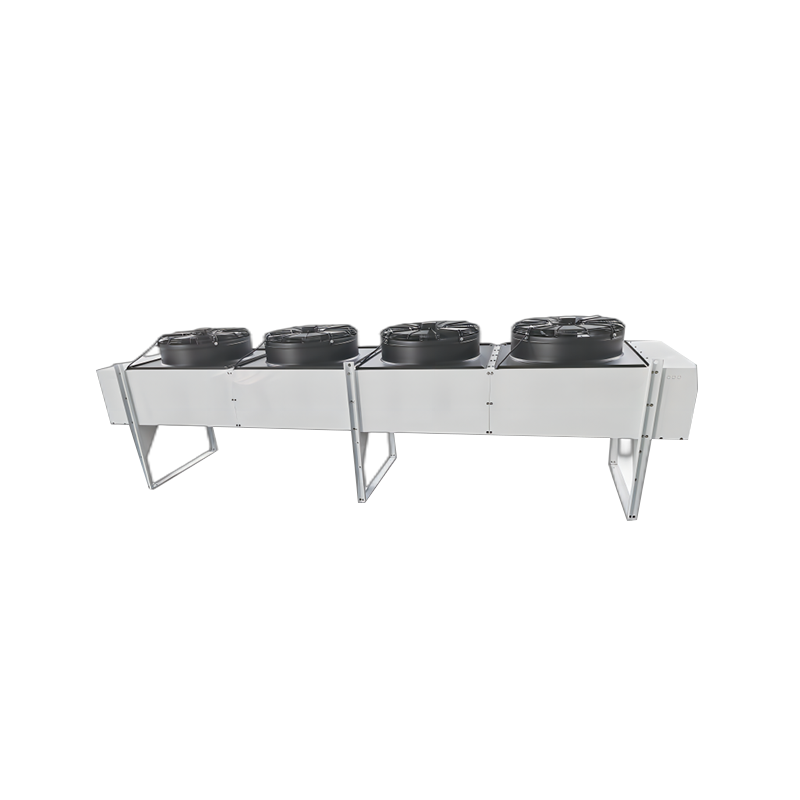
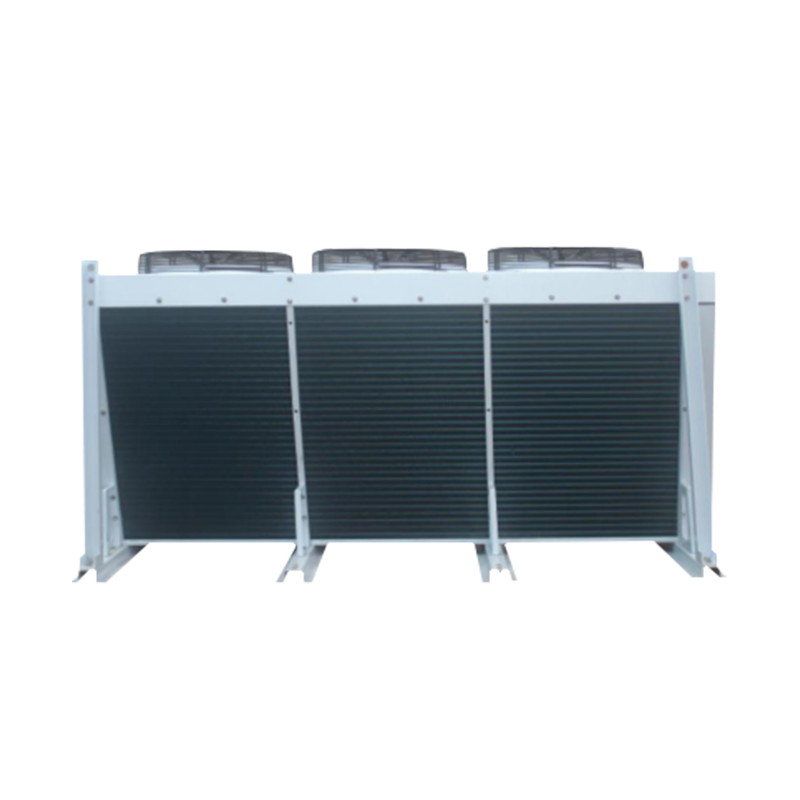
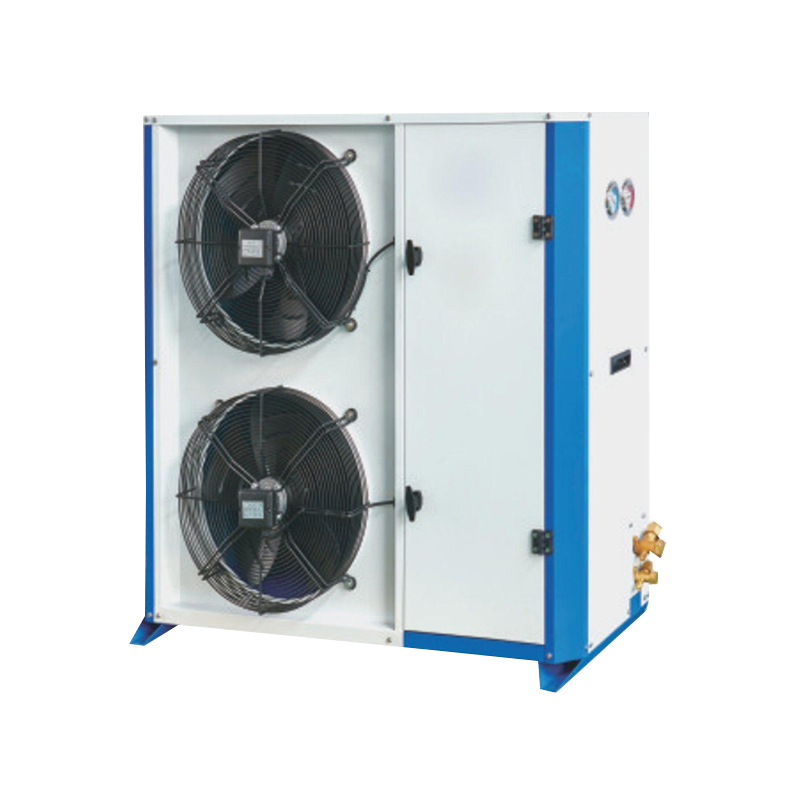
In the field of refrigeration and heat exchange, the question of which type of condenser is the most efficient is a major concern for many engineers and purchasers. Considering overall heat transfer efficiency, structural design, and aerodynamic performance, plate-type condensers (such as the CDF type), which combine high-efficiency aluminum finned heat exchange coils with internally grooved copper tubes, are considered one of the most efficient and stable options for small and medium-sized refrigeration and air conditioning systems. The core of its high efficiency lies in its excellent heat exchange surface area utilization and optimized airflow design.
A superior condenser is not simply a stack of metal pipes, but rather the culmination of precision engineering. Here are several key elements that contribute to improved condensation efficiency:
Content
1. High-efficiency aluminum fins and heat exchange coils
Modern high-efficiency condensers commonly utilize aluminum fin stamping technology. By stamping aluminum sheets into special "L"-shaped extended fins, the air contact area is significantly increased. During the manufacturing process, mechanical tube expansion ensures a tight fit between the copper tubes and aluminum fins. This highly compact structure maximizes heat exchange efficiency. At the same time, the inner wall of the copper tube remains clean and dry, reducing thermal resistance and ensuring smooth refrigerant circulation.
2. Excellent vibration resistance and corrosion resistance design
To maintain efficient operation in harsh environments, the condenser casing is usually coated, providing strong corrosion resistance. In addition, a multi-flange support design effectively reduces resonance during operation, improving the equipment's vibration resistance, thereby extending equipment life and reducing the risk of gas leakage due to vibration.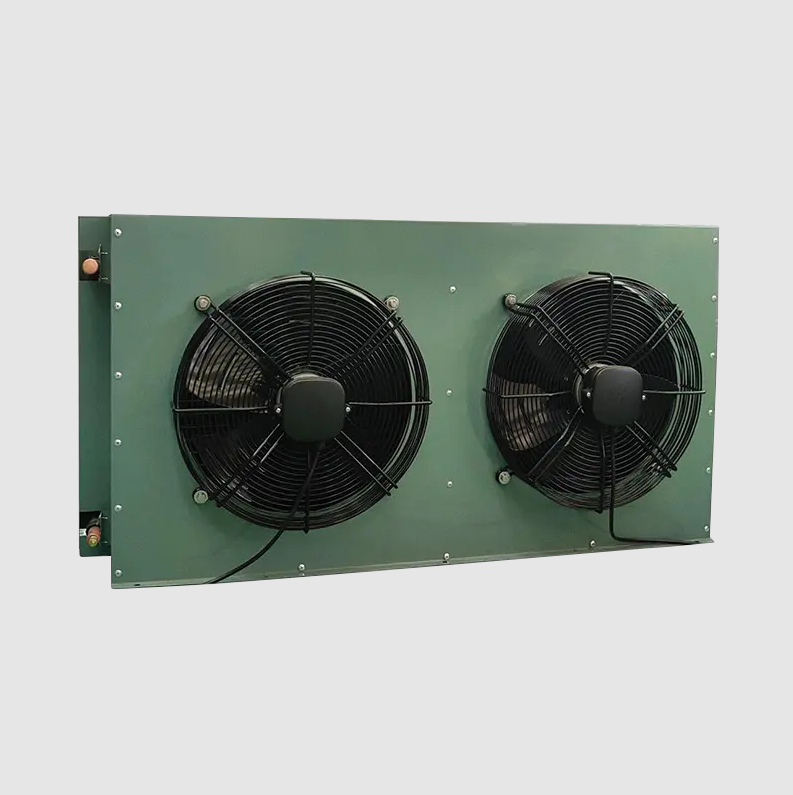
3. Power system: High-efficiency, low-noise axial fans
Heat exchange efficiency depends not only on the coil but also on the airflow. High-efficiency condensers are usually equipped with EBM or well-known domestic brand axial fans.
High airflow: Ensures stable condensation pressure within the ideal range.
Low energy consumption/low noise: While improving heat exchange efficiency, it meets modern industrial environmental protection and noise reduction standards.
Wide range of applications
Thanks to their excellent heat exchange performance, these condensers are widely used in the following areas:
Air conditioning systems: Heat dissipation for commercial and residential central air conditioning.
Refrigeration equipment: Cold storage, commercial supermarket cold chain, and industrial quick freezing.
Chemical processes: Cooling and medium condensation in production lines. Power plants: System auxiliary cooling and energy recovery.
Distillation equipment: Vapor condensation in rectification and purification processes.
How to choose the right condenser for you?
Although CDF-type plate condensers exhibit extremely high heat exchange efficiency in most conventional applications, actual operating conditions, such as ambient temperature, media corrosiveness, and installation space, should still be considered during selection. Choosing a product with high-quality aluminum fin technology and reliable power components is crucial to ensuring the energy efficiency ratio (COP) of the entire refrigeration system.
 +86-0574-88198229
 +86-17757487298
 Zhejiang Province, Ningbo City, Yinzhou District